

Description
Product details
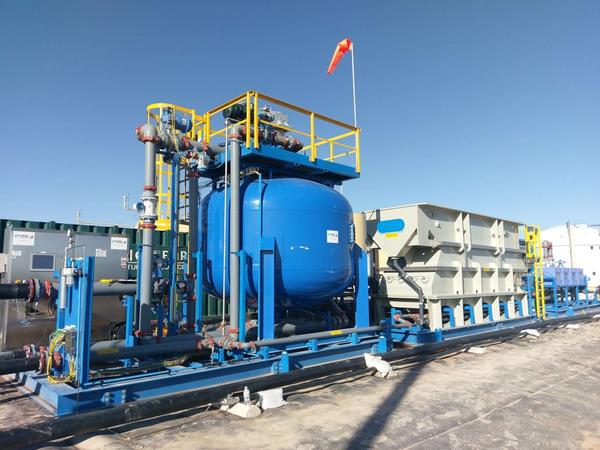
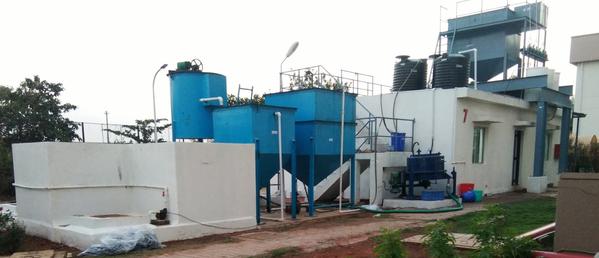
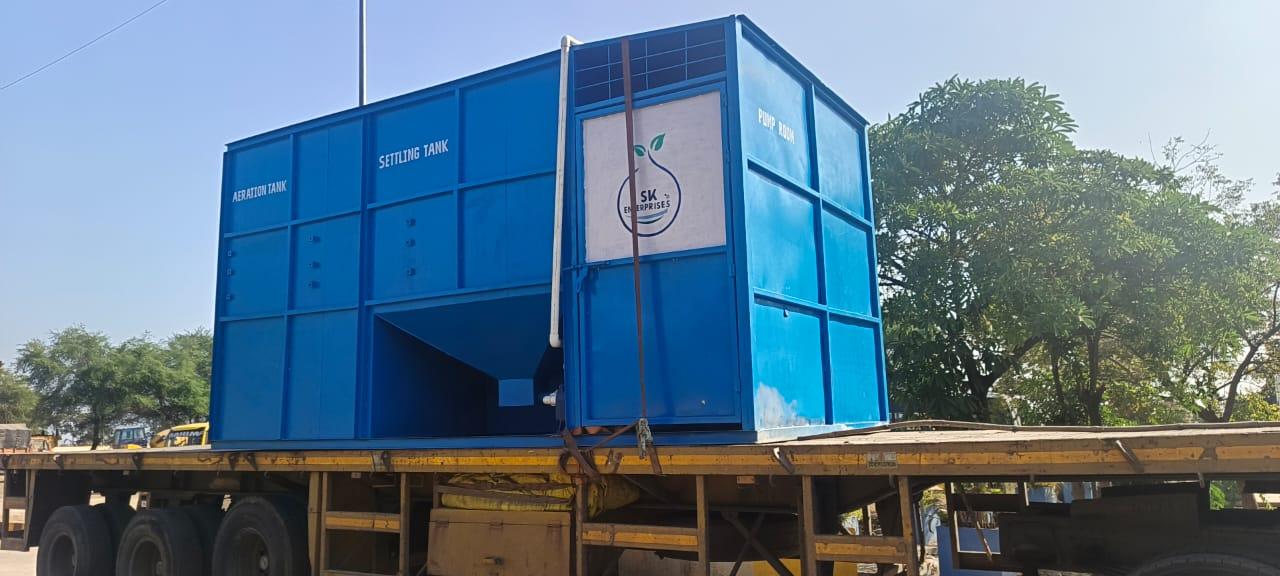
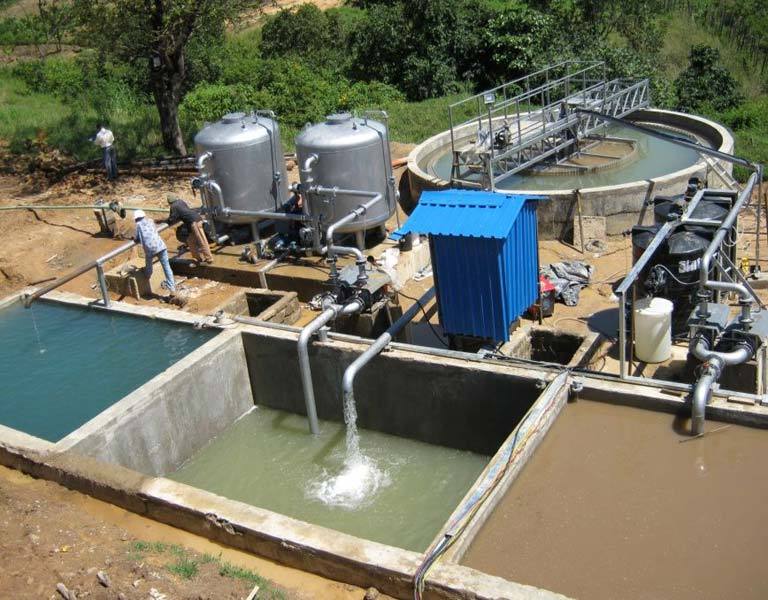
Effluent Treatment Plant (ETP) SK Enterprises offers innovative and effective Effluent Treatment Plant (ETP) solutions to manage industrial wastewater and ensure environmental compliance. An Effluent Treatment Plant (ETP) or Waste Water Treatment Plant (WWTP) is a unit plant where various physical, biological and chemical processes are used to change the properties of the waste water by removing harmful substances in order to turn it into hazard free water. An Effluent Treatment Plant (ETP) that treats industrial wastewater to remove contaminants and pollutants before discharge into the environment or for reuse. ETPs employ a combination of physical, chemical, and biological processes to purify the water, ensuring it meets environmental standards and minimizes harm to ecosystems. Key aspects of Effluent Treatment Plants: Purpose: ETPs are designed to treat wastewater generated by various industries, including textiles, pharmaceuticals, chemicals, and food processing, which can contain a wide range of pollutants. Treatment Processes: ETPs utilize a multi-stage treatment process, which may include: Preliminary Treatment: Removing large debris, grit, and other solids. Primary Treatment: Utilizing physical and chemical processes like coagulation and flocculation to remove suspended solids and some dissolved pollutants. Secondary Treatment: Employing biological processes, such as the activated sludge process, to break down organic matter using microorganisms. Tertiary Treatment: Implementing advanced filtration, disinfection, and other methods to remove remaining pollutants and pathogens. Sludge Handling: Collecting, treating (thickening, dewatering, digestion), and disposing of the solid by-product (sludge) in an environmentally responsible manner. Importance: ETPs are crucial for: Protecting water resources from contamination. Complying with environmental regulations and avoiding penalties. Enabling the safe reuse of treated water for non-potable purposes within the industry or for irrigation. Reducing the environmental impact of industrial wastewater discharge. Industry Applications: ETPs are widely used in various industries, including: -Textile -Chemical -Pharmaceutical -Food processing -Refineries -Dairy -Leather Our ETP Solutions: - Customized ETP design and installation - Advanced treatment technologies: physical, chemical, and biological processes - Effective removal of pollutants and contaminants: BOD, COD, TSS, pH, etc. - Compliance with environmental regulations: CPCB, MPCB, etc. - Regular maintenance and operation support Benefits of Our ETP Solutions: - Reduced environmental impact - Compliance with regulatory requirements - Cost savings through water reuse and recycling - Improved brand reputation and social responsibility - Enhanced employee safety and health