
OZONATION SYSTEM :
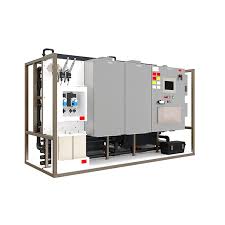
Ozonation is an advanced oxidation process (AOP) using ozone, which is a reactive gas with low solubility, usually generated on-site through dry air, or pure oxygen through high-voltage corona discharge. Once dissolved in water it undergoes complex decomposition and oxidation reactions. Ozone is widely applied to water treatment as an oxidizing agent. The main effects of ozonation are decolorization, elimination of taste and odors, degradation of organics and disinfection.
Ozonation System – Overview
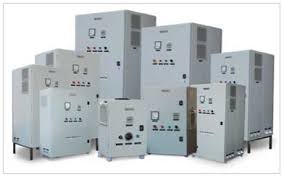
An ozonation system is an advanced oxidation process that uses ozone (O₃) – a powerful oxidizing agent – to disinfect and purify water and wastewater. Ozone is generated on-site from oxygen or air using an ozone generator, and then injected into the water to break down organic and inorganic contaminants.
Key Features of an Ozonation System:
Disinfection: Effectively kills bacteria, viruses, and other pathogens without leaving harmful residues.
Oxidation: Breaks down color, odor, and complex organic compounds (like pesticides or pharmaceuticals).
Advanced Treatment: Often used as a tertiary treatment after biological or chemical processes for high-quality effluent.
Environmentally Friendly: Decomposes back to oxygen, leaving no chemical byproducts.
Common Applications:
Drinking water treatment
Sewage and industrial wastewater treatment
Cooling tower water treatment
Food and beverage processing
Pharmaceutical and electronics-grade water systems
Ozonation systems are valued for their high efficiency, chemical-free operation, and broad-spectrum disinfection capabilities. They are often integrated with other treatment systems for optimal performance and regulatory compliance.