Nagpur
08042757117
+919405982683
SEWAGE TREATMENT PLANT by S K ENTERPRISES

MBBR STP PLANT

Phone Number

08042757117

Please keep 0 before dialling the number.

Mon-Thu: 10 AM - 2 PM • Fri: 3 PM - 7AM

Other Website Visit our other website
Address Plot no 125, sudarshan colony, New Subhedar Layout, lay out,

Nagpur, India, 440024

Description

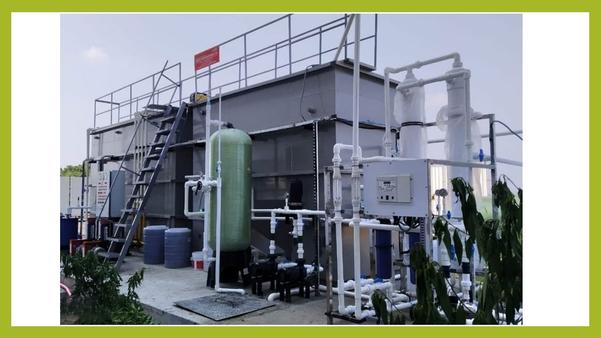
An MBBR STP is a Moving Bed Biofilm Reactor (MBBR) based Sewage Treatment Plant. This system uses a biological wastewater treatment process where microorganisms, which break down pollutants, grow on free-floating plastic carriers called bio-media. How an MBBR STP works Pre-treatment: Before entering the MBBR tank, wastewater goes through pre-treatment steps like screening and grit removal to protect downstream equipment. MBBR biological treatment: Wastewater flows into an aeration tank filled with thousands of small, free-floating plastic media. An aeration grid supplies oxygen, which keeps the media in constant motion and provides oxygen for microbial growth. Biofilm activity: Microorganisms attach to the surface of the bio-media and form a biofilm. This dense biofilm breaks down organic matter and other pollutants in the wastewater. Clarification: After biological treatment, the water passes through a clarifier or settling tank. Retention screens at the tank outlet prevent the carrier media from leaving while allowing the treated water to pass. Any remaining solids are removed during this stage. Disinfection: The final effluent may undergo additional polishing or disinfection before being discharged or reused. Key components Aeration tank/reactor: The primary basin where the biological treatment takes place and the carriers are suspended. Bio-carrier media: Small, specifically designed plastic carriers, usually made from high-density polyethylene (HDPE), that provide a large surface area for biofilm growth. Aeration system: Fine or coarse bubble diffusers supply oxygen to the microbes and keep the carriers moving within the tank. Retention screens: Screens at the tank's outlet prevent the carrier media from escaping while allowing treated water to pass. Clarifier: A tank for settling and removing any residual suspended solids after biological treatment.

Specifications

Compact footprint : MBBR systems require significantly less space than conventional activated sludge plants due to the large surface area provided by the bio-media.
Low maintenance The process does not require sludge recycling or backwashing, making it mostly self-moderating and requiring less operational attention.
Resilient to shock loads The resilient biofilm makes the system better at handling variable loads and sudden increases in organic matter.
High Efficiency The dense, robust biofilm allows for a more efficient breakdown of pollutants, even with fluctuating or high loads.

Other Products

view all

6814772a5d263414004dd4a4 Card 2

product image
ADVANCE TREATMENT

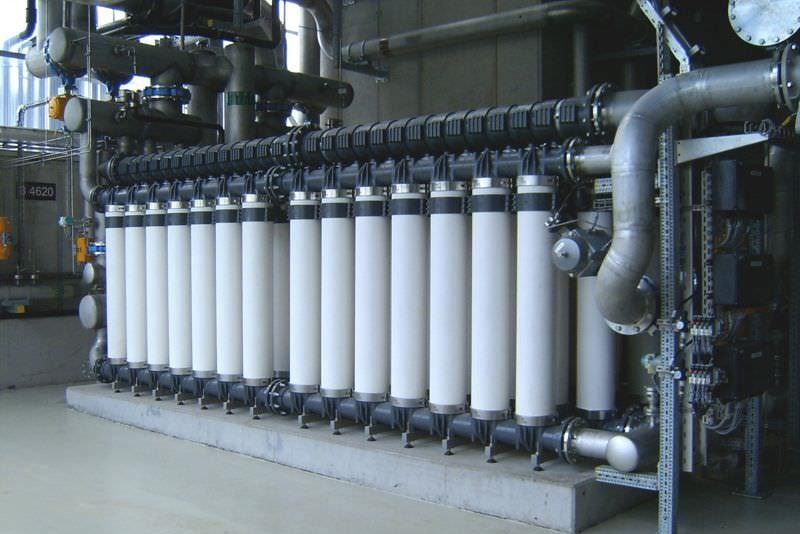
An Ultrafiltration (UF) plant process is a pressure-driven, membrane-based separation technique (pore sizes 0.01–0.1 microns) that removes suspended solids, bacteria, and viruses from water. It involves pre-treatment, pressure-driven filtration, permeate collection, and periodic backwashing to maintain membrane efficiency without chemical additives. Key Stages of the UF Plant Process Pre-Treatment: Raw water is passed through filters to remove large debris and sediments that could damage or clog the membrane. Filtration Process (Separation): Under pressure, the water is forced through hollow fiber or flat sheet membranes. Suspended solids, pathogens, and macromolecules are trapped on the membrane surface (retentate), while clean water (permeate) passes through. Permeate Collection: The purified, bacteria-free water is collected for consumption or further treatment (like RO pre-treatment). Backwashing and Cleaning: To prevent membrane fouling, the system periodically reverses the flow (backwash) or uses air scouring to flush out trapped contaminants. Key Features and Applications Operating Principle: Mechanical sieving using low-pressure, high-efficiency membranes. Advantages: High removal efficiency, compact design, and environmentally friendly, often used for water recycling and, in the food/beverage industry. Membrane Types: Commonly uses hollow fiber membranes for high-volume filtration and resistance to fouling.
6814772a5d263414004dd4a4 Card 2

product image
SEWAGE TREATMENT PLANT

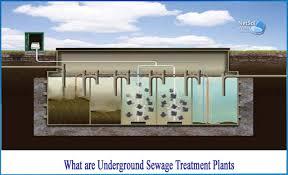
An Underground Sewage Treatment Plant (USTP) is a compact sewage treatment system designed to be installed underground, offering a space-saving solution for managing wastewater in areas where above-ground space is limited. An Underground Sewage Treatment Plant (USTP) is a hidden, compact system that treats wastewater beneath the ground, saving valuable surface land for other uses like parks or buildings, controlling odors, and allowing treated water reuse for irrigation or flushing. These facilities use similar biological/chemical processes (like MBBR, SBR, FAB) as traditional plants but in sealed, underground tanks, often featuring automation, reduced sludge, and lower power needs, making them ideal for urban areas, complexes, and resorts. Space Saving: Frees up land for green spaces, parking, or buildings. Odor Control: Enclosed systems prevent foul smells. Aesthetics: Maintains natural landscapes and urban appearance. Water Conservation: Treated water can be recycled. Environmentally Friendly: Discreet handling of waste, minimal discharge. Automation: Often fully automated with monitoring. Applications Apartment complexes, Commercial buildings & offices, Hotels & resorts, Hospitals, and Small communities. Design Often uses a double-layer underground design: one for treatment tanks (pool layer) and one for operations/management. Can be built under gardens, parking lots, or even buildings.

6814772a5d263414004dd4a4 Card 2

product image
SEWAGE TREATMENT PLANT

A commercial sewage treatment plant (STP) treats wastewater from businesses, industries, and commercial buildings to meet environmental regulations and protect public health. These systems handle high volumes of effluent from sources like hotels, factories, and shopping malls, processing it through various stages of primary, secondary, and tertiary treatment before safe discharge. Key components include buffer tanks, clarifiers, and advanced technologies like the activated sludge process to remove pollutants effectively. A commercial sewage treatment plant (STP) is an industrial-scale facility designed to treat wastewater from non-residential buildings like hotels, hospitals, shopping malls, and office complexes. These systems ensure compliance with environmental regulations and allow for the reuse of treated water for non-potable purposes like landscaping and flushing. Core Treatment Technologies Commercial facilities typically employ one of several specialized biological treatment methods: MBBR (Moving Bed Biofilm Reactor): A compact, low-maintenance system using plastic media to grow bacteria that break down pollutants. It is ideal for facilities with limited space. SBR (Sequential Batch Reactor): Processes wastewater in timed batches within a single tank. It is highly flexible for commercial sites with fluctuating occupancy, such as resorts. MBR (Membrane Bioreactor): Combines biological treatment with membrane filtration. It produces the highest quality water, suitable for direct reuse in cooling towers and HVAC systems. ASP (Activated Sludge Process): A traditional, effective method for large stable loads, though it generally requires more land and continuous monitoring. Key Features & Benefits Water Recycling: Modern plants can recover up to 85% of wastewater, significantly reducing municipal water bills. Compact & Modular: Many systems are “Plug & Play” containerized units or designed for underground installation to save valuable urban land. Automation: Integrated smart controls and IoT sensors allow for remote monitoring and minimal manual intervention. Odor & Noise Control: Advanced filtration and acoustic enclosures ensure the plant does not disturb guests or employees.