Currently it only shows your basic business info. Start adding relevant business details such as description, images and products or services to gain your customers attention by using Boost 360
android app
/
iOS App/ web portal.
{
"products": [
{
"_id": "66c05bf00c4fad2294e39139",
"fptag": "SKENTERPRISESNAGPUR",
"merchantname": null,
"customwidgets": null,
"externalsourceid": null,
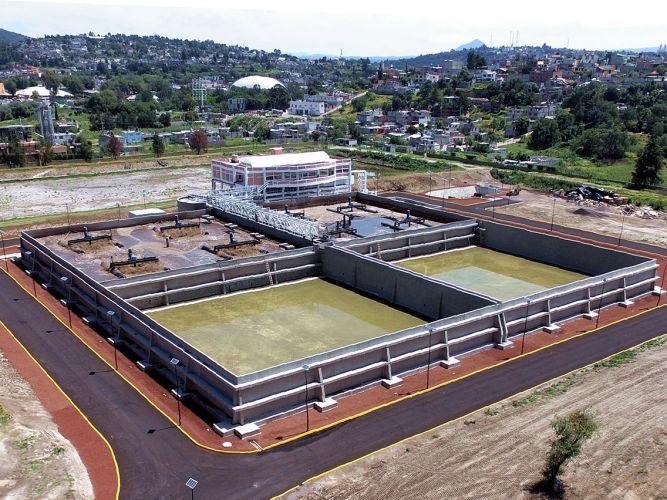
"name": "SEQUENCING BATCH REACTOR (SBR) for wastewater treatment",
"description": " The sequencing batch reactor (SBR) is a fill-and- draw activated sludge system for wastewater treatment. In this system, wastewater is added to a single “batch” reactor, treated to remove undesirable components.\n\nA Sequencing Batch Reactor (SBR) is a type of activated sludge wastewater treatment system that utilizes a fill-and-draw process where all stages of treatment occur sequentially in a single tank. Unlike conventional continuous flow systems that require separate tanks for each process (e.g., equalization, aeration, clarification), SBRs integrate these stages into a single reactor operated in a timed sequence. \n\n\nHow SBR wastewater treatment works\n\nThe SBR treatment cycle typically consists of five sequential phases: \n\nFill: Wastewater is pumped into the SBR tank, where it mixes with the activated sludge (biomass) from the previous cycle.\n\nReact: Air is supplied to the tank via an aeration system, providing oxygen for the microorganisms to break down organic pollutants (BOD, ammonia, nitrogen).\n\nSettle: Aeration stops, allowing the activated sludge to settle at the bottom of the tank due to gravity, leaving clear, treated water above.\n\nDecant: The clear, treated water (supernatant) is removed from the tank without disturbing the settled sludge.\n\nIdle: This is a waiting period before the next fill phase, during which excess sludge can be removed. \n\n\nAdvantages of SBR wastewater treatment\n\nCompact Footprint: SBRs require less space compared to conventional systems as all treatment stages happen in a single tank, making them suitable for areas with limited land availability.\n\nOperational Flexibility: SBRs are adaptable to varying flow rates and organic loads, making them suitable for industrial and municipal applications with fluctuating wastewater characteristics.\n\nHigh Treatment Efficiency: SBRs can achieve high removal efficiencies for organic matter, nitrogen, and phosphorus due to the controlled aeration and anoxic/anaerobic cycles.\n\nNutrient Removal: SBRs can effectively remove nitrogen and phosphorus without the need for chemical addition, promoting biological nutrient removal (BNR).\n\nReduced Odor: Aerobic conditions throughout much of the cycle minimize odor generation compared to anaerobic systems.\n\nAutomated Operation: Modern SBR systems are highly automated, reducing the need for constant manual oversight.\n\nPotential for Water Reuse: The high-quality effluent produced by SBRs can be suitable for various reuse applications after further disinfection and filtration. \n\n\nApplications of SBR wastewater treatment\n\nSBR technology is used in various municipal and industrial wastewater treatment settings, including: \n\nSmall to medium-sized municipal plants\n\nIndustrial applications such as food processing, pharmaceuticals, and chemical manufacturing\n\nRemote or decentralized facilities\n\nUpgrading existing plants \n\n\nAdvanced SBR systems like the Hybrid Granular SBR (GST) can improve efficiency using bio-beads that help retain biomass, leading to better removal of organic carbon, nitrogen, and phosphorus. GST systems also reduce the need for certain equipment, resulting in a smaller size and lower costs.",
"price": 0.0,
"discountamount": 0.0,
"currencycode": "INR",
"priority": 1000000,
"isfreeshipmentavailable": false,
"shipmentduration": 7,
"_keywords": [
"wastewater treatment",
"undesirable components",
"single “batch” reactor",
"activated sludge system",
"sequencing batch reactor"
],
"isarchived": false,
"isavailable": true,
"applicationid": null,
"productindex": 7,
"imageuri": "https://productimages.withfloats.com/actual/66c05c0fa00c6022283a9c9f.jpeg",
"tileimageuri": "https://productimages.withfloats.com/tile/66c05c0fa00c6022283a9c9f.jpeg",
"images": null,
"totalqueries": 0,
"gpid": null,
"groupproductid": null,
"createdon": "2024-08-17T08:14:40.317Z",
"updatedon": "2025-08-23T07:17:42.722Z",
"buyonlinelink": null,
"producturl": "http://WWW.THESKTECH.COM/products/sequencing-batch-reactor-sbr-for-wastewater-treatment/7",
"availableunits": -1.0,
"iscodavailable": false,
"isprepaidonlineavailable": false,
"maxcodorders": 0,
"maxprepaidonlineorders": 0,
"uniquepaymenturl": null,
"brandname": "",
"category": "WASTE WATER TREATMENT",
"tags": [],
"variants": false,
"keyspecification": null,
"otherspecifications": null,
"pickupaddressreferenceid": "",
"paymenttype": "None",
"producttype": "products",
"hsncode": null,
"gstslab": 0.001,
"isnotforsale": false
},
{
"_id": "66c0597179b12823c8db4c78",
"fptag": "SKENTERPRISESNAGPUR",
"merchantname": null,
"customwidgets": null,
"externalsourceid": null,
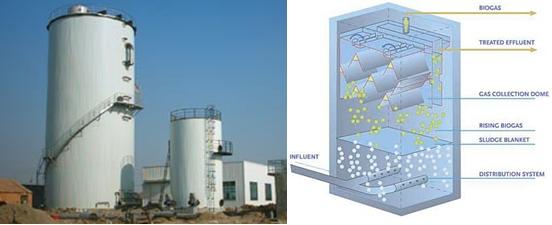
"name": "UPFLOW ANAEROBIC SLUDGE BLANKET REACTOR UASBR",
"description": "An upflow anaerobic sludge blanket (UASB) reactor is a type of anaerobic digester used for wastewater treatment, particularly for high-strength industrial wastewater. It's a single-tank process where wastewater flows upwards through a suspended blanket of granular sludge, breaking down organic pollutants and producing biogas. This technology is known for its efficiency in removing organic matter and its ability to produce usable biogas. \n\n\n\nHow it works\n\nWastewater inflow: Raw wastewater enters the reactor from the bottom.\n\nSludge blanket contact: It flows upward through a dense blanket of granular sludge (microbial aggregates).\n\nAnaerobic degradation: Anaerobic microorganisms within the sludge blanket break down organic pollutants in the wastewater through anaerobic digestion.\n\nBiogas production: This process generates biogas, primarily methane and carbon dioxide, which bubbles upward, providing mixing and contributing to energy recovery potential.\n\nPhase separation: A gas-liquid-solid separator at the top of the reactor separates the treated liquid effluent, biogas, and sludge particles, returning the sludge to the digestion compartment.\n\nEffluent discharge/post-treatment: The treated effluent, with significantly reduced organic load (BOD and COD), can then be discharged or undergo further treatment for removal of nutrients (nitrogen and phosphorus) and pathogens. \n\n\nAdvantages\n\nHigh organic loading capacity: Capable of effectively treating wastewater with high organic loads.\n\nEnergy generation: Produces biogas (methane) as a renewable energy source that can be captured and utilized.\n\nLow sludge production: Generates a smaller quantity of stabilized sludge compared to aerobic systems, reducing sludge handling and disposal costs.\n\nLow energy requirements: Operates without the need for energy-intensive aeration systems common in aerobic treatments.\n\nLow land requirements: Compact design compared to conventional systems.\nRelatively simple design and operation.\n\n\nApplications\n\nUASB reactors are particularly well-suited for treating:\n\nIndustrial wastewater: Examples include wastewater from industries like breweries, distilleries, food processing, pulp and paper, and tanneries, as well as agricultural wastes.\n\nHigh-strength wastewaters with high carbohydrate content. ",
"price": 0.0,
"discountamount": 0.0,
"currencycode": "INR",
"priority": 1000000,
"isfreeshipmentavailable": false,
"shipmentduration": 7,
"_keywords": [
"granular sludge",
"The UASB reactor",
"anaerobic process",
"anaerobic digester",
"wastewater treatment",
"methanogenic digester",
"anaerobic clarigester",
"anaerobic microorganisms",
"Upflow anaerobic sludge blanket technology"
],
"isarchived": false,
"isavailable": true,
"applicationid": null,
"productindex": 6,
"imageuri": "https://productimages.withfloats.com/actual/66c0599a207503a4e6c3f118.jpg",
"tileimageuri": "https://productimages.withfloats.com/tile/66c0599a207503a4e6c3f118.jpg",
"images": null,
"totalqueries": 0,
"gpid": null,
"groupproductid": null,
"createdon": "2024-08-17T08:04:01.18Z",
"updatedon": "2025-08-23T07:20:31.749Z",
"buyonlinelink": null,
"producturl": "http://WWW.THESKTECH.COM/products/upflow-anaerobic-sludge-blanket-reactor-uasbr/6",
"availableunits": -1.0,
"iscodavailable": false,
"isprepaidonlineavailable": false,
"maxcodorders": 0,
"maxprepaidonlineorders": 0,
"uniquepaymenturl": null,
"brandname": "S K ENTERPRISES",
"category": "WASTE WATER TREATMENT",
"tags": [],
"variants": false,
"keyspecification": null,
"otherspecifications": null,
"pickupaddressreferenceid": "",
"paymenttype": "None",
"producttype": "products",
"hsncode": null,
"gstslab": 0.001,
"isnotforsale": false
},
{
"_id": "68c28703f319c672322926fe",
"fptag": "SKENTERPRISESNAGPUR",
"merchantname": null,
"customwidgets": null,
"externalsourceid": null,
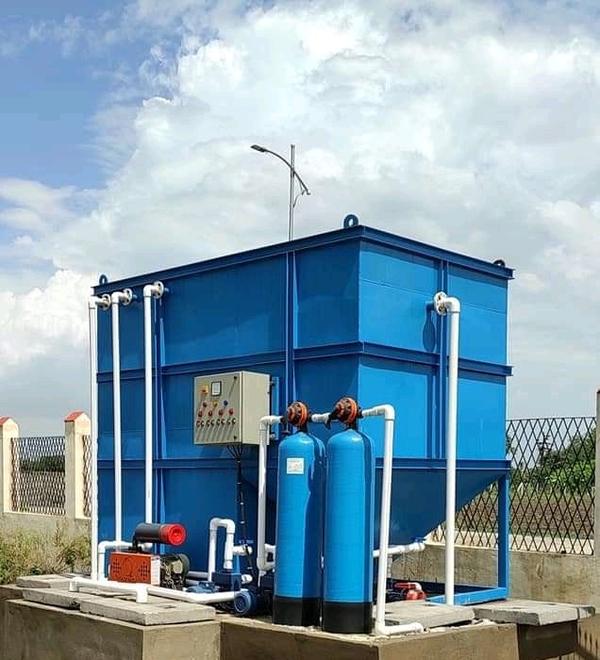
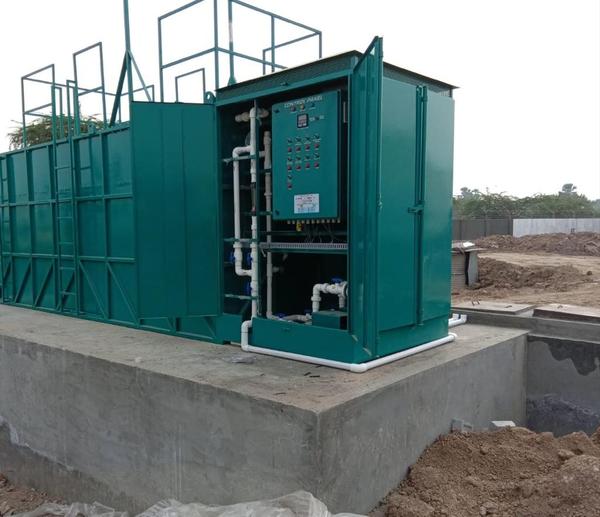
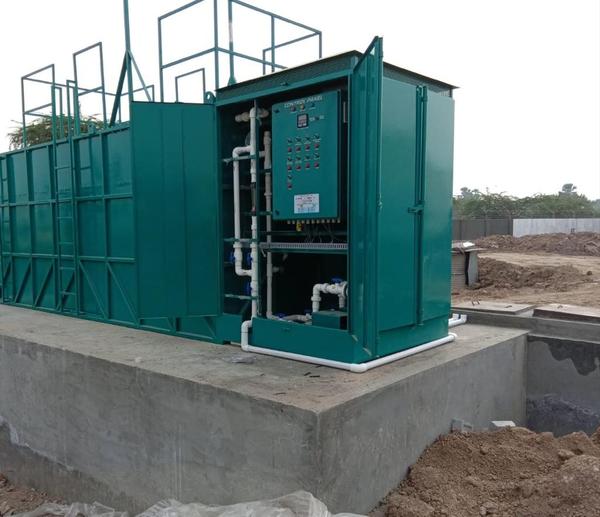
"name": "PACKAGE STP PLANT",
"description": "A packaged sewage treatment plant (PSTP) is a compact, pre-engineered, and self-contained system designed to treat wastewater from domestic or industrial sources. It arrives pre-assembled and ready for installation, offering an efficient and more space-saving alternative to large, conventional treatment facilities. \n\n\nAdvantages\nPackaged STPs are a modern wastewater management solution with many key benefits: \n\nCompact design: Their small footprint makes them suitable for sites with limited space, such as residential complexes, hotels, and schools.\n\nRapid and easy installation: Since units are pre-fabricated and delivered ready-to-use, they can be installed and commissioned much faster than traditional plants.\n\nCost-effectiveness: PSTPs often have lower installation, operational, and maintenance costs due to their factory-built nature and advanced automated controls.\n\nHigh efficiency: Many modern systems are designed for high treatment efficiency, often using a combination of anaerobic and aerobic processes to produce a high-quality effluent.\n\nEnvironmental compliance: They help property owners and businesses meet strict environmental regulations and prevent the pollution of water bodies.\n\nWater reuse: The treated water can often be reused for non-potable purposes like landscaping, flushing, or industrial processes, promoting water conservation.\n\nScalability: Their modular design allows for easy expansion or modification to accommodate increased wastewater volume in the future. \n\n\nCommon applications\nPSTPs are a versatile solution for a wide range of decentralized wastewater needs: \n\n-Residential complexes, townships, and housing societies\n-Commercial buildings, hotels, and resorts\n-Hospitals, schools, and other institutions\n-Small-to-medium-scale industrial facilities\n-Remote locations like villages, construction sites, and military bases\n-Temporary installations for events or camps\n-On-site treatment for properties not connected to a municipal sewer system",
"price": 0.0,
"discountamount": 0.0,
"currencycode": "INR",
"priority": 1000000,
"isfreeshipmentavailable": false,
"shipmentduration": 1,
"_keywords": null,
"isarchived": false,
"isavailable": true,
"applicationid": null,
"productindex": 12,
"imageuri": "https://productimages.withfloats.com/actual/68c288856857c42be18c036e.jpg",
"tileimageuri": "https://productimages.withfloats.com/tile/68c288856857c42be18c036e.jpg",
"images": null,
"totalqueries": 0,
"gpid": null,
"groupproductid": null,
"createdon": "2025-09-11T08:23:31.473Z",
"updatedon": "2025-09-11T08:29:54.921Z",
"buyonlinelink": null,
"producturl": "http://WWW.THESKTECH.COM/products/package-stp-plant/12",
"availableunits": -1.0,
"iscodavailable": false,
"isprepaidonlineavailable": false,
"maxcodorders": 0,
"maxprepaidonlineorders": 0,
"uniquepaymenturl": null,
"brandname": "S K ENTERPRISES",
"category": "SEWAGE TREATMENT PLANT",
"tags": [],
"variants": false,
"keyspecification": null,
"otherspecifications": null,
"pickupaddressreferenceid": null,
"paymenttype": "None",
"producttype": "products",
"hsncode": null,
"gstslab": 0.001,
"isnotforsale": false
},
{
"_id": "68c27a996c00c0e370e7d88b",
"fptag": "SKENTERPRISESNAGPUR",
"merchantname": null,
"customwidgets": null,
"externalsourceid": null,
"name": "MEMBRANE BIO-REACTOR (MBR) STP PLANT",
"description": "An MBR STP plant is a Sewage Treatment Plant that uses Membrane Bioreactor (MBR) technology to combine biological treatment with membrane filtration, producing high-quality, reusable treated water. The process involves microorganisms breaking down waste in a bioreactor and then passing the mixture through microfiltration or ultrafiltration membranes, which physically block suspended solids, bacteria, and pathogens, leaving behind clean water. MBR STPs are known for their compact design, ability to treat challenging wastewater, and production of high-quality effluent suitable for sensitive discharge or reuse applications.\n\n\n\nKey advantages of MBR technology\n\nSuperior effluent quality: The membrane filtration produces very clean, clear, and virtually pathogen-free water that meets stringent environmental discharge standards. This high-quality water is also ideal for reuse in non-potable applications like irrigation, toilet flushing, and cooling towers.\n\nReduced footprint: MBR plants are significantly more compact, requiring 50–70% less space than conventional STPs because they eliminate the need for large, secondary clarifier tanks. This makes them ideal for urban areas with limited space.\n\nLess sludge production: Due to the system's long sludge retention time, MBRs generate less excess sludge, which reduces disposal costs and handling requirements.\n\nModular and scalable design: The plants are modular, allowing for easy expansion as treatment capacity needs increase.\n\nAutomated operation: Advanced automation and monitoring reduce the need for constant on-site operator supervision, which lowers labor costs and ensures consistent performance. ",
"price": 0.0,
"discountamount": 0.0,
"currencycode": "INR",
"priority": 1000000,
"isfreeshipmentavailable": false,
"shipmentduration": 1,
"_keywords": null,
"isarchived": false,
"isavailable": true,
"applicationid": null,
"productindex": 11,
"imageuri": "https://productimages.withfloats.com/actual/68c283eccd54c00991cbb094.jpg",
"tileimageuri": "https://productimages.withfloats.com/tile/68c283eccd54c00991cbb094.jpg",
"images": null,
"totalqueries": 0,
"gpid": null,
"groupproductid": null,
"createdon": "2025-09-11T07:30:33.711Z",
"updatedon": "2025-09-11T08:10:19.29Z",
"buyonlinelink": null,
"producturl": "http://WWW.THESKTECH.COM/products/membrane-bio-reactor-mbr-stp-plant/11",
"availableunits": -1.0,
"iscodavailable": false,
"isprepaidonlineavailable": false,
"maxcodorders": 0,
"maxprepaidonlineorders": 0,
"uniquepaymenturl": null,
"brandname": "S K ENTERPRISES",
"category": "SEWAGE TREATMENT PLANT",
"tags": [],
"variants": false,
"keyspecification": null,
"otherspecifications": null,
"pickupaddressreferenceid": null,
"paymenttype": "None",
"producttype": "products",
"hsncode": null,
"gstslab": 0.001,
"isnotforsale": false
},
{
"_id": "68c26d87180fe7badcd60941",
"fptag": "SKENTERPRISESNAGPUR",
"merchantname": null,
"customwidgets": null,
"externalsourceid": null,
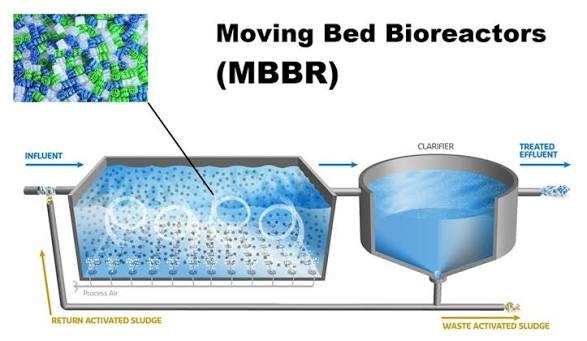
"name": "MBBR STP PLANT",
"description": "An MBBR STP is a Moving Bed Biofilm Reactor (MBBR) based Sewage Treatment Plant. This system uses a biological wastewater treatment process where microorganisms, which break down pollutants, grow on free-floating plastic carriers called bio-media.\n\n\nHow an MBBR STP works\n\nPre-treatment: Before entering the MBBR tank, wastewater goes through pre-treatment steps like screening and grit removal to protect downstream equipment.\n\nMBBR biological treatment: Wastewater flows into an aeration tank filled with thousands of small, free-floating plastic media. An aeration grid supplies oxygen, which keeps the media in constant motion and provides oxygen for microbial growth.\n\nBiofilm activity: Microorganisms attach to the surface of the bio-media and form a biofilm. This dense biofilm breaks down organic matter and other pollutants in the wastewater.\n\nClarification: After biological treatment, the water passes through a clarifier or settling tank. Retention screens at the tank outlet prevent the carrier media from leaving while allowing the treated water to pass. Any remaining solids are removed during this stage.\n\nDisinfection: The final effluent may undergo additional polishing or disinfection before being discharged or reused. \n\n\n\nKey components\nAeration tank/reactor: The primary basin where the biological treatment takes place and the carriers are suspended.\n\nBio-carrier media: Small, specifically designed plastic carriers, usually made from high-density polyethylene (HDPE), that provide a large surface area for biofilm growth.\n\nAeration system: Fine or coarse bubble diffusers supply oxygen to the microbes and keep the carriers moving within the tank.\n\nRetention screens: Screens at the tank's outlet prevent the carrier media from escaping while allowing treated water to pass.\n\nClarifier: A tank for settling and removing any residual suspended solids after biological treatment. ",
"price": 0.0,
"discountamount": 0.0,
"currencycode": "INR",
"priority": 1000000,
"isfreeshipmentavailable": false,
"shipmentduration": 1,
"_keywords": null,
"isarchived": false,
"isavailable": true,
"applicationid": null,
"productindex": 10,
"imageuri": "https://productimages.withfloats.com/actual/68c26f7074108c520af0bcd2.jpg",
"tileimageuri": "https://productimages.withfloats.com/tile/68c26f7074108c520af0bcd2.jpg",
"images": null,
"totalqueries": 0,
"gpid": null,
"groupproductid": null,
"createdon": "2025-09-11T06:34:47.732Z",
"updatedon": "2025-09-11T08:11:00.487Z",
"buyonlinelink": null,
"producturl": "http://WWW.THESKTECH.COM/products/mbbr-stp-plant/10",
"availableunits": -1.0,
"iscodavailable": false,
"isprepaidonlineavailable": false,
"maxcodorders": 0,
"maxprepaidonlineorders": 0,
"uniquepaymenturl": null,
"brandname": "S K ENTERPRISES",
"category": "SEWAGE TREATMENT PLANT",
"tags": [],
"variants": false,
"keyspecification": null,
"otherspecifications": null,
"pickupaddressreferenceid": null,
"paymenttype": "None",
"producttype": "products",
"hsncode": null,
"gstslab": 0.001,
"isnotforsale": false
},
{
"_id": "66c35889b01a4315d4d9fd30",
"fptag": "SKENTERPRISESNAGPUR",
"merchantname": null,
"customwidgets": null,
"externalsourceid": null,
"name": "OZONATION SYSTEM",
"description": "Ozone is a very strong oxidant and virucide. The mechanisms of disinfection using ozone include: Direct oxidation/destruction of the cell wall with leakage of cellular constituents outside of the cell. Reactions with radical by-products of ozone decomposition.\n\nOzonation in wastewater treatment is an advanced oxidation process that utilizes ozone (O3) to disinfect and remove contaminants from wastewater. It's a powerful method for eliminating bacteria, viruses, and other pathogens, as well as oxidizing organic and inorganic substances that cause taste, odor, and color issues. Ozonation can be used as a standalone treatment or in combination with other methods like reverse osmosis or catalytic ozonation for enhanced purification. \n\n\n\nHow it works\n\nOzone Generation: Ozone is typically generated on-site at the wastewater treatment plant, often using a corona discharge method. This involves passing dry air or oxygen through a high-voltage electrical field, which converts stable oxygen molecules into ozone.\n\nOzone Diffusion: The generated ozone gas is then diffused into the wastewater, creating numerous tiny bubbles. This maximizes the contact area between the ozone and the contaminants in the water, facilitating the oxidation process.\n\nOxidation and Disinfection: Ozone, being a strong oxidizing agent, reacts with organic and inorganic pollutants in the wastewater. This process breaks down contaminants into simpler, less harmful substances like carbon dioxide and water. Ozone also effectively destroys microorganisms by damaging their cell walls and membranes, acting as a powerful disinfectant. \n\nApplications in wastewater treatment\n\nOzonation finds application in various stages and aspects of wastewater treatment:\n\nDisinfection: It effectively inactivates a wide range of pathogens including bacteria, viruses, and protozoa, reducing the risk of waterborne diseases.\n\nRemoval of Organic Pollutants: Ozone breaks down a wide array of organic compounds like pesticides, pharmaceuticals, and industrial chemicals that might be difficult to remove using conventional methods.\n\nColor and Odor Removal: Ozonation eliminates unpleasant tastes, odors, and discoloration often caused by natural organic matter, according to Journal of Industrial Pollution Control.\n\nSludge Reduction and Dewatering: Ozonation can destroy filamentous bacteria that make sludge difficult to dewater, potentially reducing sludge volume and improving its handling characteristics.\n\nEnhanced Biological Treatment: Ozone can improve the efficiency of subsequent biological treatment processes by increasing the biodegradability of organic matter.\n\nRemoval of Heavy Metals and other Inorganic Pollutants: Ozone oxidizes heavy metals like iron and manganese into insoluble forms that can be easily removed by filtration. \n\n\nBenefits\n\nHigh Effectiveness: Ozonation effectively removes a broad spectrum of pollutants and disinfects wastewater.\n\nNo Harmful Byproducts: Unlike some other disinfectants like chlorine, ozone decomposes rapidly into oxygen, leaving no toxic residuals in the treated water.\n\nEnhanced Water Quality: It improves the aesthetic qualities of the water by removing color and odor.\nRapid Treatment: Ozonation typically requires shorter contact times compared to other disinfection methods.\n\nEco-friendly: Ozonation is considered a environmentally sound treatment option as it reduces the release of pollutants into the environment.\n\nFuture of ozonation in wastewater treatment:\n\nOngoing research focuses on improving the efficiency and cost-effectiveness of ozonation in wastewater treatment through:\nDeveloping more efficient ozone generation technologies.\n\nOptimizing ozone diffusion and contact methods.\n\nCombining ozonation with other advanced treatment processes (e.g., Ozonation/Biological Treatment, Ozonation/Activated Carbon) to enhance overall contaminant removal and overcome the limitations of individual processes.\n\nExploring catalytic ozonation for increased efficiency and reduced cost. \n\n\nIn conclusion, ozonation offers a promising approach to improve wastewater treatment by providing effective disinfection, reducing a variety of pollutants, and contributing to the production of high-quality treated water that can potentially be reused or safely discharged into the environment.",
"price": 0.0,
"discountamount": 0.0,
"currencycode": "INR",
"priority": 1000000,
"isfreeshipmentavailable": false,
"shipmentduration": 7,
"_keywords": [
"cell wall",
"strong oxidant",
"OZONATION SYSTEM",
"ozone decomposition",
"radical by-products",
"cellular constituents",
"Direct oxidation/destruction"
],
"isarchived": false,
"isavailable": true,
"applicationid": null,
"productindex": 9,
"imageuri": "https://productimages.withfloats.com/actual/66c358c32349b6f1c813adfe.jpg",
"tileimageuri": "https://productimages.withfloats.com/tile/66c358c32349b6f1c813adfe.jpg",
"images": null,
"totalqueries": 0,
"gpid": null,
"groupproductid": null,
"createdon": "2024-08-19T14:36:57.435Z",
"updatedon": "2025-08-21T06:45:54.881Z",
"buyonlinelink": null,
"producturl": "http://WWW.THESKTECH.COM/products/ozonation-system/9",
"availableunits": -1.0,
"iscodavailable": false,
"isprepaidonlineavailable": false,
"maxcodorders": 0,
"maxprepaidonlineorders": 0,
"uniquepaymenturl": null,
"brandname": "",
"category": "DISINFECTION SYSTEM",
"tags": [],
"variants": false,
"keyspecification": null,
"otherspecifications": null,
"pickupaddressreferenceid": "",
"paymenttype": "None",
"producttype": "products",
"hsncode": null,
"gstslab": 0.001,
"isnotforsale": false
},
{
"_id": "66c061ef7a3be708a4883fa9",
"fptag": "SKENTERPRISESNAGPUR",
"merchantname": null,
"customwidgets": null,
"externalsourceid": null,
"name": "WATER TREATMENT PLANT (WTP)",
"description": "A Water Treatment Plant (WTP) is a facility designed to purify raw water (from rivers, lakes, borewells, etc.) and make it safe for drinking, industrial use, or other purposes. The goal is to remove physical, chemical, and biological impurities to meet water quality standards for a specific end-use. \nThe end use may be drinking, industrial water supply, irrigation, river flow maintenance, water recreation or many other uses, including being safely returned to the environment. Water treatment removes contaminants and undesirable components, or reduces their concentration so that the water becomes fit for its desired end-use. This treatment is crucial to human health and allows humans to benefit from both drinking and irrigation use.\n\nFor the elimination of hazardous chemicals from the water, many treatment procedures have been applied.\nThe processes involved in removing the contaminants includes:\n\nMain Processes in a Water Treatment Plant\n\n(a) Screening\n\nRemoves large floating objects like leaves, sticks, plastics, etc.\n\n\n(b) Coagulation & Flocculation\n\nAlum, ferric chloride, or polymers are added to clump fine suspended particles into larger “flocs.”\n\n\n(c) Sedimentation\n\nWater is kept in a tank where heavy flocs settle at the bottom.\n\n\n(d) Filtration\n\nWater passes through layers of sand, gravel, or activated carbon filters to remove smaller particles, turbidity, and color.\n\n\n(e) Disinfection\n\nChlorine, ozone, or UV treatment kills bacteria, viruses, and pathogens.\n\n\n(f) pH Correction\n\nLime or other chemicals are added if water is too acidic or alkaline.\n\n\n\n\nAdvanced Treatment (Optional)\n\nReverse Osmosis (RO): Removes dissolved salts and minerals.\n\nUltrafiltration (UF): Removes finer particles and microorganisms.\n\nActivated Carbon Filters: Remove odor, taste, pesticides, organic matter.\n\nIon Exchange / Softening: Removes hardness (calcium & magnesium).\n\n\n\nThe key properties that define a WTP:\n\nMulti-stage treatment processes:\nWTPs employ a series of physical, chemical, and sometimes biological processes to eliminate a wide range of contaminants.\nCommon processes include:\nCoagulation and Flocculation: Chemicals are added to clump small particles into larger flocs.\nSedimentation: Flocs settle out of the water due to gravity.\nFiltration: Water passes through filters to remove remaining suspended solids and some microorganisms.\nDisinfection: Chemicals like chlorine or UV light are used to kill harmful bacteria, viruses, and pathogens.\npH Adjustment: Adjusting the acidity or alkalinity of the water for optimal treatment and safety.\nAdvanced treatment methods like Reverse Osmosis (RO), Ultrafiltration (UF), and Nanofiltration (NF) may also be integrated depending on the specific water source and required water quality. \n\nWater quality monitoring and control:\nWTPs continuously monitor and analyze various water quality parameters throughout the treatment process to ensure the final output meets regulatory standards and intended uses.\nKey parameters include: pH, turbidity, Total Dissolved Solids (TDS), hardness, the presence of microorganisms, and levels of specific chemicals.\nAutomated sensors and data analysis are increasingly utilized for real-time monitoring and process optimization. \n\nAdaptability and flexibility:\nWTPs are designed to adapt to variations in raw water quality and demand fluctuations.\nFactors considered in design include the source water's characteristics, required capacity, and potential for future expansion.\nThe selection of treatment technologies and plant size are tailored to address the unique challenges of the water source and intended use. \n\nSludge and waste management:\nWater treatment processes generate sludge and other waste materials that require proper handling and disposal to minimize environmental impact.\nSludge treatment and dewatering systems are an integral part of WTPs to ensure safe and compliant disposal.\nSome WTPs are implementing advanced solutions like Zero Liquid Discharge (ZLD) to maximize water reuse and minimize waste generation. \n\nAutomation and efficiency:\nModern WTPs incorporate automation and control systems, including PLCs and SCADA, to enhance efficiency, reduce operating costs, and improve reliability.\nThese systems enable remote monitoring, automated process adjustments, and data logging for optimal performance and maintenance.\nEnergy efficiency is also a key consideration in WTP design and operation, with technologies like gravity-fed systems and solar-powered pumps being explored for sustainable practices. \n\nSafety and regulatory compliance:\nWTPs are designed and operated in adherence to strict safety standards and regulatory guidelines set by organizations like the World Health Organization (WHO) and local regulatory bodies.\nThis ensures the safety of the treated water, prevents environmental pollution, and minimizes potential health risks. \nBy effectively managing these key properties, WTPs play a crucial role in safeguarding public health, protecting the environment, and ensuring the availability of this vital resource for future generations. \n\n\n* Major Components of a WTP\n\nIntake well & raw water pump house\n\nScreens & grit chambers\n\nFlash mixer & flocculator\n\nClarifier (sedimentation tank)\n\nRapid sand filters / Pressure filters\n\nDisinfection unit (chlorination, UV, ozone)\n\nTreated water storage & distribution system\n\n\n\n\n* Applications\n\nMunicipal drinking water supply\n\nIndustrial process water (power plants, textiles, pharma, food processing, etc.)\n\nHotels, hospitals, and commercial complexes\n\nIrrigation & agricultural use\n\n\n\n\n* Benefits\n\n✅ Provides safe, potable water\n✅ Prevents waterborne diseases (typhoid, cholera, dysentery)\n✅ Removes harmful chemicals (arsenic, fluoride, nitrates)\n✅ Improves water taste, odor, and clarity\n✅ Meets environmental and regulatory standards",
"price": 0.0,
"discountamount": 0.0,
"currencycode": "INR",
"priority": 1000000,
"isfreeshipmentavailable": false,
"shipmentduration": 7,
"_keywords": [
"end use",
"human health",
"irrigation use",
"desired end-use",
"many other uses",
"water recreation",
"specific end-use",
"WATER TREATMENT PLANT",
"undesirable components",
"river flow maintenance",
"industrial water supply"
],
"isarchived": false,
"isavailable": true,
"applicationid": null,
"productindex": 8,
"imageuri": "https://productimages.withfloats.com/actual/68a5e035cf7ef773a8e82af4.jpeg",
"tileimageuri": "https://productimages.withfloats.com/tile/68a5e035cf7ef773a8e82af4.jpeg",
"images": null,
"totalqueries": 0,
"gpid": null,
"groupproductid": null,
"createdon": "2024-08-17T08:40:15.053Z",
"updatedon": "2025-08-21T10:46:33.149Z",
"buyonlinelink": null,
"producturl": "http://WWW.THESKTECH.COM/products/water-treatment-plant-wtp-/8",
"availableunits": -1.0,
"iscodavailable": false,
"isprepaidonlineavailable": false,
"maxcodorders": 0,
"maxprepaidonlineorders": 0,
"uniquepaymenturl": null,
"brandname": "S K ENTERPRISES",
"category": "WATER TREATMENT",
"tags": [],
"variants": false,
"keyspecification": null,
"otherspecifications": null,
"pickupaddressreferenceid": "",
"paymenttype": "None",
"producttype": "products",
"hsncode": null,
"gstslab": 0.001,
"isnotforsale": false
},
{
"_id": "66bf2f889c66b60f0452d482",
"fptag": "SKENTERPRISESNAGPUR",
"merchantname": null,
"customwidgets": null,
"externalsourceid": null,
"name": "MEMBRANE BIO-REACTOR PLANT (MBR)",
"description": "A membrane bioreactor (MBR) is a wastewater treatment technology that combines biological treatment with membrane filtration. It uses microorganisms to break down organic pollutants and then employs membranes (like microfiltration or ultrafiltration) to separate the treated water from the remaining solids and microorganisms. This results in high-quality effluent suitable for reuse and a smaller footprint compared to traditional activated sludge systems. \n\n\n\nHow it works\n\nPre-treatment: Wastewater first undergoes pre-screening to remove larger debris that could damage the membranes.\n\nBiological Degradation: The pre-treated wastewater enters a bioreactor where microorganisms break down organic pollutants. Aeration is provided to support the microbial activity.\n\nMembrane Filtration: The biologically treated water then passes through submerged membranes (usually microfiltration or ultrafiltration) which act as a filter, separating the treated water from the mixed liquor containing the microorganisms and other solids.\n\nEffluent & Sludge Management: The high-quality treated water (permeate) can then be reused or safely discharged. The concentrated sludge is managed, potentially undergoing further treatment or disposal. \n\n\nKey advantages\n\nHigh-quality effluent: MBR systems produce effluent of excellent quality, often suitable for reuse applications like irrigation or industrial processes. MBRs produce high-quality effluent with low levels of suspended solids, organic matter (COD/BOD), nutrients (nitrogen and phosphorus), and pathogens, meeting stringent environmental standards.\n\nSmaller footprint: The MBR design eliminates the need for large secondary clarifiers, leading to a more compact treatment plant and saving space.\n\nEnhanced treatment efficiency: MBR systems effectively remove suspended solids, organic pollutants (BOD, COD), nutrients (nitrogen, phosphorus), and pathogens.\n\nIncreased operational control: MBRs offer better control over the solids retention time (SRT) and hydraulic retention time (HRT), which allows for better management of the microbial population and overall treatment efficiency.\n\nReduced sludge production: MBR systems generally produce less waste activated sludge compared to conventional activated sludge processes. \n\n\n\nApplications\n\nMBR technology is suitable for treating various types of wastewater, including:\n\nMunicipal wastewater: Widely used in municipal wastewater treatment plants, especially in areas with limited space or stringent discharge regulations.\n\nIndustrial wastewater: Effective in treating industrial effluents, including those with high organic loads and difficult-to-degrade substances (e.g., from food and beverage, pharmaceutical, and petrochemical industries).\n\nLandfill leachate: Used for treating landfill leachates which contain a wide range of organic and inorganic compounds.\n\n\nMBR wastewater treatment stands for Membrane Bioreactor wastewater treatment, which is a state-of-the-art method that combines conventional activated sludge (biological treatment) with advanced membrane filtration. \n",
"price": 0.0,
"discountamount": 0.0,
"currencycode": "INR",
"priority": 1000000,
"isfreeshipmentavailable": false,
"shipmentduration": 7,
"_keywords": [
"Membrane Bioreactor",
"biological processes",
"MMBRANE BIO-REACTOR PLANT",
"advanced wastewater treatment",
"Sewage Treatment Plant technology"
],
"isarchived": false,
"isavailable": true,
"applicationid": null,
"productindex": 5,
"imageuri": "https://productimages.withfloats.com/actual/66bf2fccaf688089b19430a8.jpg",
"tileimageuri": "https://productimages.withfloats.com/tile/66bf2fccaf688089b19430a8.jpg",
"images": null,
"totalqueries": 0,
"gpid": null,
"groupproductid": null,
"createdon": "2024-08-16T10:52:56.625Z",
"updatedon": "2025-08-21T10:47:48.882Z",
"buyonlinelink": null,
"producturl": "http://WWW.THESKTECH.COM/products/membrane-bio-reactor-plant-mbr-/5",
"availableunits": -1.0,
"iscodavailable": false,
"isprepaidonlineavailable": false,
"maxcodorders": 0,
"maxprepaidonlineorders": 0,
"uniquepaymenturl": null,
"brandname": "",
"category": "WASTE WATER TREATMENT",
"tags": [],
"variants": false,
"keyspecification": null,
"otherspecifications": null,
"pickupaddressreferenceid": "",
"paymenttype": "None",
"producttype": "products",
"hsncode": null,
"gstslab": 0.001,
"isnotforsale": false
},
{
"_id": "66ba1a8a447ad21a8c37bc06",
"fptag": "SKENTERPRISESNAGPUR",
"merchantname": null,
"customwidgets": null,
"externalsourceid": null,
"name": "SEWAGE TREATMENT PLANT",
"description": "A sewage treatment plant (STP) is a facility that treats wastewater, primarily from domestic and commercial sources, to remove contaminants and pollutants before releasing it back into the environment. These plants play a crucial role in public health, water quality, and ecosystem preservation by ensuring wastewater is treated and purified. \n\n\n\nHow STPs work: 'a multi-stage process'\n\nSTPs employ a combination of physical, biological, and sometimes chemical processes, typically involving three main stages: \n\nPreliminary Treatment: This initial stage focuses on removing large debris and heavy solids that could damage equipment or obstruct the flow. This is achieved through screening (using bar screens) and grit removal in grit chambers.\n\nPrimary Treatment: In this stage, wastewater flows into large sedimentation tanks where heavier solids settle to the bottom, forming primary sludge, while lighter materials like grease and oil float to the surface and are skimmed off. This stage removes a significant portion of suspended solids and organic matter.\n\nSecondary Treatment: This involves biological processes, primarily using microorganisms (bacteria and protozoa) to break down dissolved and suspended organic matter that remained after primary treatment. This is often carried out in aeration tanks where air is introduced to promote the growth of these microorganisms, creating activated sludge, which then settles out in a secondary clarifier. This process can significantly reduce organic matter and pathogens.\n\nTertiary Treatment: This advanced stage, often optional but crucial for specific applications or sensitive environments, aims for further purification. It may involve filtration to remove finer particles, disinfection (using chlorine, ultraviolet light, or ozone) to eliminate remaining pathogens, and nutrient removal (nitrogen and phosphorus) to prevent eutrophication. \n\nSludge Treatment:\nThe sludge generated from primary and secondary treatment undergoes further processing, such as dewatering and drying, and may be used as fertilizer after undergoing stabilization processes\n\n\n\nImportance and benefits of sewage treatment\n\nEnvironmental Protection: STPs prevent water pollution by removing harmful contaminants from wastewater before it's discharged into rivers, lakes, and oceans, protecting aquatic life and maintaining ecosystem balance.\n\nPublic Health Protection: By eliminating pathogens and toxins, STPs reduce the risk of waterborne diseases like cholera, typhoid, and dysentery.\n\nWater Reuse and Conservation: Treated wastewater can be safely reused for various non-potable purposes such as irrigation, industrial cooling, toilet flushing, and groundwater recharge, reducing the reliance on freshwater resources.\n\nResource Recovery: Some STPs can recover valuable resources like biogas (a renewable energy source) from sludge digestion, and nutrients like nitrogen and phosphorus, which can be used as fertilizers.\n\nRegulatory Compliance: STPs help industries and municipalities meet strict wastewater discharge regulations, avoiding fines and legal issues.\n\n\n\nOur Expertise:\n\n- Customized STP design and installation\n- Advanced treatment technologies: physical, chemical, and biological processes\n- Effective removal of pollutants and contaminants: BOD, COD, TSS, pH, etc.\n- Compliance with environmental regulations: CPCB, MPCB, etc.\n- Regular maintenance and operation support\n\nBenefits of Our STP Solutions:\n\n- Reduced environmental impact\n- Compliance with regulatory requirements\n- Cost savings through water reuse and recycling\n- Improved public health and hygiene\n- Enhanced community reputation and social responsibility\n",
"price": 0.0,
"discountamount": 0.0,
"currencycode": "INR",
"priority": 1000000,
"isfreeshipmentavailable": false,
"shipmentduration": 7,
"_keywords": [
"water reuse",
"STP Process",
"Cost savings",
"safe disposal",
"public health",
"STP Solutions",
"STP) solutions",
"S K Enterprises",
"physical removal",
"Experienced team",
"advanced removal",
"Sludge management",
"Primary treatment",
"Effective removal",
"industrial sewage",
"biological removal",
"Industrial estates",
"Tertiary treatment",
"Regular maintenance",
"Secondary treatment",
"Proven track record",
"community reputation",
"biological processes",
"Customized solutions",
"Healthcare facilities",
"Residential complexes",
"social responsibility",
"Customized STP design",
"Collaborative approach",
"Municipal corporations",
"sustainable development",
"regulatory requirements",
"environmental compliance",
"environmental management",
"Commercial establishments",
"environmental regulations",
"operation support Benefits",
"environmental professionals",
"Reduced environmental impact",
"Advanced treatment technologies",
"effective Sewage Treatment Plants"
],
"isarchived": false,
"isavailable": true,
"applicationid": null,
"productindex": 3,
"imageuri": "https://productimages.withfloats.com/actual/66ba1a963827f27b59b06957.png",
"tileimageuri": "https://productimages.withfloats.com/tile/66ba1a963827f27b59b06957.png",
"images": null,
"totalqueries": 0,
"gpid": null,
"groupproductid": null,
"createdon": "2024-08-12T14:22:02.124Z",
"updatedon": "2025-08-21T08:16:17.884Z",
"buyonlinelink": null,
"producturl": "http://WWW.THESKTECH.COM/products/sewage-treatment-plant/3",
"availableunits": -1.0,
"iscodavailable": false,
"isprepaidonlineavailable": false,
"maxcodorders": 0,
"maxprepaidonlineorders": 0,
"uniquepaymenturl": null,
"brandname": "S K ENTERPRISES",
"category": "WASTE WATER TREATMENT",
"tags": [],
"variants": false,
"keyspecification": null,
"otherspecifications": null,
"pickupaddressreferenceid": "",
"paymenttype": "None",
"producttype": "products",
"hsncode": null,
"gstslab": 0.001,
"isnotforsale": false
}
],
"hasmoreitems": false,
"isapirequest": false,
"totalresults": 23,
"query": null,
"floatingpoint": null
}