
ULTRAFILTRATION PLANT (UF PLANT)
Description
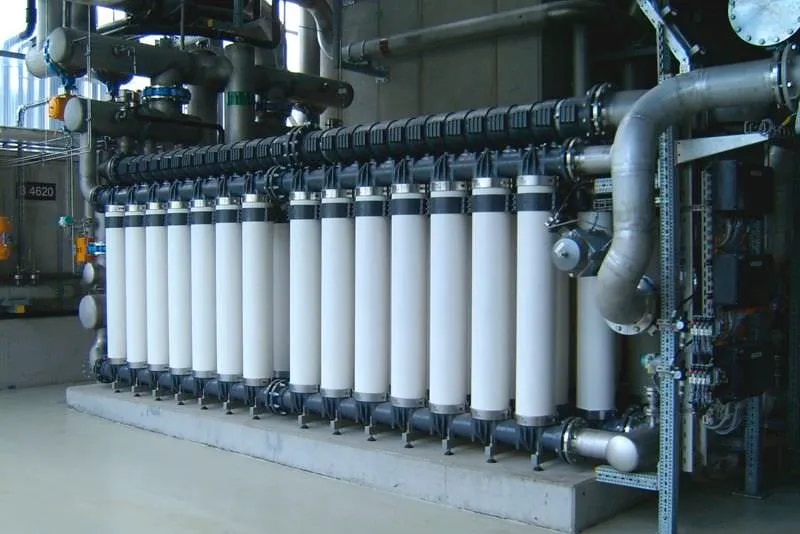
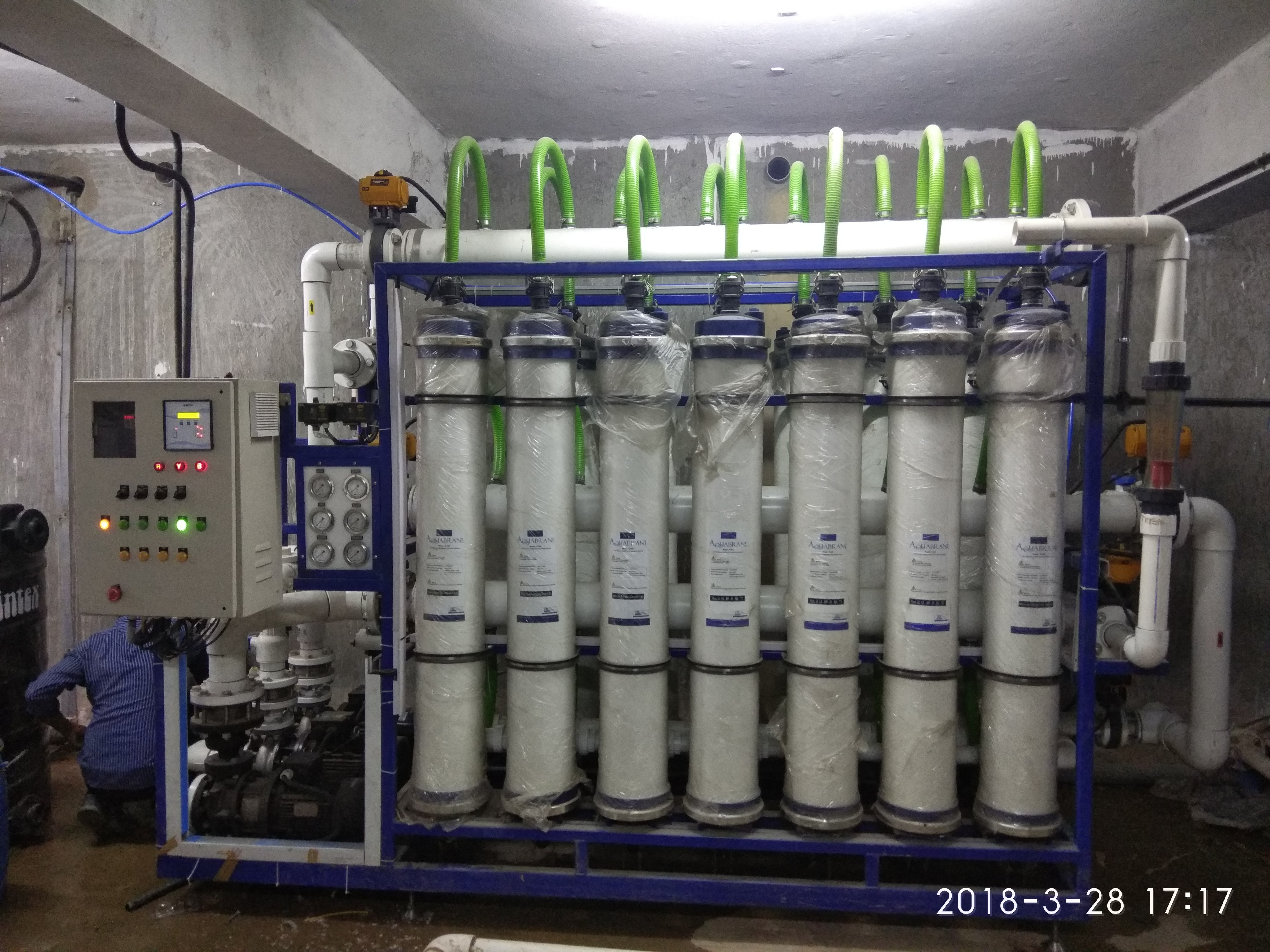
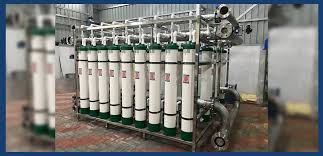
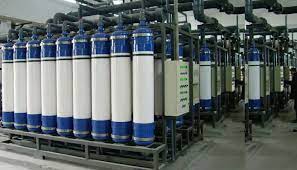
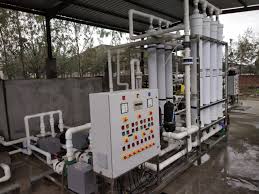
An Ultrafiltration (UF) plant process is a pressure-driven, membrane-based separation technique (pore sizes 0.01–0.1 microns) that removes suspended solids, bacteria, and viruses from water. It involves pre-treatment, pressure-driven filtration, permeate collection, and periodic backwashing to maintain membrane efficiency without chemical additives.
Key Stages of the UF Plant Process
Pre-Treatment: Raw water is passed through filters to remove large debris and sediments that could damage or clog the membrane.
Filtration Process (Separation): Under pressure, the water is forced through hollow fiber or flat sheet membranes. Suspended solids, pathogens, and macromolecules are trapped on the membrane surface (retentate), while clean water (permeate) passes through.
Permeate Collection: The purified, bacteria-free water is collected for consumption or further treatment (like RO pre-treatment).
Backwashing and Cleaning: To prevent membrane fouling, the system periodically reverses the flow (backwash) or uses air scouring to flush out trapped contaminants.
Key Features and Applications
Operating Principle: Mechanical sieving using low-pressure, high-efficiency membranes.
Advantages: High removal efficiency, compact design, and environmentally friendly, often used for water recycling and, in the food/beverage industry.
Membrane Types: Commonly uses hollow fiber membranes for high-volume filtration and resistance to fouling.