Thank you for writing to us. One of our executive will reach back to you through your submitted medium. In case there’s an urgency, feel free to connect over WhatsApp for faster response.
Prefer calling? Dial +919405982683 (International callers) or +919405982683 (Indian callers).
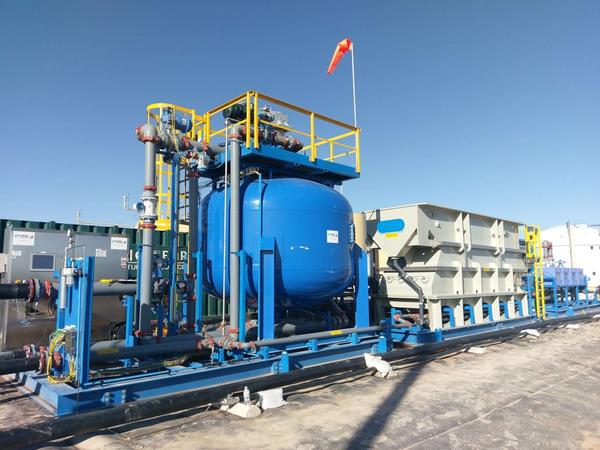
Industrial water filtration systems are essential for removing contaminants, suspended solids, and dissolved minerals from process water or wastewater in various industries to ensure high quality output, protect equipment, and meet regulatory requirements. They use different technologies tailored to specific needs.
Types of Industrial Water Filtration Systems
The appropriate system depends on the type of contaminants and the desired water purity level.
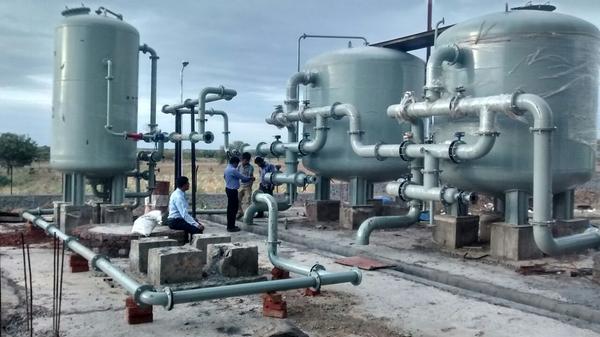
Multimedia/Sand Filters: These filters use layers of media like sand, gravel, and anthracite to remove suspended solids, turbidity, and larger particulate matter. They are often used as a pre-treatment step for other systems like RO units.
Activated Carbon Filters: Employing activated carbon media, these systems effectively remove organic compounds, chlorine, bad tastes, and odors from water. They are widely used in the beverage industry and hospitals.
Ultrafiltration (UF) & Nanofiltration (NF) Systems: These membrane-based systems use microscopic pores to remove particles, bacteria, viruses, and colloids. Nanofiltration can also soften water and remove specific ions, operating between ultrafiltration and reverse osmosis.
Reverse Osmosis (RO) Systems: RO systems force water through a semi-permeable membrane under pressure to remove up to 98% of dissolved salts, heavy metals, and other inorganic impurities. These are crucial for applications requiring high-purity water, such as in pharmaceutical manufacturing and power plants.
Water Softeners: These systems use resins to exchange ions, effectively removing hardness (calcium and magnesium ions) and iron. They prevent scaling and corrosion in boilers and cooling towers.
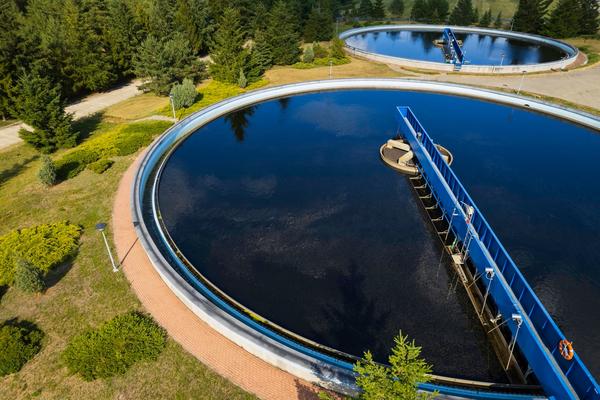
A Water Treatment Plant (WTP) is a facility designed to purify raw water (from rivers, lakes, borewells, etc.) and make it safe for drinking, industrial use, or other purposes. The goal is to remove physical, chemical, and biological impurities to meet water quality standards for a specific end-use.
The end use may be drinking, industrial water supply, irrigation, river flow maintenance, water recreation or many other uses, including being safely returned to the environment. Water treatment removes contaminants and undesirable components, or reduces their concentration so that the water becomes fit for its desired end-use. This treatment is crucial to human health and allows humans to benefit from both drinking and irrigation use.
For the elimination of hazardous chemicals from the water, many treatment procedures have been applied.
The processes involved in removing the contaminants includes:
Main Processes in a Water Treatment Plant
(a) Screening
Removes large floating objects like leaves, sticks, plastics, etc.
(b) Coagulation & Flocculation
Alum, ferric chloride, or polymers are added to clump fine suspended particles into larger “flocs.”
(c) Sedimentation
Water is kept in a tank where heavy flocs settle at the bottom.
(d) Filtration
Water passes through layers of sand, gravel, or activated carbon filters to remove smaller particles, turbidity, and color.
(e) Disinfection
Chlorine, ozone, or UV treatment kills bacteria, viruses, and pathogens.
(f) pH Correction
Lime or other chemicals are added if water is too acidic or alkaline.
Advanced Treatment (Optional)
Reverse Osmosis (RO): Removes dissolved salts and minerals.
Ultrafiltration (UF): Removes finer particles and microorganisms.
Activated Carbon Filters: Remove odor, taste, pesticides, organic matter.
Ion Exchange / Softening: Removes hardness (calcium & magnesium).
The key properties that define a WTP:
Multi-stage treatment processes:
WTPs employ a series of physical, chemical, and sometimes biological processes to eliminate a wide range of contaminants.
Common processes include:
Coagulation and Flocculation: Chemicals are added to clump small particles into larger flocs.
Sedimentation: Flocs settle out of the water due to gravity.
Filtration: Water passes through filters to remove remaining suspended solids and some microorganisms.
Disinfection: Chemicals like chlorine or UV light are used to kill harmful bacteria, viruses, and pathogens.
pH Adjustment: Adjusting the acidity or alkalinity of the water for optimal treatment and safety.
Advanced treatment methods like Reverse Osmosis (RO), Ultrafiltration (UF), and Nanofiltration (NF) may also be integrated depending on the specific water source and required water quality.
Water quality monitoring and control:
WTPs continuously monitor and analyze various water quality parameters throughout the treatment process to ensure the final output meets regulatory standards and intended uses.
Key parameters include: pH, turbidity, Total Dissolved Solids (TDS), hardness, the presence of microorganisms, and levels of specific chemicals.
Automated sensors and data analysis are increasingly utilized for real-time monitoring and process optimization.
Adaptability and flexibility:
WTPs are designed to adapt to variations in raw water quality and demand fluctuations.
Factors considered in design include the source water's characteristics, required capacity, and potential for future expansion.
The selection of treatment technologies and plant size are tailored to address the unique challenges of the water source and intended use.
Sludge and waste management:
Water treatment processes generate sludge and other waste materials that require proper handling and disposal to minimize environmental impact.
Sludge treatment and dewatering systems are an integral part of WTPs to ensure safe and compliant disposal.
Some WTPs are implementing advanced solutions like Zero Liquid Discharge (ZLD) to maximize water reuse and minimize waste generation.
Automation and efficiency:
Modern WTPs incorporate automation and control systems, including PLCs and SCADA, to enhance efficiency, reduce operating costs, and improve reliability.
These systems enable remote monitoring, automated process adjustments, and data logging for optimal performance and maintenance.
Energy efficiency is also a key consideration in WTP design and operation, with technologies like gravity-fed systems and solar-powered pumps being explored for sustainable practices.
Safety and regulatory compliance:
WTPs are designed and operated in adherence to strict safety standards and regulatory guidelines set by organizations like the World Health Organization (WHO) and local regulatory bodies.
This ensures the safety of the treated water, prevents environmental pollution, and minimizes potential health risks.
By effectively managing these key properties, WTPs play a crucial role in safeguarding public health, protecting the environment, and ensuring the availability of this vital resource for future generations.
* Major Components of a WTP
Intake well & raw water pump house
Screens & grit chambers
Flash mixer & flocculator
Clarifier (sedimentation tank)
Rapid sand filters / Pressure filters
Disinfection unit (chlorination, UV, ozone)
Treated water storage & distribution system
* Applications
Municipal drinking water supply
Industrial process water (power plants, textiles, pharma, food processing, etc.)
Hotels, hospitals, and commercial complexes
Irrigation & agricultural use
* Benefits
✅ Provides safe, potable water
✅ Prevents waterborne diseases (typhoid, cholera, dysentery)
✅ Removes harmful chemicals (arsenic, fluoride, nitrates)
✅ Improves water taste, odor, and clarity
✅ Meets environmental and regulatory standards
Water softeners are filtration systems designed to tackle the problem of hard water, which is water with a high concentration of dissolved minerals like calcium and magnesium. These minerals are picked up as water flows through rock and soil deposits.
How water softeners work to address this issue:
Ion Exchange: Most water softeners use ion exchange, where hard water passes through resin beads that swap sodium ions for calcium and magnesium ions.
Regeneration: When the resin is full of hard minerals, a saltwater solution is used to flush out the minerals and replenish the sodium ions.
Why water softening is important
Hard water can cause problems:
Scale Buildup: It creates limescale in pipes and appliances, reducing efficiency and lifespan.
Reduced Cleaning Efficiency: Hard water makes soaps and detergents less effective.
Damaged Appliances: Scale can shorten the life of appliances.
Higher Energy Consumption: Scale on heating elements increases energy use.
Using water softeners can prevent these issues, leading to benefits such as:
Extended Lifespan: Protects plumbing and appliances.
Improved Cleaning: Makes soaps work better.
Better Skin and Hair: Gentler on skin and hair.
Increased Efficiency: Appliances run more efficiently.
Cost Savings: Reduces bills and replacement costs.
Water softeners are important in water treatment for improving water quality and protecting systems from hard water's effects.
 Chat with us
 Chat with us