Nagpur
08042757117
+919405982683

effluent treatment plants

6814772a5d263414004dd4a4 Card 2

product image
EFFLUENT TREATMENT PLANTS

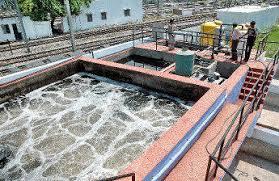
An Industrial Effluent Treatment Plant (ETP) is a system that processes contaminated wastewater from industries (like textiles, pharma, food) using physical, chemical, and biological methods to remove pollutants, making water safe for discharge or reuse, ensuring environmental compliance and public health protection. ETPs typically involve stages like preliminary screening (removing large solids), primary treatment (settling solids), secondary treatment (biological breakdown of organics), and tertiary treatments (filtration, reverse osmosis) for advanced purification. Removes Pollutants: Cleans water of heavy metals, organic matter, chemicals, and toxins. Ensures Compliance: Helps industries meet strict environmental discharge norms. Water Recycling: Allows treated water to be reused for non-potable purposes. Protects Health & Environment: Prevents contamination of water bodies and public health risks.
6814772a5d263414004dd4a4 Card 2

product image
EFFLUENT TREATMENT PLANTS

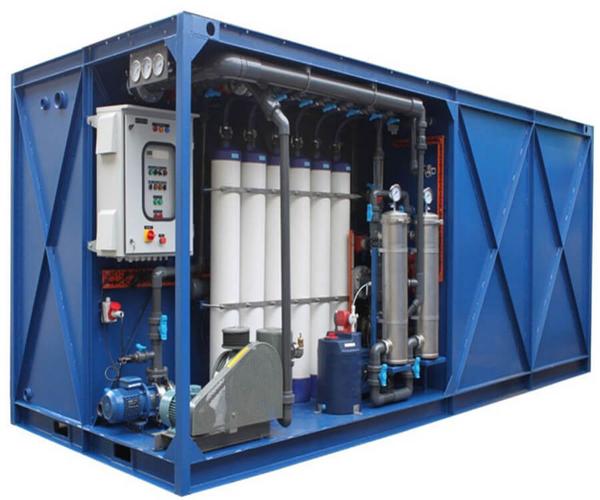
A containerized effluent treatment plant (ETP) is a complete, self-contained wastewater treatment system built inside a shipping container. Designed for portability and rapid deployment, these “plug-and-play” units are ideal for locations that require temporary, mobile, or compact wastewater treatment solutions, such as remote industrial sites, construction camps, or emergency relief areas. Key benefits Mobility: Easy to transport and relocate, making them ideal for temporary projects, emergency situations, or facilities that may move, such as construction sites. Rapid deployment: Because the units are pre-assembled and factory-tested, they can be set up and operational in a very short time with minimal on-site civil work. Compact footprint: Housed within a standard shipping container, these plants require significantly less space compared to conventional ETPs. Scalability: Capacity can be increased by simply adding more containerized modules, providing a flexible solution for evolving needs. Cost-effective: Reduced civil engineering work, installation time, and operational costs make containerized ETPs an economical option for many businesses. Customization: Plants can be configured with specific treatment technologies to suit the unique composition of different types of industrial effluent. Typical applications Construction and mining sites Remote and offshore facilities Pharmaceutical and chemical manufacturing plants Textile and food processing industries Hotels, resorts, and large commercial developments Emergency and disaster relief camps

6814772a5d263414004dd4a4 Card 2

product image
EFFLUENT TREATMENT PLANTS

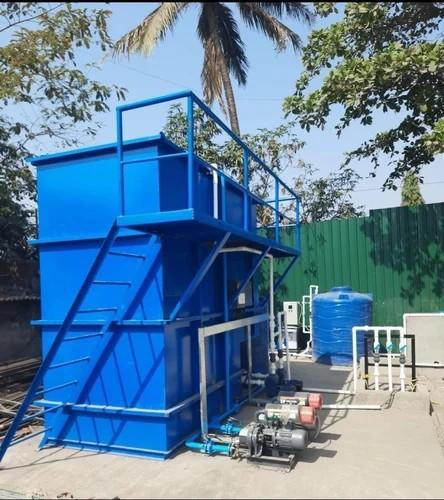
A modular ETP can be configured to include multiple treatment stages, with each module handling a specific function. 1) Preliminary treatment: This stage removes large solids and grit using screens to protect the downstream equipment from clogging. 2) Primary treatment: Wastewater flows into sedimentation tanks, where heavy solids and sludge settle out. 3) Biological treatment: Aeration tanks containing microbial biomass break down biodegradable organic matter. Common modular technologies for this stage include: a) Moving Bed Biofilm Reactor (MBBR): Uses free-floating plastic carriers for microbial growth. b) Membrane Bioreactor (MBR): Combines biological treatment with membrane filtration to produce high-quality effluent. c) Sequencing Batch Reactor (SBR): Treats wastewater in batches within a single tank. 4)Secondary clarification: After biological treatment, the biomass separates from the treated water, producing a clearer effluent. 5) Tertiary treatment (polishing): This optional stage further purifies the water to meet stringent discharge standards or for reuse. It can involve sand filters, activated carbon filters, or disinfection with UV light or chlorine. 6) Sludge treatment and disposal: The sludge collected during treatment is dewatered and stabilized for safe disposal or reuse. Advantages Cost-effective: Lower initial capital expenditure is possible because industries can invest incrementally by adding modules as needed. Flexibility and customization: The modular design allows for a high degree of customization to match specific wastewater characteristics and treatment goals. Reduced civil work: Minimal on-site civil engineering and construction are required for installation, lowering costs and installation time. Rapid deployment: Prefabricated units reduce on-site construction time by up to 50%, allowing projects to come online faster. Common applications Modular ETPs are used across many industries, particularly those with smaller-scale operations or a need for flexibility. Textile and food processing industries Pharmaceutical and chemical manufacturing plants Remote or rural locations where centralized treatment is not feasible Construction sites and other temporary projects Hotels, resorts, and commercial complexes

6814772a5d263414004dd4a4 Card 2

product image
EFFLUENT TREATMENT PLANTS

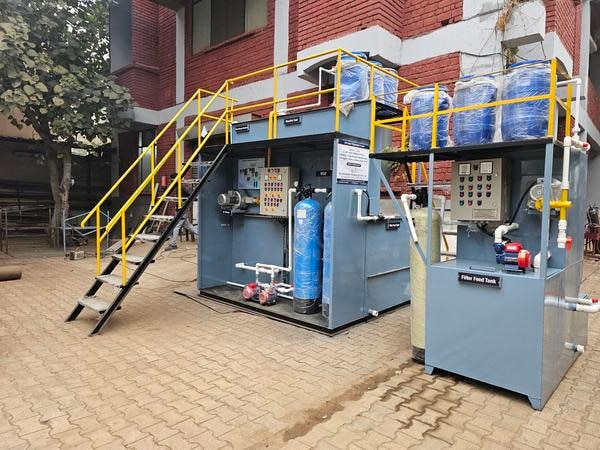
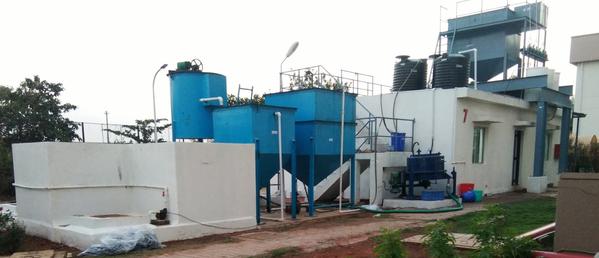
A package ETP (Effluent Treatment Plant) is a compact, pre-engineered, and often skid-mounted wastewater treatment system designed for quick deployment and efficient operation in various settings like small to medium-sized industries, hospitals, and residential complexes. Key features include modular design, “plug-and-play” operation, low maintenance, automation, and a small footprint, allowing for easy installation and relocation to meet environmental discharge standards for industrial or domestic wastewater. These plants use a combination of physical, chemical, and biological processes to remove pollutants from effluent, making it suitable for safe reuse or discharge. Key Features & Benefits Compact & Modular Design: The plants are self-contained, pre-engineered units that take up minimal space, making them ideal for facilities with limited area. Quick Installation: Being “plug-and-play” and often skid-mounted, these systems can be installed quickly and easily. Cost-Effective: They offer a cost-effective solution for treating wastewater compared to larger, conventional systems. Low Maintenance & Automation: Packaged ETPs are designed for low maintenance and can have automated operation, simplifying usage and reducing labor costs. High-Quality Output: They employ multi-stage treatment processes to ensure the final treated water meets environmental discharge norms. Portability: The modular, skid-mounted design allows for easy relocation if the facility needs to move. Common Applications Small to Medium Industries: Pharmaceutical, textile, dairy, food & beverage, and chemical industries. Institutional Facilities: Hospitals, schools, colleges, and residential complexes. Other Uses: Hotels, farmhouses, and construction sites. Package ETPs integrate various treatment stages, including: Physical Treatment: Screening, grit removal, and oil separation. Chemical Treatment: Coagulation and flocculation to remove dissolved and suspended solids. Biological Treatment: Processes like Activated Sludge or Moving Bed Biofilm Reactor (MBBR) to break down organic pollutants. Tertiary Treatment: Filtration and disinfection to achieve high-quality treated water.

6814772a5d263414004dd4a4 Card 2

product image
EFFLUENT TREATMENT PLANTS

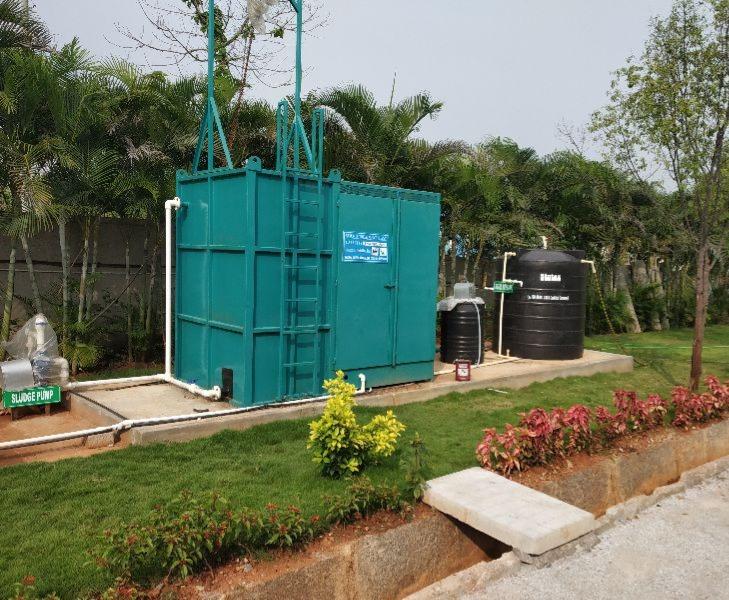
An MBR ETP is a Membrane Bioreactor Effluent Treatment Plant. It combines a conventional biological wastewater treatment process with a physical membrane filtration process, offering a highly effective method for treating industrial wastewater. This advanced technology allows industries to produce high-quality treated water that can be safely discharged or reused. MBR technology offers significant benefits over conventional wastewater treatment systems: Superior water quality: The membrane barrier produces exceptionally high-quality effluent with very low levels of suspended solids, turbidity, and pathogens. The treated water is often clear, odorless, and suitable for direct reuse in non-potable applications. Compact footprint: By combining the biological treatment and solid-liquid separation into one step, MBR plants require up to 50% less space than conventional systems. This is ideal for industries with limited land or for retrofitting existing facilities. Reduced sludge production: The long sludge retention time (SRT) in the bioreactor promotes greater biological degradation, resulting in less excess sludge. This significantly lowers sludge handling and disposal costs. Process stability: MBRs are more resilient to fluctuations in influent wastewater quality and flow rates (known as “shock loads”). The physical membrane barrier ensures consistent effluent quality even under variable conditions. Automated operation: Modern MBR systems are highly automated, reducing the need for constant manual monitoring and intervention. Common applications Due to their effectiveness and versatility, MBR ETPs are used across many industries and scenarios: Industrial wastewater treatment: Pharmaceutical, textile, chemical, food and beverage, and other industries with high-strength wastewater use MBRs to meet strict environmental regulations. Wastewater reuse: MBR-treated water is excellent for reclaiming and reusing water for purposes like irrigation, cooling towers, and industrial processes, reducing freshwater consumption. Decentralized treatment: MBR package plants are modular and can be installed quickly for facilities like hotels, resorts, hospitals, and housing complexes, where connecting to a municipal plant is not feasible. Landfill leachate treatment: The technology is effective for treating the highly concentrated contaminants often found in landfill leachate.

6814772a5d263414004dd4a4 Card 2

product image
EFFLUENT TREATMENT PLANTS

An MBBR ETP is an Effluent Treatment Plant that uses Moving Bed Biofilm Reactor (MBBR) technology to treat wastewater. This advanced biological process is highly effective for removing organic and inorganic pollutants from industrial wastewater. Key advantages of MBBR ETPs Compact size: MBBR plants are significantly more compact and require less space than traditional treatment systems, making them ideal for urban areas or facilities with limited land. High efficiency: They provide superior removal rates for BOD, COD, and nitrogen compounds, ensuring consistent and high-quality treated water. Resilience to shock loads: The robust biofilm on the carriers is resistant to fluctuations in wastewater flow and pollutant concentration, allowing for stable performance. Low maintenance: With no complex sludge recycling, the system is simpler to operate and requires less operator intervention. Reduced sludge production: The efficient degradation process results in less excess sludge, which lowers the costs associated with sludge handling and disposal. Scalability: The modular nature of MBBR technology makes it easy to increase the treatment capacity by simply adding more carriers to the existing tanks. Cost-effective: MBBR plants offer an economical wastewater treatment solution in terms of both capital and operating costs.

Phone Number

08042757117

Please keep 0 before dialling the number.

Mon-Thu: 10 AM - 2 PM • Fri: 3 PM - 7AM

Other Website Visit our other website
Address Plot no 125, sudarshan colony, New Subhedar Layout, lay out,

Nagpur, India, 440024