Nagpur
08042757117
+919405982683

waste water treatment

6814772a5d263414004dd4a4 Card 2

product image
WASTE WATER TREATMENT

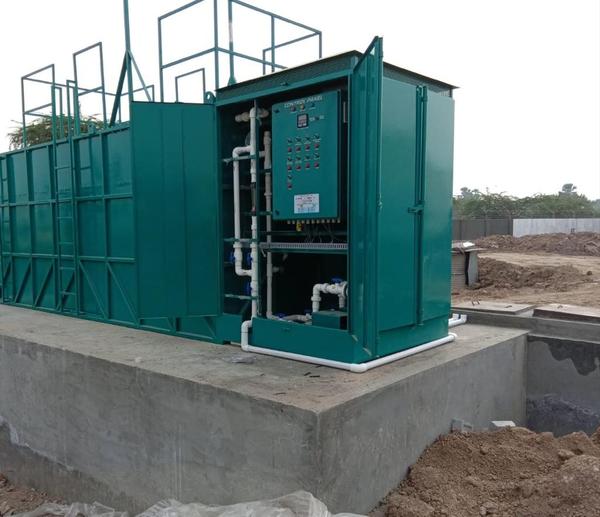
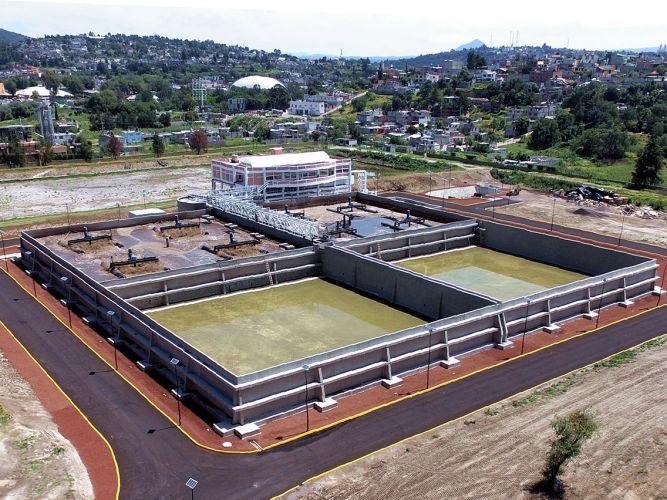
The sequencing batch reactor (SBR) is a fill-and- draw activated sludge system for wastewater treatment. In this system, wastewater is added to a single “batch” reactor, treated to remove undesirable components. A Sequencing Batch Reactor (SBR) is a type of activated sludge wastewater treatment system that utilizes a fill-and-draw process where all stages of treatment occur sequentially in a single tank. Unlike conventional continuous flow systems that require separate tanks for each process (e.g., equalization, aeration, clarification), SBRs integrate these stages into a single reactor operated in a timed sequence. How SBR wastewater treatment works The SBR treatment cycle typically consists of five sequential phases: Fill: Wastewater is pumped into the SBR tank, where it mixes with the activated sludge (biomass) from the previous cycle. React: Air is supplied to the tank via an aeration system, providing oxygen for the microorganisms to break down organic pollutants (BOD, ammonia, nitrogen). Settle: Aeration stops, allowing the activated sludge to settle at the bottom of the tank due to gravity, leaving clear, treated water above. Decant: The clear, treated water (supernatant) is removed from the tank without disturbing the settled sludge. Idle: This is a waiting period before the next fill phase, during which excess sludge can be removed. Advantages of SBR wastewater treatment Compact Footprint: SBRs require less space compared to conventional systems as all treatment stages happen in a single tank, making them suitable for areas with limited land availability. Operational Flexibility: SBRs are adaptable to varying flow rates and organic loads, making them suitable for industrial and municipal applications with fluctuating wastewater characteristics. High Treatment Efficiency: SBRs can achieve high removal efficiencies for organic matter, nitrogen, and phosphorus due to the controlled aeration and anoxic/anaerobic cycles. Nutrient Removal: SBRs can effectively remove nitrogen and phosphorus without the need for chemical addition, promoting biological nutrient removal (BNR). Reduced Odor: Aerobic conditions throughout much of the cycle minimize odor generation compared to anaerobic systems. Automated Operation: Modern SBR systems are highly automated, reducing the need for constant manual oversight. Potential for Water Reuse: The high-quality effluent produced by SBRs can be suitable for various reuse applications after further disinfection and filtration. Applications of SBR wastewater treatment SBR technology is used in various municipal and industrial wastewater treatment settings, including: Small to medium-sized municipal plants Industrial applications such as food processing, pharmaceuticals, and chemical manufacturing Remote or decentralized facilities Upgrading existing plants Advanced SBR systems like the Hybrid Granular SBR (GST) can improve efficiency using bio-beads that help retain biomass, leading to better removal of organic carbon, nitrogen, and phosphorus. GST systems also reduce the need for certain equipment, resulting in a smaller size and lower costs.
6814772a5d263414004dd4a4 Card 2

product image
WASTE WATER TREATMENT

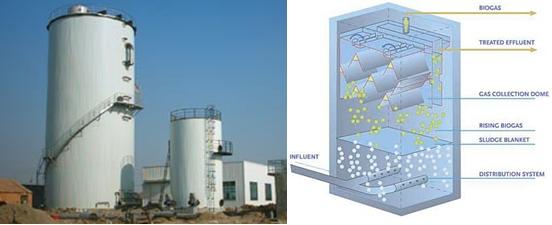
An upflow anaerobic sludge blanket (UASB) reactor is a type of anaerobic digester used for wastewater treatment, particularly for high-strength industrial wastewater. It's a single-tank process where wastewater flows upwards through a suspended blanket of granular sludge, breaking down organic pollutants and producing biogas. This technology is known for its efficiency in removing organic matter and its ability to produce usable biogas. How it works Wastewater inflow: Raw wastewater enters the reactor from the bottom. Sludge blanket contact: It flows upward through a dense blanket of granular sludge (microbial aggregates). Anaerobic degradation: Anaerobic microorganisms within the sludge blanket break down organic pollutants in the wastewater through anaerobic digestion. Biogas production: This process generates biogas, primarily methane and carbon dioxide, which bubbles upward, providing mixing and contributing to energy recovery potential. Phase separation: A gas-liquid-solid separator at the top of the reactor separates the treated liquid effluent, biogas, and sludge particles, returning the sludge to the digestion compartment. Effluent discharge/post-treatment: The treated effluent, with significantly reduced organic load (BOD and COD), can then be discharged or undergo further treatment for removal of nutrients (nitrogen and phosphorus) and pathogens. Advantages High organic loading capacity: Capable of effectively treating wastewater with high organic loads. Energy generation: Produces biogas (methane) as a renewable energy source that can be captured and utilized. Low sludge production: Generates a smaller quantity of stabilized sludge compared to aerobic systems, reducing sludge handling and disposal costs. Low energy requirements: Operates without the need for energy-intensive aeration systems common in aerobic treatments. Low land requirements: Compact design compared to conventional systems. Relatively simple design and operation. Applications UASB reactors are particularly well-suited for treating: Industrial wastewater: Examples include wastewater from industries like breweries, distilleries, food processing, pulp and paper, and tanneries, as well as agricultural wastes. High-strength wastewaters with high carbohydrate content.

6814772a5d263414004dd4a4 Card 2

product image
WASTE WATER TREATMENT

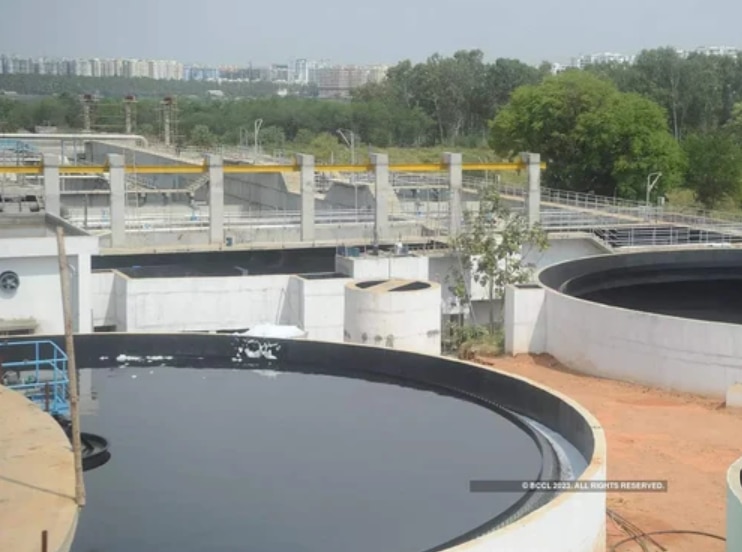
A membrane bioreactor (MBR) is a wastewater treatment technology that combines biological treatment with membrane filtration. It uses microorganisms to break down organic pollutants and then employs membranes (like microfiltration or ultrafiltration) to separate the treated water from the remaining solids and microorganisms. This results in high-quality effluent suitable for reuse and a smaller footprint compared to traditional activated sludge systems. How it works Pre-treatment: Wastewater first undergoes pre-screening to remove larger debris that could damage the membranes. Biological Degradation: The pre-treated wastewater enters a bioreactor where microorganisms break down organic pollutants. Aeration is provided to support the microbial activity. Membrane Filtration: The biologically treated water then passes through submerged membranes (usually microfiltration or ultrafiltration) which act as a filter, separating the treated water from the mixed liquor containing the microorganisms and other solids. Effluent & Sludge Management: The high-quality treated water (permeate) can then be reused or safely discharged. The concentrated sludge is managed, potentially undergoing further treatment or disposal. Key advantages High-quality effluent: MBR systems produce effluent of excellent quality, often suitable for reuse applications like irrigation or industrial processes. MBRs produce high-quality effluent with low levels of suspended solids, organic matter (COD/BOD), nutrients (nitrogen and phosphorus), and pathogens, meeting stringent environmental standards. Smaller footprint: The MBR design eliminates the need for large secondary clarifiers, leading to a more compact treatment plant and saving space. Enhanced treatment efficiency: MBR systems effectively remove suspended solids, organic pollutants (BOD, COD), nutrients (nitrogen, phosphorus), and pathogens. Increased operational control: MBRs offer better control over the solids retention time (SRT) and hydraulic retention time (HRT), which allows for better management of the microbial population and overall treatment efficiency. Reduced sludge production: MBR systems generally produce less waste activated sludge compared to conventional activated sludge processes. Applications MBR technology is suitable for treating various types of wastewater, including: Municipal wastewater: Widely used in municipal wastewater treatment plants, especially in areas with limited space or stringent discharge regulations. Industrial wastewater: Effective in treating industrial effluents, including those with high organic loads and difficult-to-degrade substances (e.g., from food and beverage, pharmaceutical, and petrochemical industries). Landfill leachate: Used for treating landfill leachates which contain a wide range of organic and inorganic compounds. MBR wastewater treatment stands for Membrane Bioreactor wastewater treatment, which is a state-of-the-art method that combines conventional activated sludge (biological treatment) with advanced membrane filtration.

6814772a5d263414004dd4a4 Card 2

product image
WASTE WATER TREATMENT

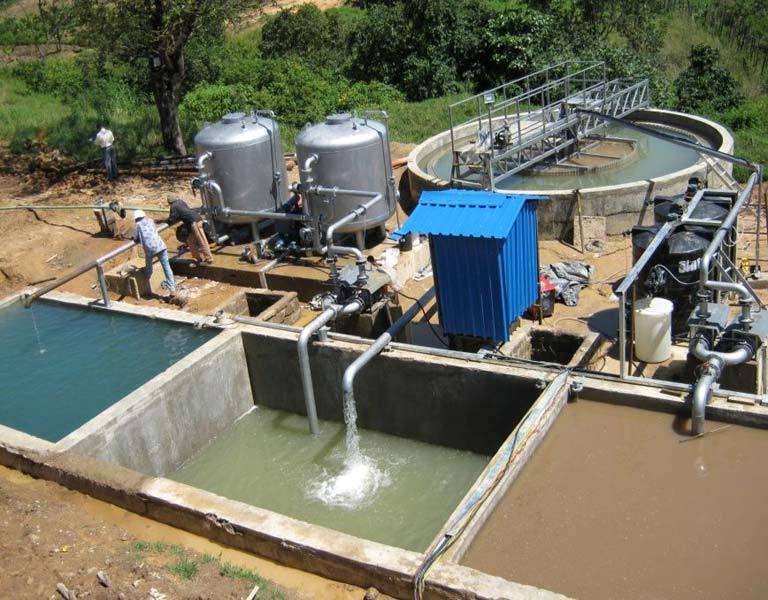
A sewage treatment plant (STP) is a facility that treats wastewater, primarily from domestic and commercial sources, to remove contaminants and pollutants before releasing it back into the environment. These plants play a crucial role in public health, water quality, and ecosystem preservation by ensuring wastewater is treated and purified. How STPs work: 'a multi-stage process' STPs employ a combination of physical, biological, and sometimes chemical processes, typically involving three main stages: Preliminary Treatment: This initial stage focuses on removing large debris and heavy solids that could damage equipment or obstruct the flow. This is achieved through screening (using bar screens) and grit removal in grit chambers. Primary Treatment: In this stage, wastewater flows into large sedimentation tanks where heavier solids settle to the bottom, forming primary sludge, while lighter materials like grease and oil float to the surface and are skimmed off. This stage removes a significant portion of suspended solids and organic matter. Secondary Treatment: This involves biological processes, primarily using microorganisms (bacteria and protozoa) to break down dissolved and suspended organic matter that remained after primary treatment. This is often carried out in aeration tanks where air is introduced to promote the growth of these microorganisms, creating activated sludge, which then settles out in a secondary clarifier. This process can significantly reduce organic matter and pathogens. Tertiary Treatment: This advanced stage, often optional but crucial for specific applications or sensitive environments, aims for further purification. It may involve filtration to remove finer particles, disinfection (using chlorine, ultraviolet light, or ozone) to eliminate remaining pathogens, and nutrient removal (nitrogen and phosphorus) to prevent eutrophication. Sludge Treatment: The sludge generated from primary and secondary treatment undergoes further processing, such as dewatering and drying, and may be used as fertilizer after undergoing stabilization processes Importance and benefits of sewage treatment Environmental Protection: STPs prevent water pollution by removing harmful contaminants from wastewater before it's discharged into rivers, lakes, and oceans, protecting aquatic life and maintaining ecosystem balance. Public Health Protection: By eliminating pathogens and toxins, STPs reduce the risk of waterborne diseases like cholera, typhoid, and dysentery. Water Reuse and Conservation: Treated wastewater can be safely reused for various non-potable purposes such as irrigation, industrial cooling, toilet flushing, and groundwater recharge, reducing the reliance on freshwater resources. Resource Recovery: Some STPs can recover valuable resources like biogas (a renewable energy source) from sludge digestion, and nutrients like nitrogen and phosphorus, which can be used as fertilizers. Regulatory Compliance: STPs help industries and municipalities meet strict wastewater discharge regulations, avoiding fines and legal issues. Our Expertise: - Customized STP design and installation - Advanced treatment technologies: physical, chemical, and biological processes - Effective removal of pollutants and contaminants: BOD, COD, TSS, pH, etc. - Compliance with environmental regulations: CPCB, MPCB, etc. - Regular maintenance and operation support Benefits of Our STP Solutions: - Reduced environmental impact - Compliance with regulatory requirements - Cost savings through water reuse and recycling - Improved public health and hygiene - Enhanced community reputation and social responsibility

6814772a5d263414004dd4a4 Card 2

product image
WASTE WATER TREATMENT

Effluent Treatment Plant (ETP) SK Enterprises offers innovative and effective Effluent Treatment Plant (ETP) solutions to manage industrial wastewater and ensure environmental compliance. An Effluent Treatment Plant (ETP) or Waste Water Treatment Plant (WWTP) is a unit plant where various physical, biological and chemical processes are used to change the properties of the waste water by removing harmful substances in order to turn it into hazard free water. An Effluent Treatment Plant (ETP) that treats industrial wastewater to remove contaminants and pollutants before discharge into the environment or for reuse. ETPs employ a combination of physical, chemical, and biological processes to purify the water, ensuring it meets environmental standards and minimizes harm to ecosystems. Key aspects of Effluent Treatment Plants: Purpose: ETPs are designed to treat wastewater generated by various industries, including textiles, pharmaceuticals, chemicals, and food processing, which can contain a wide range of pollutants. Treatment Processes: ETPs utilize a multi-stage treatment process, which may include: Preliminary Treatment: Removing large debris, grit, and other solids. Primary Treatment: Utilizing physical and chemical processes like coagulation and flocculation to remove suspended solids and some dissolved pollutants. Secondary Treatment: Employing biological processes, such as the activated sludge process, to break down organic matter using microorganisms. Tertiary Treatment: Implementing advanced filtration, disinfection, and other methods to remove remaining pollutants and pathogens. Sludge Handling: Collecting, treating (thickening, dewatering, digestion), and disposing of the solid by-product (sludge) in an environmentally responsible manner. Importance: ETPs are crucial for: Protecting water resources from contamination. Complying with environmental regulations and avoiding penalties. Enabling the safe reuse of treated water for non-potable purposes within the industry or for irrigation. Reducing the environmental impact of industrial wastewater discharge. Industry Applications: ETPs are widely used in various industries, including: -Textile -Chemical -Pharmaceutical -Food processing -Refineries -Dairy -Leather Our ETP Solutions: - Customized ETP design and installation - Advanced treatment technologies: physical, chemical, and biological processes - Effective removal of pollutants and contaminants: BOD, COD, TSS, pH, etc. - Compliance with environmental regulations: CPCB, MPCB, etc. - Regular maintenance and operation support Benefits of Our ETP Solutions: - Reduced environmental impact - Compliance with regulatory requirements - Cost savings through water reuse and recycling - Improved brand reputation and social responsibility - Enhanced employee safety and health

Phone Number

08042757117

Please keep 0 before dialling the number.

Mon-Thu: 10 AM - 2 PM • Fri: 3 PM - 7AM

Other Website Visit our other website
Address Plot no 125, sudarshan colony, New Subhedar Layout, lay out,

Nagpur, India, 440024