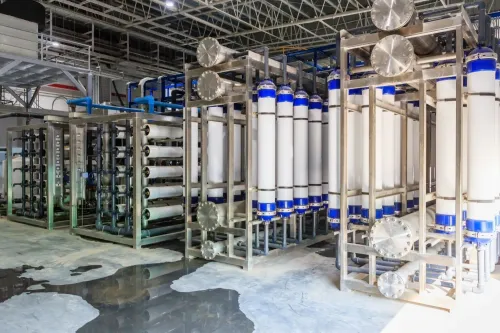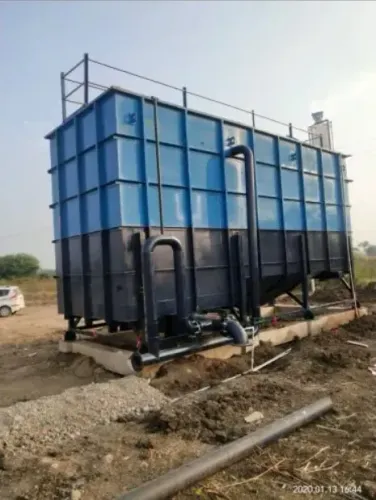
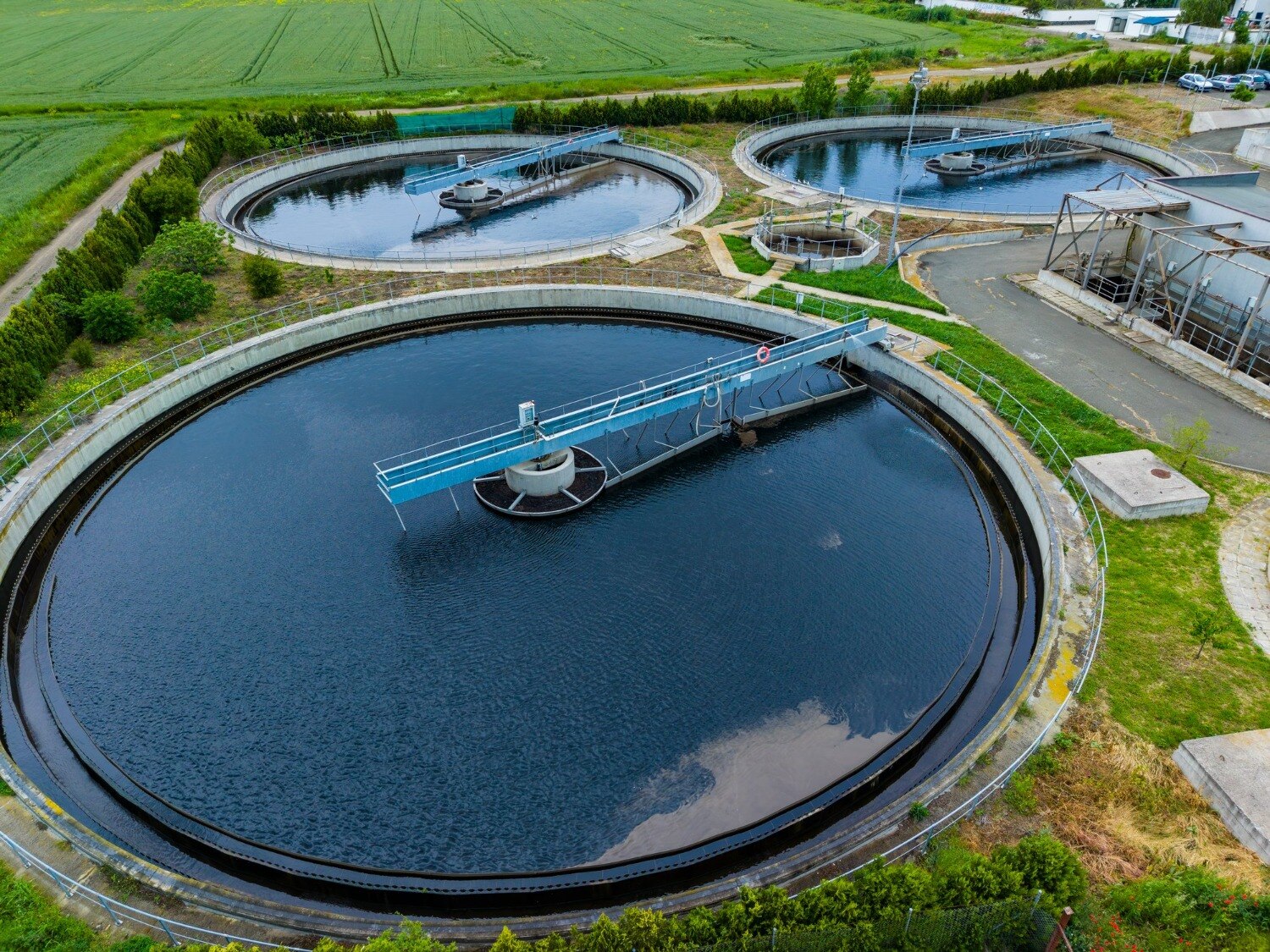
The right plant depends on where the treated water will go, how wastewater flow changes through the day and monsoon, and what the feed contains—not on the MBR label or nominal capacity alone. By the end, you will have a practical basis for sizing the system, comparing alternatives, writing purchase specifications, and verifying performance in Nagpur.
Key takeaways
- Define reuse quality before comparing MBR suppliers.
- Size the plant from measured flow, peaks, and wastewater test results.
- Specify membranes, pretreatment, automation, and cleaning access in writing.
- Compare lifecycle costs, not only installed treatment capacity.
Start with the reuse job and Nagpur site conditions
The reuse destination must define the brief for an MBR plant for water reuse in Nagpur before you compare suppliers. Toilet flushing, cooling-tower makeup, landscaping, vehicle washing, process water, and potable-abstraction augmentation differ in their limits for pathogens, salinity, nutrients, residual chlorine, and trace contaminants.
Write the required outlet values, Maharashtra Pollution Control Board consent conditions, storage period, and distribution controls into the tender; no single reuse-water target fits every application.
Check the site before selecting capacity or equipment:
- Record municipal supply reliability, tanker dependence, available footprint, truck access, and space for equalisation, sludge handling, storage, and future expansion.
- Design for Nagpur’s hot conditions, monsoon-driven inflow and infiltration, power interruptions, and the energy cost of continuous aeration, membrane air-scouring, pumping, and disinfection.
- Test pH, BOD, COD, TSS, ammonia, total nitrogen, phosphorus, oil and grease, conductivity, salinity, hardness, detergents, solvents, biocides, and metals across dry-weather and peak operations.
- Require separate biological design for nitrogen or phosphorus removal. An MBR alone does not guarantee either; nitrification needs oxygen, alkalinity, and sludge age, while denitrification needs anoxic volume, nitrate recycle, and carbon.
| Reuse application | Main concern | Additional brief requirement |
|---|---|---|
| Toilet flushing | Pathogens and regrowth | Validated disinfection, residual control, covered storage |
| Cooling makeup | TDS, hardness, silica, corrosion | Define cycles of concentration and polishing |
| Process water | End-use contaminants | Identify each contaminant and process-specific limit |
Size the plant from measured flow and feed quality
Average daily flow is not plant capacity. Calculate it from metered inflow over representative operating days, then size hydraulic handling for the measured peak hourly flow, occupancy pattern, shift schedule, cleaning discharges, and monsoon infiltration. Equalisation can flatten short peaks, but it does not make excess wastewater disappear.
For a defensible MBR wastewater treatment plant selection, test the feed across weekday, weekend, production-shift, and wet-weather conditions:
- Flow: average daily, peak hourly, minimum night flow, and tanker or batch discharge volumes
- Quality: pH, BOD, COD, BOD/COD ratio, TSS, ammonia, total nitrogen, phosphorus, oil and grease, conductivity, TDS, salinity, hardness, detergents, temperature, and toxicity
- Industrial contaminants: solvents, biocides, heavy metals, refractory COD, and shock concentrations
A domestic sewage stream points to an MBR STP. Industrial effluent requires an MBR ETP only after confirming that biology and membranes can tolerate the feed.
| Option | Design basis | Treatment needed before MBR |
|---|---|---|
| MBR STP | Toilets, kitchens, bathing, and similar domestic sewage | Screening, grit removal, and equalisation where flow varies |
| MBR ETP | Factory-specific wastewater with process chemicals | Equalisation plus oil removal, pH correction, chemical precipitation, or toxicity control as testing requires |
Do not send stormwater into the biological process. For Nagpur, include monsoon peak flow, wet-weather dilution, and the hottest and coldest expected temperatures in the design basis. Require the supplier to state feed acceptance limits and reject the design if testing shows persistent salinity, metals, solvents, or toxicity beyond those limits.
Compare treatment options and specify the MBR design
Choose MBR when you need a compact plant, consistently low suspended solids, and reuse-quality water despite restricted land. For an mbr treatment system in nagpur, design against the coldest and hottest wastewater temperatures, monsoon peak flow, wet-weather dilution, and a physical barrier that keeps stormwater out of the biological process.
| Option | Main advantage | Choose it when |
|---|---|---|
| MBR | Membrane separation with biological treatment | Land is scarce, reuse requires low TSS, or a stable polished outlet matters |
| MBBR | Attached-growth biology with simpler separation | You have more land and can accept downstream clarification and filtration |
| SBR | Batch biological treatment | Flow arrives in batches and equalization can protect the cycle |
| Conventional activated sludge | Familiar process and lower membrane cost | Land, clarifier area, and tertiary polishing are available |
| Tertiary filtration | Polishes an already adequate secondary effluent | You need solids, colour, or pathogen reduction; it does not replace biological treatment |
Do not select MBR to remove dissolved salts, hardness, chloride, sulfate, or refractory industrial contaminants. Add softening, nanofiltration, or reverse osmosis only after testing demonstrates that need.
Put these design values in the tender, not just daily capacity:
- MLSS, SRT, F/M ratio, membrane flux, air-scouring rate, and operating limits
- Clean-water, normal, and peak flux; temperature correction; and the critical-flux or equivalent anti-fouling basis
- Guaranteed end-of-period permeability or TMP, cleaning frequency, membrane life, and replacement method
- Fine-screen aperture, grit and grease control, equalization volume, and protection from rags, fibres, solvents, metals, and shock loads
Match the outlet water to its reuse and consent requirements
Specify the end use before approving an mbr plant for water reuse in nagpur. An MBR permeate is not automatically suitable for every application: it removes suspended solids and most bacteria, but not dissolved salts, hardness, chloride, sulfate, many metals, or all trace organics.
| Reuse application | Additional treatment and controls | Evidence to require |
|---|---|---|
| Toilet flushing | UV or chlorination, covered storage, colour and odour control, residual disinfectant, and backflow prevention | Turbidity, E. coli, residual chlorine, pH, and cross-connection inspection records |
| Cooling-tower makeup | Softening or RO if hardness, silica, chloride, or TDS causes scaling or corrosion; control nutrients that promote biological growth | Conductivity, TDS, hardness, alkalinity, silica, cycles of concentration, biocide and blowdown logs |
| Landscaping or vehicle washing | Disinfection and screened, labelled storage; prevent aerosol exposure where workers are present | Microbiology, turbidity, residual disinfectant, and reuse-volume records |
| Process water or potable-abstraction augmentation | End-user treatment, validated multiple barriers, trace-contaminant assessment, and regulator approval before connection | A parameter-by-parameter risk assessment and independent laboratory results |
For an mbr treatment system in nagpur, design disinfection, storage, and distribution separately. UV alone leaves no residual; chlorination protects stored water but requires contact-time and residual verification.
Write the MPCB Consent to Establish and Consent to Operate conditions into the tender. Keep calibrated flow-meter records, daily operating logs, membrane-integrity and TMP results, chemical and sludge records, reuse and discharge volumes, and laboratory reports from the required facility.
Define sampling frequency, reporting format, exceedance notification, corrective action, and independent acceptance testing for every consent and reuse parameter.
Buy for operating life, not only installed capacity
A low installed price can become the expensive option if high membrane flux, frequent chemical cleaning, or short membrane life drives operating cost. In an MBR wastewater treatment plant selection, compare total cost over 10–15 years: electricity, chemicals, sludge disposal, membrane replacement, labour, spares, and downtime.
| Cost item | Require from each bidder | Check before award |
|---|---|---|
| Membranes | Material, configuration, module count, spare capacity, expected life, replacement price and delivery time | Confirm warranty exclusions and the time needed to isolate one train |
| Cleaning | Chemical names and concentrations, clean-in-place frequency, neutralisation and disposal method | Price annual chemical use and verify compatibility with the membrane |
| Energy | Blower, pump and air-scouring power at average and peak flow | Compare kWh per cubic metre at the stated MLSS, flux and temperature |
| Service | Local technicians, commissioning staff, operator training, references for similar feedwater and Nagpur conditions | Confirm 24-hour response, critical spares and remote alarms |
Require the supplier to state design MLSS, SRT, flux, air-scouring rate, transmembrane-pressure limits and minimum operating trains. S K ENTERPRISES, for example, should be asked to price routine maintenance separately from emergency call-outs so bids remain comparable.
Make acceptance testing a contract stage, not a verbal promise. Use representative wastewater and record flow, BOD, COD, TSS, ammonia, permeate quality, power use and membrane pressure for an agreed continuous run.
Pay the balance only after the plant meets reuse limits at average and peak loads, alarm tests pass, as-built drawings arrive, and operators complete hands-on training.
Related products
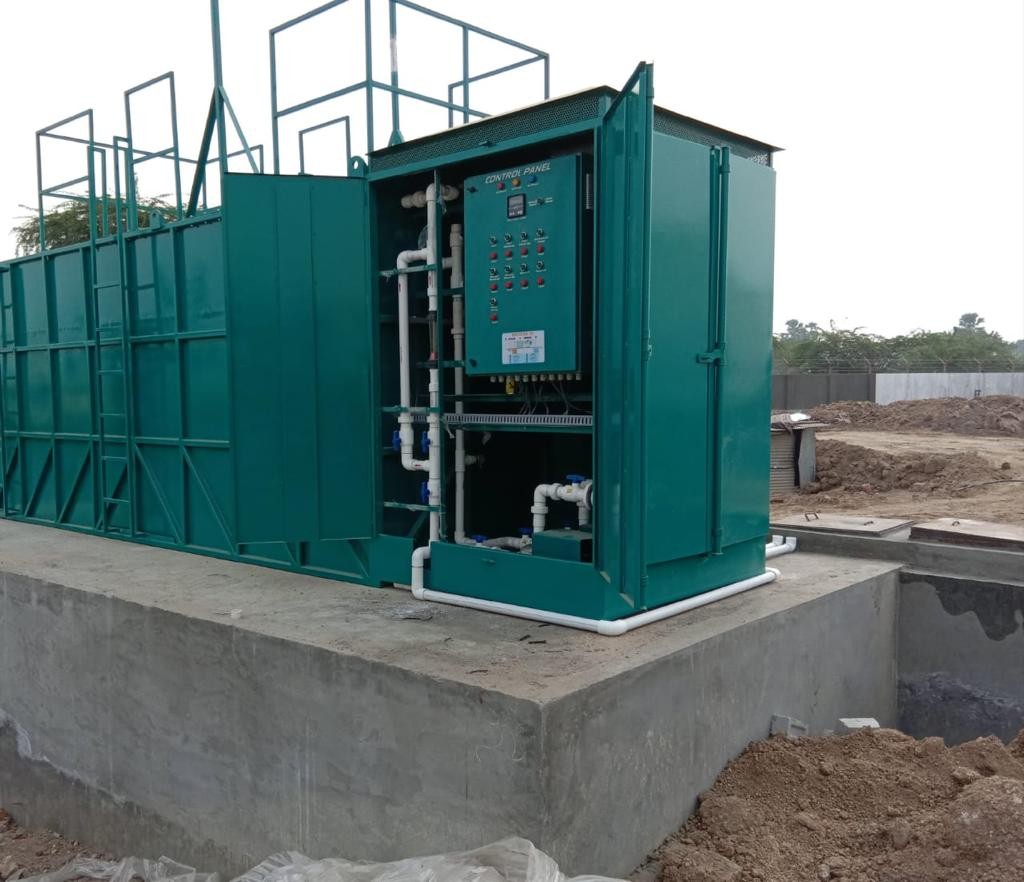 | SEWAGE TREATMENT PLANT MEMBRANE BIO-REACTOR (MBR) STP PLANT An MBR STP plant is a Sewage Treatment Plant that uses Membrane Bioreactor (MBR) technology to combine biological treatment with membrane filtration,... View product → |
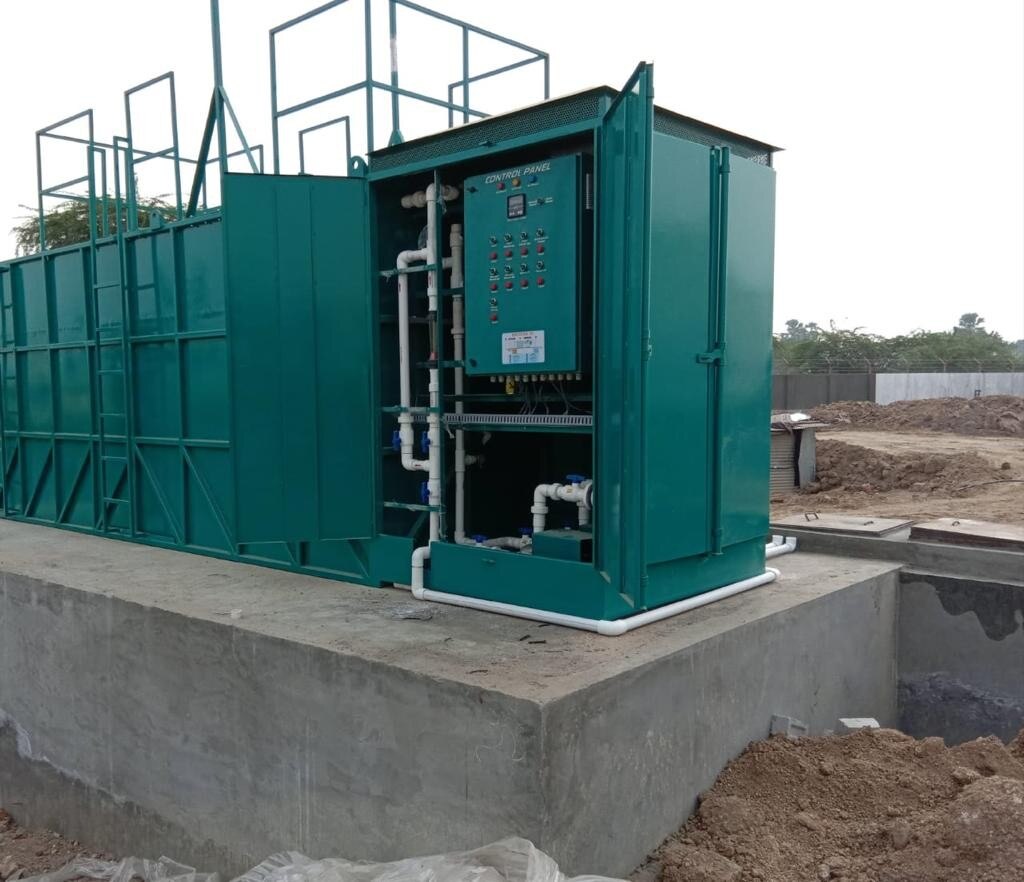 | WASTE WATER TREATMENT MEMBRANE BIO-REACTOR PLANT (MBR) A membrane bioreactor (MBR) is a wastewater treatment technology that combines biological treatment with membrane filtration. View product → |
Frequently asked questions
How should you define an MBR plant for water reuse in Nagpur?
Start with the reuse destination, such as toilet flushing, cooling-tower makeup, landscaping, vehicle washing, process water, or potable-abstraction augmentation. Set limits for pathogens, salinity, nutrients, residual chlorine, and trace contaminants before selecting equipment.
What information is needed to size an MBR wastewater treatment plant?
Use measured average and peak flows together with feed-quality results. Include wastewater variability, hydraulic peaks, organic loading, suspended solids, nutrients, salinity, and any chemicals that could affect biological treatment or membranes.
How do you compare MBR treatment systems in Nagpur?
Compare the complete design rather than membrane area alone. Check pretreatment, biological-process configuration, membrane type, flux, aeration demand, cleaning method, standby equipment, automation, sludge handling, and access for maintenance.
What treated-water requirements must an MBR plant meet?
Match the outlet specification to its reuse application and discharge or consent conditions. Confirm pathogen control, solids, organic matter, nutrients, salinity, residual disinfectant, and trace-contaminant requirements for the intended use.
Why compare operating life instead of only installed capacity?
Evaluate electricity, chemicals, membrane replacement, sludge disposal, operator time, maintenance access, spare parts, downtime, and treated-water reliability alongside the quoted plant capacity.
Related products
 | EFFLUENT TREATMENT PLANTS MBR ETP (MEMBRANE BIO REACTOR) PLANT An MBR ETP is a Membrane Bioreactor Effluent Treatment Plant. View product → |
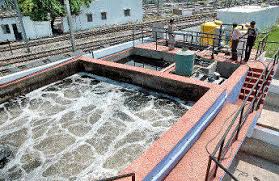 | EFFLUENT TREATMENT PLANTS An MBBR ETP is an Effluent Treatment Plant that uses Moving Bed Biofilm Reactor (MBBR) technology to treat wastewater. View product → |
Keywords