
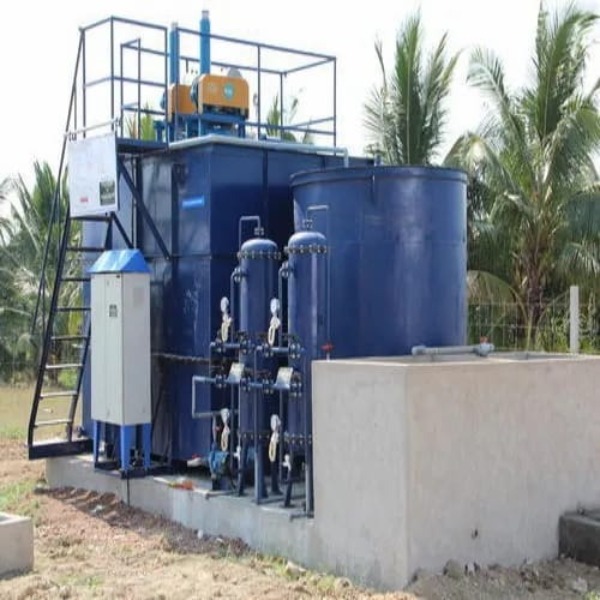
A considerable amount of water used in residential developments, hotels, institutions, hospitals, and commercial buildings comes from activities that do not involve toilet waste.
When suitable wastewater streams are separately collected and treated, they may provide an additional source of water for certain non-potable applications.
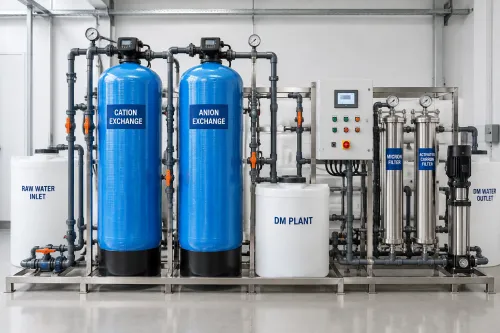
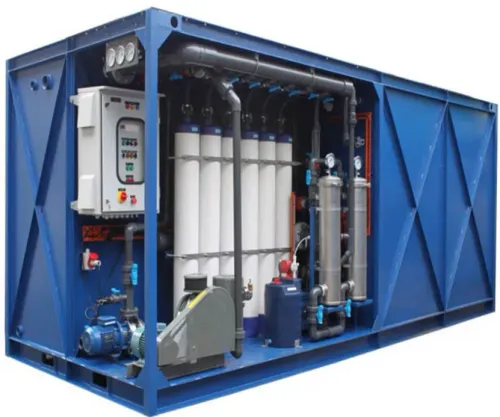
Greywater Treatment is designed around this concept.
SK Enterprises provides water and wastewater solutions in Nagpur for properties evaluating practical approaches to water conservation and reuse.
What Is Greywater
Greywater generally refers to wastewater collected separately from selected sources such as showers, wash basins, and bathing areas.
It should not be mistaken for clean water.
Greywater can contain:
- Soap
- Detergents
- Hair
- Skin particles
- Suspended solids
- Oils
- Organic matter
- Microorganisms
Treatment is therefore required before it can be considered for suitable reuse.
Why Separate Plumbing Is Important
The feasibility of recovering greywater depends heavily on how the property's plumbing is designed.
Keeping selected streams separate from toilet wastewater makes treatment more practical.
This is often easier in new developments where separate plumbing can be incorporated during construction.
Existing properties may require modifications, and the cost of those changes should be considered when assessing project feasibility.
Where Can Treated Greywater Be Used
Depending on treatment quality and applicable requirements, potential non-potable applications may include:
- Toilet flushing
- Landscaping
- Floor cleaning
- Selected utility applications
The intended use should be established before treatment equipment is selected.
Different applications can require different final water quality.
Treatment Capacity Should Match Recoverable Water
A property should estimate how much suitable greywater it actually generates.
Installing a system significantly larger than the recoverable volume increases unnecessary investment.
At the same time, the property should determine whether there is enough demand to use the treated water.
Both supply and reuse demand need to be considered.
Storage Requires Careful Planning
Untreated greywater should not remain stored for unnecessarily long periods because its quality can deteriorate and odour can develop.
Collection, treatment, storage, and reuse should therefore be coordinated.
Treated-water storage also needs suitable maintenance and monitoring.
Consider Operating Requirements
A recycling system can require pumps, filtration equipment, disinfection, controls, testing, cleaning, and routine maintenance.
Property managers should understand these requirements before installation.
SK Enterprises works with residential, hospitality, commercial, healthcare, and institutional customers in Nagpur and Maharashtra to evaluate water-treatment and reuse opportunities according to individual site conditions.
Effective Greywater Treatment is not simply about recovering wastewater.
It requires suitable segregation, realistic assessment of recoverable quantity, appropriate treatment, storage, distribution, and sufficient demand for the treated water.
When these factors are considered together, large properties can reduce freshwater consumption for suitable secondary uses and develop a more resource-conscious approach to everyday water management.