A softener can protect an RO system, evaporator or heat exchanger from calcium and magnesium scaling, but it does not make wastewater salt-free or achieve zero liquid discharge on its own. By the end, you will be able to decide whether softening belongs in your treatment train, compare it with alternatives and specify a plant that accounts for its regeneration brine.
Key takeaways
- Use softening when hardness threatens RO membranes, evaporators, or crystallisers.
- Match ion exchange or lime softening to measured calcium, magnesium, and alkalinity.
- Include regeneration brine in the ZLD salt and water balance.
- Size the plant from hardness tests, flow records, and regeneration frequency.
When a softener improves a ZLD treatment train
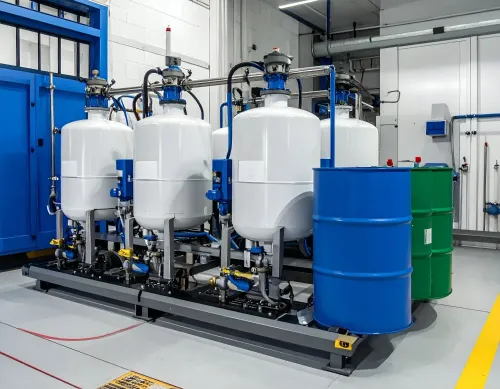
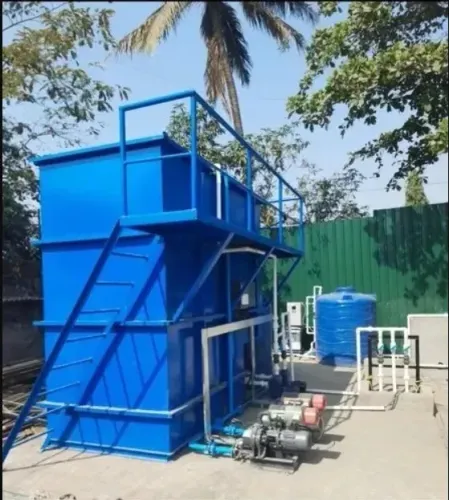
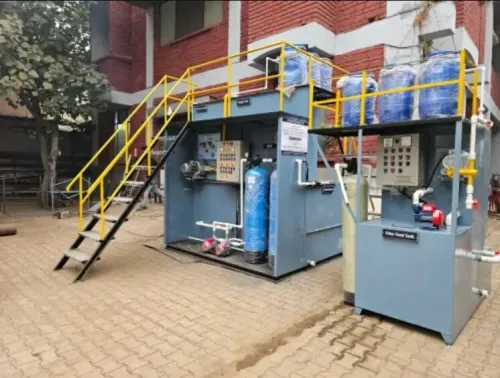
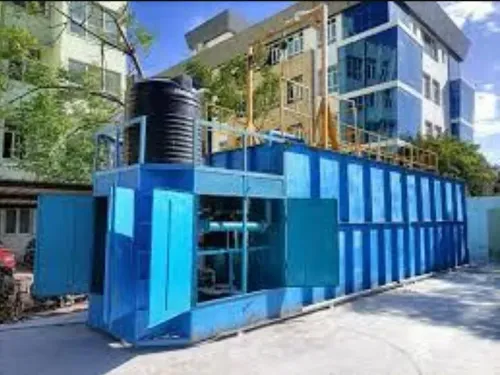
A water softener plant for zero liquid discharge in Nagpur is useful when measured calcium and magnesium hardness creates a scaling risk in RO membranes, heat exchangers, evaporators or crystallisers. It is a protection step, not the ZLD process itself.
1. Place the softener before multimedia filtration, cartridge filtration and RO when the design requires hardness control. Put it upstream of evaporation when concentration would otherwise form damaging deposits on heat-transfer surfaces or crystalliser equipment.
2. A sodium-cycle softener exchanges calcium and magnesium ions for sodium ions. It does not remove chloride, sulfate, nitrate, silica, organics, colour or overall TDS. RO, evaporation and crystallisation therefore remain necessary for salt removal and ZLD.
3. Do not justify a water softener for ZLD in Nagpur from high hardness alone. Complete a scaling calculation using alkalinity, pH, temperature, sulfate, silica, fluoride and concentration factor. The result must show that hardness control reduces a specific downstream risk.
If the softened water adds unacceptable sodium to an evaporator feed, or the regeneration brine worsens the sodium-chloride crystalliser load, compare antiscalant dosing, acid dosing, lime softening, nanofiltration or another RO-evaporator arrangement. A pilot using actual feed and reject provides stronger evidence than a catalogue capacity.
Match the softening method to the water chemistry
Choose the method from a complete feed analysis, not hardness alone. For zero liquid discharge water softening in Nagpur, test calcium hardness, magnesium hardness, alkalinity, pH, TDS or conductivity, silica, iron, manganese, sulfate, chloride, temperature, turbidity, oil and flow.
| Method | Best fit | Main penalty |
|---|---|---|
| Sodium-cycle softening | Control hardness leakage to RO, heaters or evaporators | Adds sodium; regeneration adds chloride-rich brine |
| Lime-soda softening | High-flow bulk hardness reduction | Chemical handling, sludge dewatering and solids disposal |
| Antiscalant dosing | Scaling calculation supports controlled RO operation | Does not remove hardness; overdosing can foul membranes |
| Acid dosing | Carbonate scaling is the calculated risk | Adds sulfate or chloride, lowers pH and increases corrosion risk |
| Nanofiltration | Selective removal of divalent ions, hardness and sulfate | Produces reject and needs membrane pretreatment |
| Decarbonation | Alkalinity-driven carbonate scaling requires removal | Adds equipment, energy or chemical demand |
Ion exchange suits tight hardness-leakage control, but sodium and chloride-related salt loading rise through regeneration. That trade-off matters for sodium-sensitive reuse and ZLD systems already sending a large sodium-chloride load to the crystalliser.
Lime-soda treatment suits high flow when a solids stream is easier to manage than concentrated brine. Select antiscalant or acid dosing when the scaling calculation supports it; otherwise, nanofiltration or decarbonation may produce a better salt balance. Include concentration factor, sulfate, silica, fluoride, temperature and pH in that calculation before approving the equipment.
Design the softener around regeneration and the ZLD salt balance
Design the softener around regeneration brine and the ZLD salt balance, not vessel purchase price. A typical train places multimedia filtration before the softener, cartridge filtration after it, then ultrafiltration where colloids or biological solids require tighter control, followed by RO. Evaporators and crystallisers handle RO reject; condensate polishing treats recovered vapour condensate before reuse.
A softener does not replace controls for suspended solids, colloids, iron, manganese, oil, biological growth or residual oxidants. Use clarification, filtration, dechlorination or biological control as the feed requires. Keep cartridge filters and a defined RO cleaning strategy; softening cannot substitute for either.
Use this regeneration sequence:
- Prepare brine by dissolving sodium chloride in the brine tank and verify tank volume and salt concentration.
- Backwash the resin to expand the bed and remove trapped solids.
- Apply brine, followed by the slow rinse, to exchange sodium for calcium and magnesium and carry the displaced ions to drain.
- Apply the fast rinse until hardness leakage and conductivity meet the return-to-service limit.
- Return the vessel to service only after confirming valve position, outlet hardness and the bypass interlock.
Quantify brine volume, sodium chloride concentration, displaced calcium and magnesium, rinse water and total TDS. Route the stream to reject equalisation, RO-reject handling, evaporator feed or another permitted brine-management route—not an ordinary drain.
Put those figures into evaporator duty, crystalliser solids, cleaning frequency and final mixed-salt disposal calculations. Resin replacement, pumping energy and regeneration water belong in the lifecycle comparison too.
Size and specify the plant from operating evidence
Size the vessel from measured hardness load, not a nominal pipe diameter or a quoted daily capacity. Calculate calcium-plus-magnesium load from inlet hardness as mg/L CaCO3 and actual service flow; then check peak flow, resin working capacity, target hardness leakage, salt dose, regeneration frequency, rinse-water volume and pressure drop.
State the bypass consequence: untreated hardness can reach the RO or evaporator during regeneration.
Use representative samples from every borewell, municipal connection and industrial source across relevant seasons. If sources change, install online hardness or conductivity monitoring with defined actions: divert, regenerate, reduce flow or stop the RO.
- Demand a pilot or controlled trial using actual feed and downstream reject.
- Measure hardness leakage through a complete service and regeneration cycle, including brine volume and composition.
- Record RO normalised performance, antiscalant or acid demand, evaporator scaling tendency and the resulting salt balance.
- Ask a water softening system supplier in nagpur for a hardness-leakage guarantee at specified flow and salt dose, plus resin data, vessel and valve materials, regeneration logic and brine-tank capacity.
- Require a bypass interlock, hardness and conductivity monitoring points, commissioning tests, spare-parts support and responsibility for integrating brine into the ZLD balance.
S K ENTERPRISES can be considered when one party must design, install and integrate the softener with ZLD, but evidence must decide the purchase. Compare salt loading, rinse water, evaporator duty, crystalliser solids, cleaning frequency and disposal volume—not resin price alone.
Related product
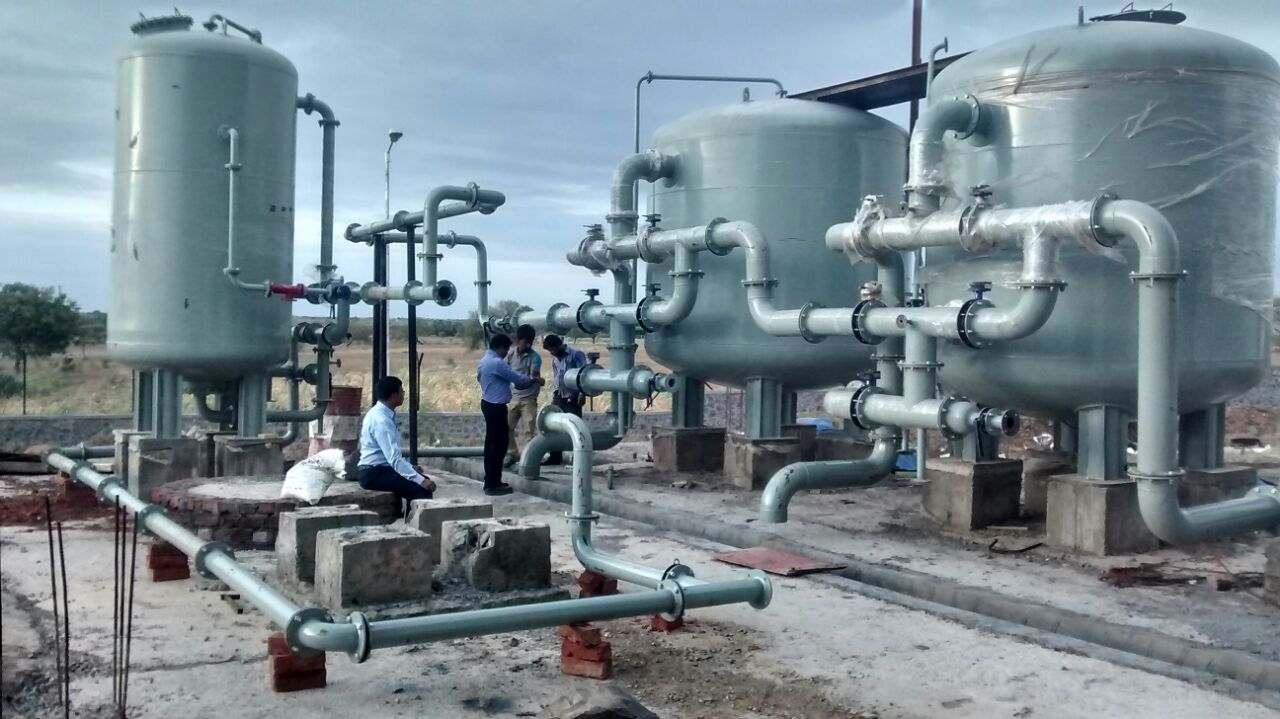 | WATER TREATMENT Water softeners are filtration systems designed to tackle the problem of hard water, which is water with a high concentration of dissolved minerals... View product → |
Make the final decision against Nagpur conditions and consent duties
Choose a softener only when all four checks pass:
- The scaling calculation shows calcium or magnesium risk in the RO, heat exchanger, evaporator or crystalliser.
- The sodium increase remains acceptable for reuse and the downstream salt balance.
- Regeneration brine, rinse water and displaced hardness have a documented, permitted route.
- The lifecycle balance beats the alternatives, including salt purchase, energy, cleaning, scaling and mixed-salt disposal.
Industrial softener plant applications in Nagpur include boiler-feed pretreatment, cooling-tower makeup, process water and RO protection. Do not apply one leakage target to every duty: boiler makeup, cooling makeup and RO feed have different limits for hardness, sodium, silica, alkalinity, microbiology and oxidants.
| Option | Prefer it when | Reject or redesign when |
|---|---|---|
| Sodium-cycle softener | Hardness leakage threatens equipment and brine can enter approved brine handling | Sodium or chloride increases evaporator burden |
| Lime softening | High flow requires bulk hardness reduction and sludge handling is available | Chemical handling or sludge disposal is impractical |
| Antiscalant, acid, nanofiltration or decarbonation | The scaling model shows lower total salt and energy demand | The selected chemistry cannot control the actual feed |
| Alternative RO-evaporator arrangement | It reduces concentration, cleaning and crystalliser load | It fails the reuse or recovery requirement |
If brine has no managed route, stop. Verify the facility’s MPCB consent to establish or operate, applicable CPCB or sector requirements, reuse arrangement and pollution-control directions. ZLD is not universal, and a softener is not a compliance certificate.
Frequently asked questions
When does a softener improve a ZLD treatment train?
A softener helps when measured calcium and magnesium hardness creates scaling risk in RO membranes, heat exchangers, evaporators, or crystallisers. It protects these units but does not replace ZLD treatment.
How do you choose a softening method for ZLD water?
Match the method to the water chemistry. Sodium-cycle ion exchange suits hardness removal from suitable feedwater, while lime softening suits larger flows or water with significant alkalinity and suspended solids.
Why must regeneration be included in ZLD design?
Ion-exchange regeneration produces brine and rinse water. Include both streams in the ZLD salt balance, hydraulic balance, storage design, and evaporator or crystalliser loading.
What evidence is needed to size an industrial softener plant?
Use laboratory hardness and alkalinity results, flow records, peak demand, operating hours, resin capacity, regeneration frequency, and site-specific water-quality data.
Keywords