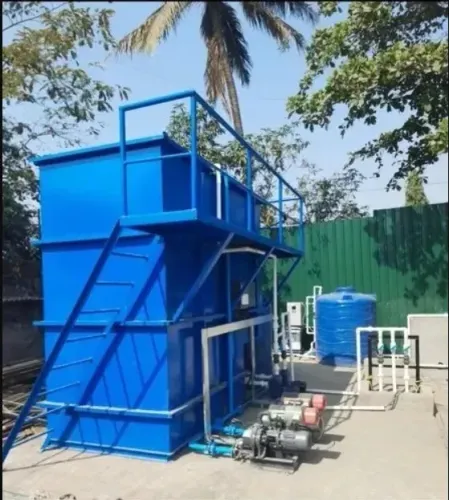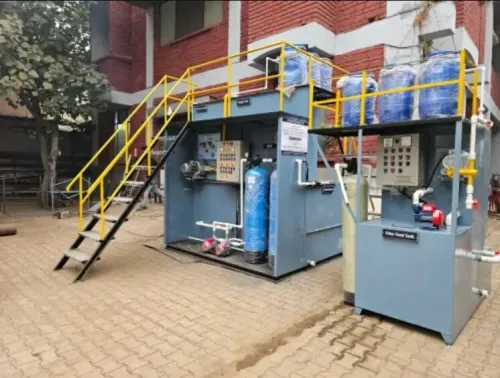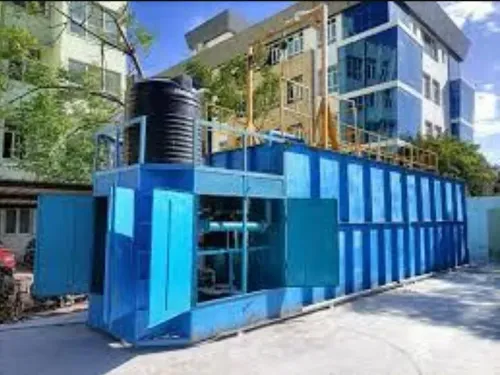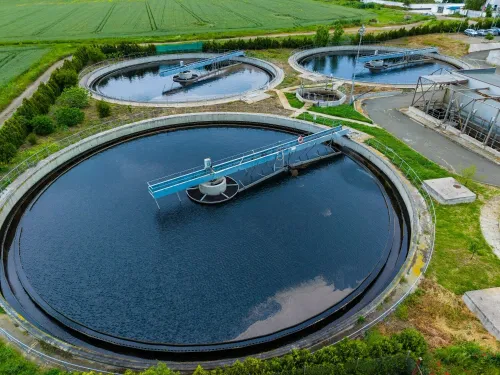
A reactor vessel alone is not a complete anaerobic treatment plant. To compare proposals properly, you need to see the inlet works, biological design basis, gas system, post-treatment, safety provisions and sludge-handling boundary item by item.
Key takeaways
- Define scope from wastewater inlet through tested treated-water discharge.
- Specify screens, grit removal and equalisation before the UASBR reactor.
- Require design data for flow, COD, temperature, loading and hydraulic retention time.
- Include biogas safety, post-treatment, sludge handling and commissioning tests.
Draw the boundary around the complete plant scope
A complete UASBR plant for anaerobic treatment scope in Nagpur runs from the wastewater inlet to a tested, compliant treated-water outlet, not merely to the reactor wall. The base package includes:
1. Inlet and protection: collection sump, coarse and fine screens, screenings handling, grit removal, equalisation tank, duty-and-standby feed pumps, sampling point, magnetic or ultrasonic flow meter, level control, and oil-and-grease removal where required. Include segregation or emergency holding for toxic, high-sulphide or off-specification wastewater.
2. Process treatment: pH and alkalinity correction with dosing pumps, storage for routine chemicals, temperature monitoring, the UASBR vessel, internal feed distribution, sludge-bed sampling, gas–liquid–solid separation, sludge withdrawal, overflow launder, level instruments and inspection access. Specify foundations, tanks, bunds, pipe trenches, access platforms and drainage under civil works.
3. Gas and utilities: sealed biogas collection, condensate removal, hydrogen-sulphide treatment, flame arrestor, pressure and vacuum protection, gas flow measurement, safe venting or flaring, electrical panels, cabling, earthing, controls and operator access. Heating, gas storage, a boiler or generator, odour-control equipment, tertiary filtration, nutrient removal, disinfection and mechanical sludge dewatering are separate options.
The supplier’s scope must include commissioning, seed sludge, operator training, spare parts, performance testing, sludge testing and disposal, and reject-water or filtrate return. For municipal sewage, add aerobic polishing or another finishing process: the anaerobic reactor alone does not reliably meet suspended-solids, ammonia, pathogen, nutrient or disinfection limits.
Specify the inlet works and protection before the reactor
Start with a measured design flow stated in m3/day, then route wastewater to a collection sump with coarse screening for rags, plastics and large debris. This protects the feed pumps and the anaerobic sludge blanket reactor in Nagpur from avoidable blockages.
1. Add fine screening and grit removal when fibres, sand or settleable solids could block distributors or consume reactor volume. Include screen-cleaning equipment, a defined cleaning method and disposal of screenings.
2. Provide equalisation for batch discharges and variable industrial flows. The tank must smooth hydraulic and organic peaks and provide a controlled point to segregate off-spec wastewater before it reaches the reactor.
3. Specify duty-and-standby feed pumps, a magnetic or ultrasonic flow meter, an influent sampling point and level control. Add oil-and-grease removal when fats, oils or floating scum are present; these materials create scum, channeling, blocked feed lines and sludge-bed disturbance.
4. For UASBR wastewater treatment applications in Nagpur, screen incoming streams for solvents, disinfectants, cleaning chemicals, high sulphide, salinity and abrupt pH changes. Use stream segregation or an emergency holding tank for incompatible or off-spec influent instead of sending a toxic shock into the biology.
5. Include pH correction and alkalinity dosing because volatile-fatty-acid accumulation can acidify the sludge blanket. Add temperature control when measured wastewater temperatures fall below the selected operating range; use wastewater readings, not Nagpur ambient temperature, for design.
Make the biological and hydraulic design basis visible
COD concentration alone cannot size an anaerobic sludge blanket reactor in Nagpur. Require measured average, minimum and peak flow; COD; soluble and total BOD; TSS; volatile fatty acids; alkalinity; pH; temperature; sulphate and sulphide; oil and grease; nutrients; salinity; and inhibitory chemicals.
- Ask for hydraulic retention time, organic loading rate in kg COD/m3/day, allowable upflow velocity, sludge-bed height, separator loading, influent-solids limit, peak-flow allowance and expected COD removal.
- Require the drawing to show feed distribution, internal supports, sludge blanket, sampling points, gas dome, gas–solid–liquid separator, sludge outlet, overflow launder, inspection access, level control and safe maintenance access.
- Request the assumed methane yield and the COD-to-biogas calculation. Reject a generic tank volume or HRT without a sludge-retention calculation.
| Design basis | Controls | Ask the bidder to state |
|---|---|---|
| Hydraulic | Flow capacity and washout risk | Average, minimum, peak flow, upflow velocity and peak allowance |
| Organic | Biomass capacity and acidification risk | COD load, loading rate, expected removal and sludge retention |
| Performance | Whether the guarantee can be tested | Influent, temperature, loading, sampling method, location and averaging period |
Define guarantees at the reactor outlet, not after polishing. Reactor removal is separate from final treated-water compliance, which follows the consent or reuse requirement. This distinction belongs in every UASBR reactor project scope in Nagpur.
Include biogas control, safety and commissioning in the package
Safe gas handling and staged biological start-up belong in the anaerobic treatment plant in Nagpur package, not in a later variation order. Methane creates fire and explosion hazards; hydrogen sulphide is toxic, corrosive and dangerous at low concentrations.
- Include a sealed gas dome or collection header, condensate or moisture trap, flame arrestor, pressure and vacuum protection, pressure-control valve, gas flow meter, hydrogen-sulphide management, safety valve, flare and safe venting arrangement.
- Add a gas holder, scrubber, boiler connection or generator connection only when gas quantity, energy demand and project economics justify the equipment.
- Specify gas detectors, forced ventilation, earthing and bonding, emergency shutdown, reachable isolation valves and classified or hazardous-area electrical equipment where the risk assessment requires it.
- Cover inlet works, equalisation tanks and sludge areas where odour extraction and treatment are needed; keeping the reactor away from occupied areas does not remove this duty.
Commissioning must use active anaerobic sludge or suitable granular sludge, with the supplier identified in the contract. Check gas-line leaks, vessel integrity, instruments, alarms and interlocks before loading.
Start with gradual hydraulic loading, then increase organic loading under a defined acclimatisation plan. Full-load operation can wash out biomass, accumulate volatile fatty acids and delay methane production when wastewater is toxic or intermittent.
Name the operator responsible for tracking pH, alkalinity, ORP, VFA, gas flow and methane content. Define controlled load reduction triggers, such as falling pH, rising VFA, declining methane or abnormal pressure, in the UASBR reactor project scope in Nagpur.
Match post-treatment, sludge handling and the supplier’s responsibility
Compare the quote against the outlet you must achieve, not the reactor’s headline COD-removal percentage. An anaerobic treatment plant in Nagpur needs guaranteed outlet values tied to influent assumptions, winter and night temperature, peak flow, averaging period, sampling point and exclusions.
| Option | Required result | Scope check |
|---|---|---|
| Aerobic polishing | Residual biodegradable COD and ammonia | Confirm aeration, secondary clarification and sludge return |
| Clarification or filtration | Suspended-solids limit | Identify clarifier, tertiary filter, backwash and reject return |
| Nutrient removal | Specified nitrogen or phosphorus limit | Name the biological or chemical process and chemical consumption |
| Disinfection | Reuse or sanitary discharge | Specify UV or chlorination, contact time, treated-water storage and monitoring |
State whether tertiary filtration, treated-water storage, reject return and online compliance monitoring are included. A UASBR plant for anaerobic treatment scope in Nagpur is incomplete if the vendor guarantees reactor removal but excludes the process that produces compliant water.
Define the sludge boundary in the UASBR reactor project scope in Nagpur. Identify excess anaerobic sludge storage, drying beds or mechanical dewatering, filtrate or centrate return, sludge testing, transport, odour control and final use or disposal. Also assign routes for condensate, screen waste and every reject stream.
Require a signed responsibility matrix assigning civil construction, piping, cabling, control panels, chemicals, laboratory testing, operator training, maintenance and regulatory documentation. S K ENTERPRISES can use it to separate supplied equipment from site work and align reactor, post-treatment and compliance documents with the Nagpur site.
Related product
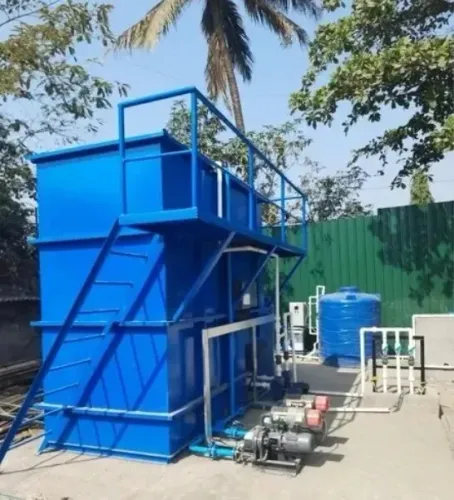
 | WASTE WATER TREATMENT UPFLOW ANAEROBIC SLUDGE BLANKET REACTOR UASBR An upflow anaerobic sludge blanket (UASB) reactor is a type of anaerobic digester used for wastewater treatment, particularly for high-strength... View product → |
Frequently asked questions
What does a complete UASBR plant scope include?
It includes the wastewater inlet, screening and protection, equalisation, UASBR reactor, biogas system, post-treatment, sludge handling, controls, testing and a compliant treated-water outlet.
What inlet works are needed before a UASBR reactor?
Specify inlet channels, coarse and fine screens, a grit or solids removal step, flow measurement, pumping where required, and equalisation to protect the anaerobic sludge blanket.
Which design data should the UASBR project scope state?
State average and peak flow, wastewater temperature, pH, COD, BOD, suspended solids, sulphate, toxicity risks, organic loading, hydraulic retention time and the required outlet quality.
What biogas safety equipment belongs in the plant package?
Include gas collection, condensate removal, pressure and vacuum protection, flame arrestors, isolation valves, a flare or approved gas-use system, methane and hydrogen sulphide detection, ventilation and hazardous-area controls.
What should commissioning cover for an anaerobic treatment plant in Nagpur?
Commissioning should cover leak checks, instrument calibration, pump and valve testing, controlled sludge seeding, staged loading, biogas verification, operator training, performance testing and handover records.
Keywords