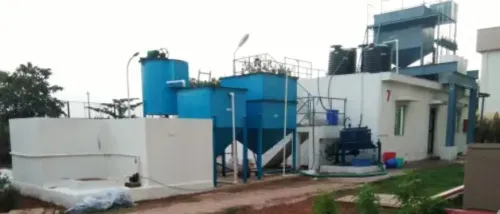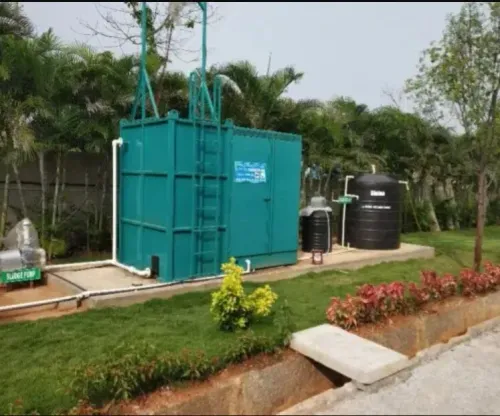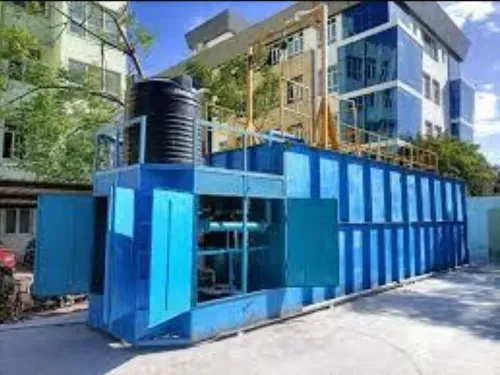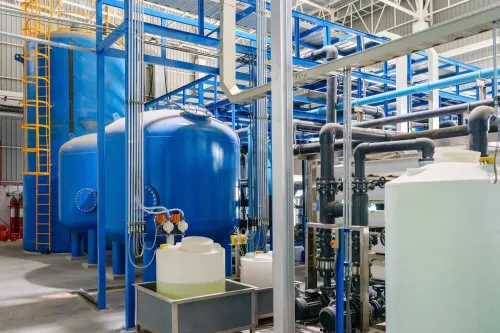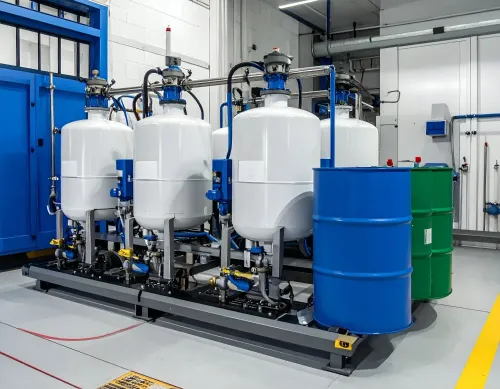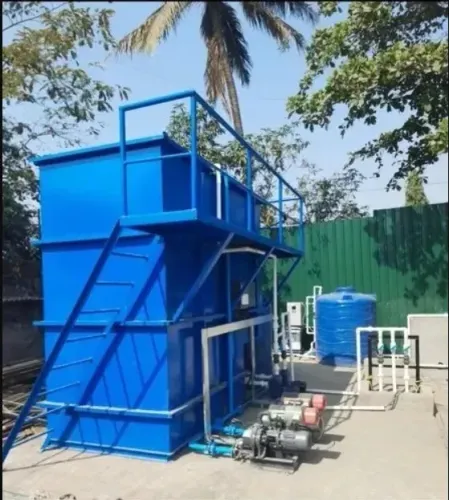
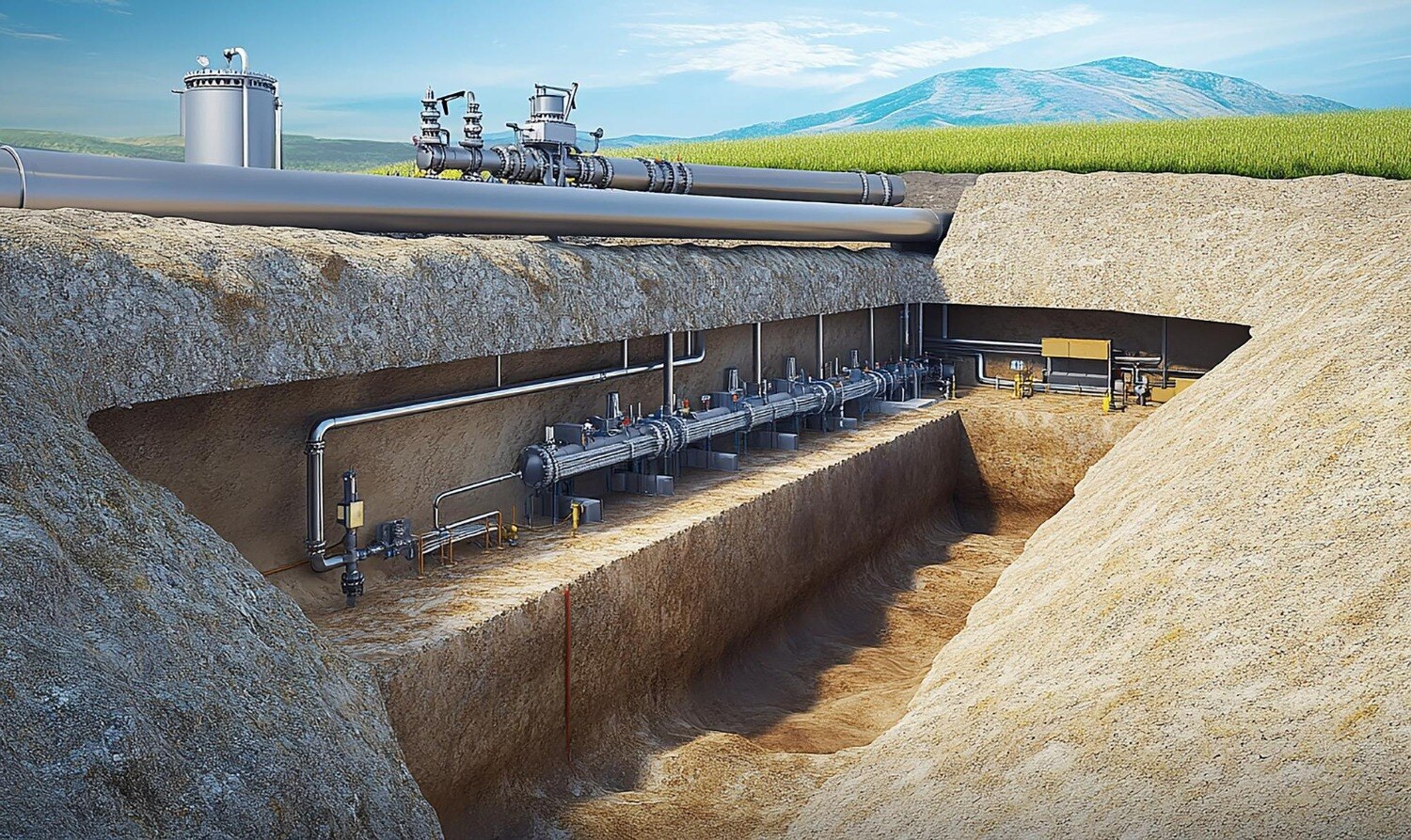
Choosing below-ground treatment is not simply a question of saving land. You need to compare excavation, groundwater, access, energy, safety, reuse quality and regulatory obligations against the practical advantages of a surface plant. By the end, you can test a proposal against site data, operating risks and whole-life cost before selecting an STP layout.
Key takeaways
- Compare vehicle access, ventilation, tanks and lifting space—not only buried footprint.
- Use measured peak flow and Nagpur groundwater conditions to size the STP.
- Price excavation, waterproofing, access and maintenance risks across the plant’s life.
- Set treated-water quality targets before choosing underground or surface installation.
Underground vs Surface STP: Compare the Whole Site, Not Just the Footprint
The deciding difference is total site requirement, not the tank’s buried footprint. An underground STP can preserve parking or landscaping, but it still needs desludging-vehicle access, ventilation outlets, electrical panels, chemical storage, treated-water tanks, emergency drainage and lifting equipment. Compare those areas with the complete surface installation.
| Option | Physical advantages | Physical and environmental burdens |
|---|---|---|
| Underground STP | Preserves visible open space; reduces visual impact and roof-level equipment noise | Requires excavation, reinforced concrete, waterproofing, dewatering, ventilation and confined-space controls |
| Surface STP | Easier inspection, lifting, expansion and repair; simpler natural ventilation | Uses visible land and can create noise, odour and visual screening requirements |
| Either system | Can support treated-water reuse and controlled sludge handling | Must manage peak flow, odour, floodwater, power demand and the selected discharge or reuse route |
In an underground vs surface STP decision, check soil bearing capacity, groundwater level, monsoon flood risk and excavation depth before comparing quotations.
A low process level can use gravity from the incoming sewer, but pumps may still be needed for sludge transfer, treated-water reuse, washdown and emergency drainage; include their pumping head and annual operating hours in the energy model.
A sound underground STP plant comparison also checks whether operators can isolate equipment, remove covers and lift pumps without unsafe chamber entry. Burial is not automatically greener: compare embodied concrete and steel, waterproofing, ventilation energy, maintenance access, sludge handling, replacement work and water-reuse performance across the plant’s life.
Check Nagpur Site Conditions and Size the Plant from Real Flow
Do not approve an underground plant from tank dimensions alone. Compare the full requirement: excavation width and depth, soil bearing capacity, seasonal groundwater, retaining works, access roads, ventilation outlets, electrical panels, chemical storage, treated-water tanks, desludging vehicles and lifting equipment. Burial frees surface space, but it does not remove these needs.
Before approving a commercial underground stp in nagpur, record:
- Soil investigation results, including bearing capacity, groundwater level and excavation stability.
- Monsoon drainage paths, flood level and the route for stormwater away from access covers and ventilation openings.
- Buoyancy calculations for empty tanks, concrete crack-control details, external waterproofing, joint waterstops and any permanent dewatering system.
- The measured sewage flow from water bills, inlet records or temporary flow monitoring—not the plot’s occupancy alone.
- Design flow calculated from occupancy, actual water consumption, the sewage fraction, peak hourly flow and infiltration or inflow.
- Space for tanker turning, emergency overflow control, future capacity, sludge removal and safe maintenance access.
The reuse route decides the operating brief. Toilet flushing, cooling-tower makeup and landscaping require defined filtration, disinfection, residual control, storage time and cross-connection protection; sewer or surface-water discharge follows the conditions in the applicable Maharashtra Pollution Control Board consent.
An underground stp plant—sustainable water for solutions—works only when the site can stay dry, remain serviceable and produce the required reuse quality. If groundwater, monsoon flooding or vehicle access makes those controls costly, a surface system is the safer choice.
Compare Construction Risk and Whole-Life Cost Before Choosing Burial
An underground STP can cost more over its life when difficult excavation, high groundwater or restricted access turns routine maintenance into civil work. Dewatering, deep reinforced-concrete construction, waterproofing and flood protection raise the initial bill; buried pumps, blowers and membranes then cost more to inspect, lift and replace.
| Option | Cost advantage | Cost risk |
|---|---|---|
| Underground STP | Releases surface area and reduces visible noise and visual impact | Excavation, shoring, dewatering, waterproofing, ventilation, lifting equipment and confined-space controls |
| Surface STP | Easier inspection, expansion, desludging and equipment replacement | Uses more visible land and needs stronger screening, acoustic control and odour management |
| Either system | Can support treated-water reuse and lower freshwater purchases | Poor influent control, standby capacity or disinfection creates energy, compliance and replacement costs |
For an underground stp plant comparison, demand equivalent site boundaries: include ventilation outlets, electrical panels, chemical storage, treated-water tanks, emergency overflow control, tanker access and lifting zones. Comparing buried tank dimensions with a surface plant’s full operating area produces a misleading quotation.
Ask for a 20-year whole-life schedule covering electricity, sludge removal, preventive maintenance, waterproofing repairs, equipment replacement, odour treatment and downtime. Underground construction becomes the costlier choice when a monsoon raises groundwater, vehicles cannot reach access points, or a failed pump requires breaking concrete.
Sustainable sewage treatment solutions must also price reuse quality: water that meets BOD limits but needs repeated polishing or cannot be reliably disinfected will not deliver the expected savings.
Design Access, Ventilation and Maintenance into the Underground Layout
Design the buried plant so routine work happens from grade, not inside a sewage chamber. The maintainability advantage of an underground vs surface STP disappears if operators must climb through a hatch to inspect screens, pumps, diffusers or clarifier mechanisms.
Specify access around every item that needs servicing. Provide removable slabs sized for the largest replacement component, lifting beams or rated hoists, clear equipment-removal paths, and a hardstanding area where a mobile crane can work without blocking emergency access.
Include these provisions in the layout:
- Isolation valves and electrical lockout points for each pump, blower, process line and chemical feed system.
- A bypass or holding arrangement that keeps sewage contained while one process tank is drained or repaired.
- Drainage sumps with automatic pumps, high-level alarms and a safe discharge route.
- External panels showing tank levels, pump status, blower faults and alarm history.
- Forced ventilation with discharge points away from occupied areas; use hydrogen-sulphide, methane and oxygen monitoring where the risk assessment requires it.
- Guarded openings, controlled-entry procedures and a rescue plan for any unavoidable confined-space entry.
Do not treat an open hatch as ventilation. Hydrogen sulphide, methane and oxygen-deficient air can remain dangerous below ground after the cover is removed.
For a commercial underground STP in Nagpur, require standby power, duty-standby pumps and blowers, high-level alarms, and a documented sludge-removal route. Record preventive maintenance and test alarms; an underground fault can remain hidden until tank levels rise or treated-water quality fails.
Use Reuse Quality, Approvals and a Buyer’s Checklist to Make the Final Decision
The sustainable choice is the system that delivers the required reuse quality with the lowest whole-life burden, not the one that disappears below ground. An underground STP plant for sustainable water solutions can save visible land, but added pumping, ventilation, waterproofing, confined-space controls and lifting equipment can outweigh that benefit.
Use this decision procedure:
1. Define the end use: toilet flushing, cooling-tower makeup, landscaping or discharge. Specify turbidity, filtration, disinfection method, residual disinfectant, storage duration and cross-connection protection; BOD and COD alone do not verify dependable reuse water.
2. Match the route to Maharashtra Pollution Control Board conditions. Confirm whether the project needs Consent to Establish and Consent to Operate, then check the consent conditions for sewer discharge, surface-water discharge, irrigation reuse or flushing reuse. Obtain the required monitoring schedule and test parameters in writing.
3. Compare both layouts using annual blower and pump energy, embodied concrete and steel, groundwater-control work, sludge removal, odour treatment, replacement access and reuse volume. Include standby power, spare pumps, high-level alarms and a response plan for disinfection failure.
4. Demand an operability pack: process-flow diagram, equipment schedule, duty and standby capacities, access dimensions, isolation points, lifting plan, confined-space procedure, ventilation and odour-treatment design, alarm list, preventive-maintenance schedule and commissioning tests.
5. Ask S K ENTERPRISES, or any supplier, to demonstrate how operators will inspect, isolate and repair every major component without entering a tank during routine work. Reject a design that cannot show safe access and measurable reuse performance.
Related products
 | SEWAGE TREATMENT PLANT An Underground Sewage Treatment Plant (USTP) is a compact sewage treatment system designed to be installed underground, offering a space-saving... View product → |
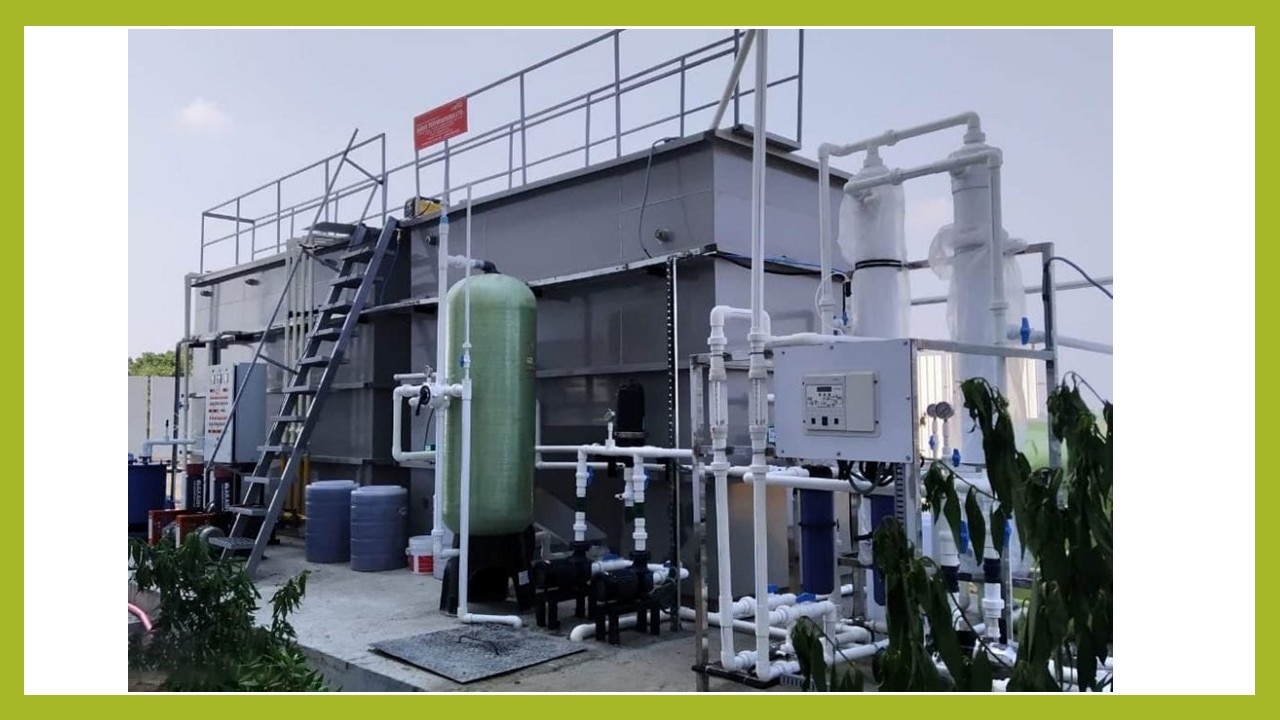 | SEWAGE TREATMENT PLANT COMMERCIAL SEWAGE TREATMENT PLANT A commercial sewage treatment plant (STP) treats wastewater from businesses, industries, and commercial buildings to meet environmental regulations... View product → |
Frequently asked questions
Is an underground STP always more space-efficient than a surface system?
No. Compare the full site requirement, including desludging access, ventilation outlets, electrical panels, chemical storage, treated-water tanks, emergency drainage and lifting equipment.
What site conditions must you check before building an underground STP in Nagpur?
Check groundwater level, soil bearing capacity, excavation depth, monsoon drainage, nearby foundations, utility routes and access for construction and desludging vehicles.
Which costs should you compare before choosing a buried STP?
Compare excavation, shoring, waterproofing, structural concrete, ventilation, pumping, lifting equipment, maintenance access, energy use and eventual repair costs.
What should an underground STP layout include for safe maintenance?
Provide personnel access, removable covers, ventilation, gas monitoring, lighting, electrical isolation, confined-space controls, drainage and a clear route for equipment removal.
Related product
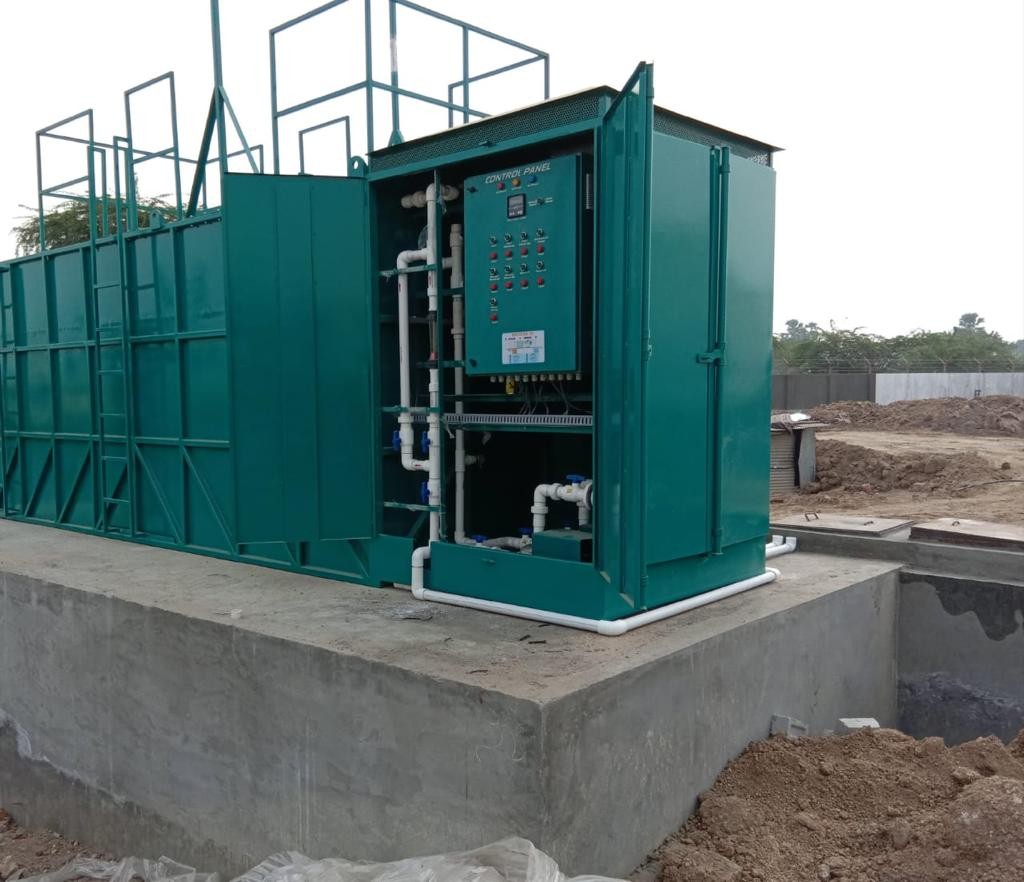 | SEWAGE TREATMENT PLANT MEMBRANE BIO-REACTOR (MBR) STP PLANT An MBR STP plant is a Sewage Treatment Plant that uses Membrane Bioreactor (MBR) technology to combine biological treatment with membrane filtration,... View product → |
Keywords