Choosing an installer is not the same as choosing an equipment brand. You need a contractor that can match the treatment process to your factory’s wastewater, prove performance against Maharashtra Pollution Control Board consent conditions, and remain accountable through commissioning and operation.
Key takeaways
- Choose an EPC integrator responsible for design, installation, commissioning and operation.
- Give the installer flow, pollutant loads, discharge limits and site constraints.
- Compare guaranteed outlet quality, energy use, sludge handling and lifecycle costs.
- Put performance tests, operator training, spares and maintenance duties in the contract.
Which type of company should install your industrial ETP?
Choose an EPC contractor or water-treatment integrator that accepts responsibility from process design through civil works, mechanical and electrical installation, instrumentation, commissioning and operation and maintenance. An industrial ETP installer in Nagpur is accountable for the complete system, not merely for delivering equipment.
| Role | What it covers | What it does not cover |
|---|---|---|
| EPC or integrator | Design, construction, installation, commissioning and O&M | — |
| Equipment manufacturer | Supplies a DAF, MBBR, SBR, RO system or evaporator | Overall plant performance |
| Commissioning specialist | Starts and tests installed equipment | Original process design |
| O&M provider | Operates an existing installation | Construction or design liability |
Test relevance by requesting reference sites with the same industry, wastewater chemistry, daily and peak flow, batch-discharge pattern and final destination. A plant that treats continuous food-processing wastewater proves little about a pharmaceutical batch discharge or high-TDS stream.
For Butibori, Hingna and Kalmeshwar projects, confirm these site conditions before selecting equipment:
- Plot dimensions and expansion space
- Underground drainage levels and sewer or tanker interfaces
- Separate monsoon storm-water drainage
- Available electrical load and connection point
- Sludge-truck turning and loading access
- Chemical-delivery vehicle access and safe storage
Require equalisation, pH control and treatability or toxicity testing for solvents, disinfectants, heavy metals, high salinity or shock loads. Also demand a sludge plan covering thickening or dewatering, cake storage, characterisation and legal disposal. The right industrial ETP installer in Nagpur sells full-system accountability, not a catalogue purchase.
What information must the installer receive before designing the plant?
1. Give the industrial wastewater treatment contractor in nagpur a measured design brief before accepting any process proposal. Include daily flow, peak hourly flow, batch-discharge volumes, production schedules, shutdown periods, planned expansion and separate flow readings for sanitary sewage and industrial effluent.
2. Attach raw-effluent results for pH, COD, BOD, TSS, oil and grease, colour, temperature, conductivity, TDS, ammonia or total Kjeldahl nitrogen, total phosphorus and heavy metals. Add sector-specific contaminants such as solvents, disinfectants, dyes, active pharmaceutical ingredients and high-salinity streams.
3. Require a mass balance based on pollutant loads, not hydraulic capacity alone. The submission must state sampling dates, sample locations, composite or grab sampling method and laboratory test methods, so you can trace every design value to evidence.
4. Reject diluted samples as a design basis: they hide peak concentrations and produce undersized equalisation, chemical dosing and sludge systems. Average-flow sizing misses batch shocks, while selecting an MBBR or SBR from one COD result ignores toxicity, biodegradability and nutrient balance.
5. For toxic, corrosive or inhibitory wastewater, require jar testing, treatability testing or a documented toxicity assessment before choosing biological treatment. The proposal must show equalisation and pH control where needed, plus the operating response to a solvent, disinfectant, heavy-metal, high-salinity or batch shock load.
How should you compare treatment designs, quotations and sustainability claims?
Compare lifecycle risk, not the quoted plant price. Require both bidders to complete the same schedule, using measured loads and the same outlet objective.
| Item | Proposal A | Proposal B |
|---|---|---|
| Treatment capacity | m³/day and peak m³/hour | m³/day and peak m³/hour |
| Inlet design range | pH, COD, TSS, TDS and temperature limits | pH, COD, TSS, TDS and temperature limits |
| Guaranteed outlet | Values, sampling point, method and consecutive days | Values, sampling point, method and consecutive days |
| Destination | MPCB discharge, CETP or reuse application | MPCB discharge, CETP or reuse application |
| Chemicals | kg/day, chemical names and cost basis | kg/day, chemical names and cost basis |
| Sludge | kg/day wet and dry, dewatering and disposal route | kg/day wet and dry, dewatering and disposal route |
| Power | kWh/day and connected load | kWh/day and connected load |
| Blowers and pumps | Separate kW, duty hours and standby units | Separate kW, duty hours and standby units |
| Automation and monitoring | PLC/SCADA, flow, pH and required pollutant data | PLC/SCADA, flow, pH and required pollutant data |
| Operator staffing | People per shift and competency | People per shift and competency |
| Civil-work scope | Foundations, tanks, drainage, buildings and exclusions | Foundations, tanks, drainage, buildings and exclusions |
The process narrative must link equalisation, neutralisation, coagulation-flocculation, primary clarification, biological treatment, tertiary filtration and disinfection to identified pollutants. Reject a copied sequence that gives no reason for each stage.
Define sustainable water solutions for factories through a water-and-energy balance: segregated high-strength streams, counter-current rinsing, chemical recovery, rainwater separation, treated-water reuse, RO recovery and reject volume, blower and pump energy, sludge generation, fresh-water offset and hazardous-sludge disposal.
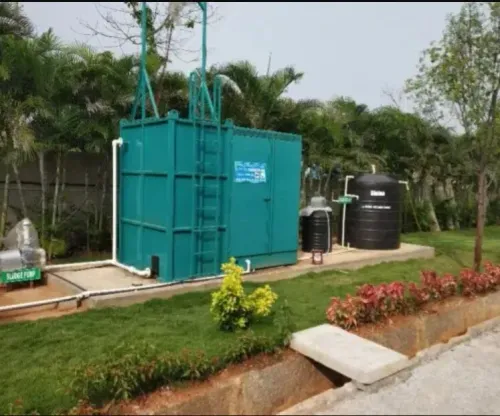
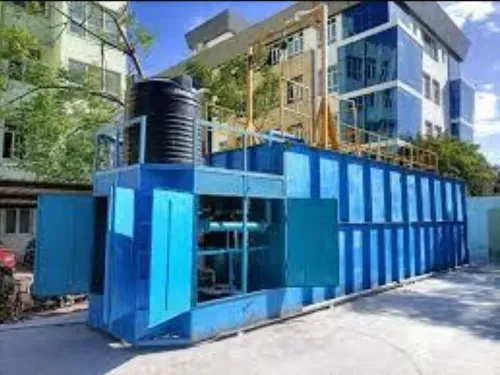
A compact, modular or containerized plant is not automatically sustainable; footprint and installation speed do not prove lower energy, lower sludge or higher recovery.
Check the design against the MPCB consent, Environment (Protection) Rules industry standards and any common effluent treatment plant inlet or discharge agreement.
What must the contract cover from construction through operator handover?
Name one accountable EPC integrator, then assign deliverables to the designer, equipment supplier, installer, commissioning team and operator. The written scope must cover foundations, tanks, pipelines, electrical panels, single-line diagrams, PLC or SCADA, instruments, chemical storage, ventilation, sludge-removal access and safe chemical handling.
| Stage | Gate and responsibility | Contract evidence |
|---|---|---|
| Mechanical completion | Installer proves construction, alignment, pressure tests and safe access | Punch list, drawings and calibrated instruments |
| Wet commissioning | Commissioning team runs water and effluent when available | Shutdown plan, permits and factory-access dates |
| Biological stabilisation | Process team controls seed, nutrients, loading and biology | Daily logs and control limits |
| Performance testing | Integrator proves outlet and resource guarantees | Approved sampling and test protocol |
| Final handover | Operator accepts the working plant | SOPs, training, spares and backups |
Do not promise a universal installation period: tie each stage to effluent availability, production shutdowns, permits and access at the factory. Guarantees must state inlet flow and pollutant load, sampling points, composite or grab samples, test methods, consecutive compliant days, utility and chemical limits, sludge quality and corrective-action obligations.
Require calibration records, jar testing, biological-process control, membrane-cleaning instructions, sludge dewatering, hazardous-sludge characterisation and legal disposal, maintenance logs, SOPs, operator training, critical spares, response times and PLC or SCADA backups. Evaluate S K ENTERPRISES alongside other Nagpur integrators against this evidence, not equipment supply alone.
That is the contract test for a sustainable industrial effluent treatment plant for installer in Nagpur.
Related products
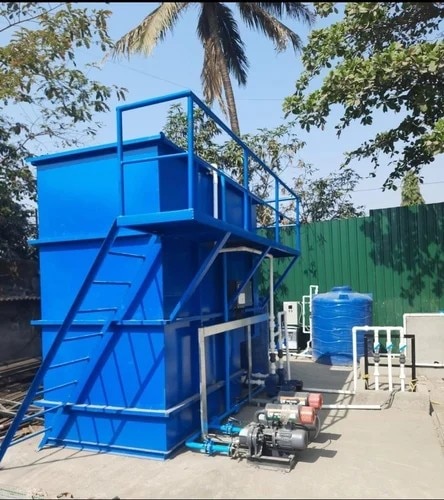 | EFFLUENT TREATMENT PLANTS A package ETP (Effluent Treatment Plant) is a compact, pre-engineered, and often skid-mounted wastewater treatment system designed for quick... View product → |
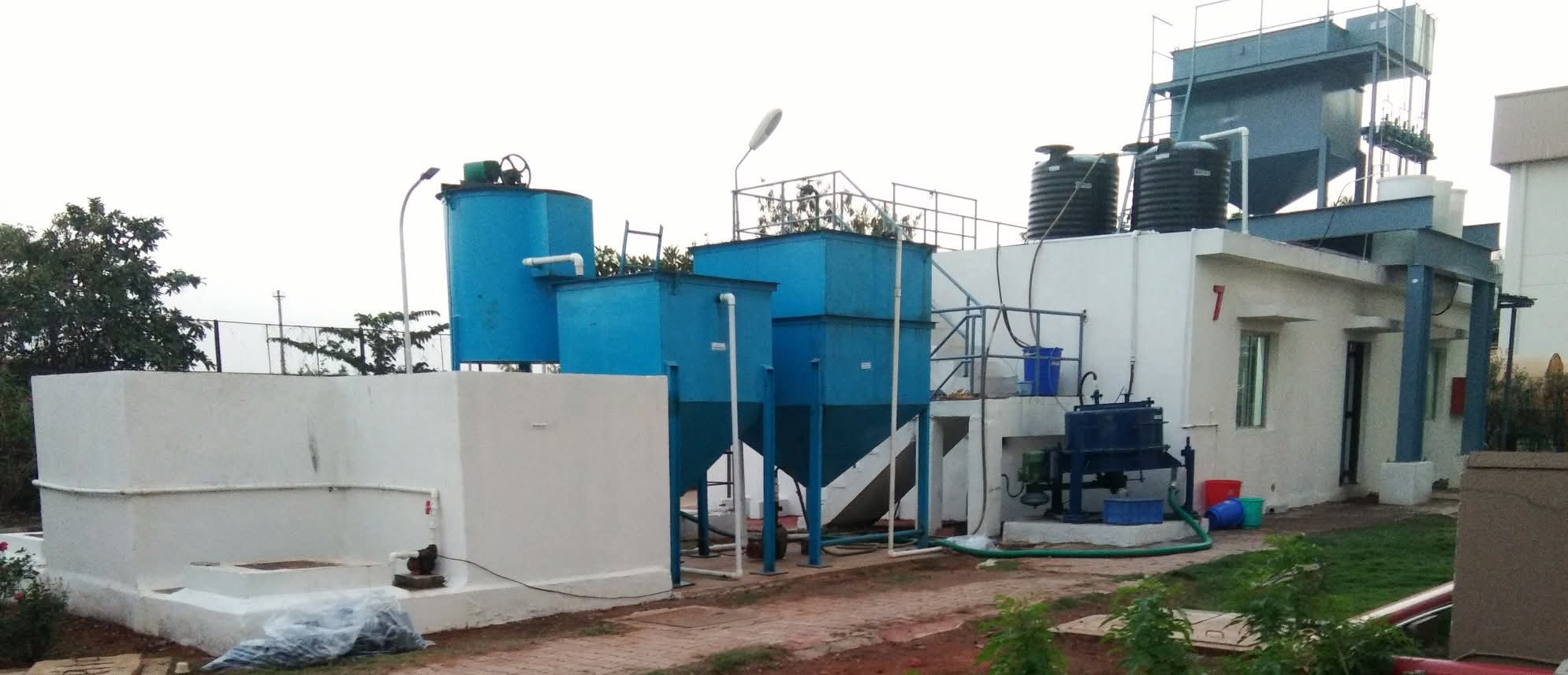 | EFFLUENT TREATMENT PLANTS INDUSTRIAL EFFLUENT TREATMENT PLANT An Industrial Effluent Treatment Plant (ETP) is a system that processes contaminated wastewater from industries (like textiles, pharma, food) using... View product → |
What should you ask before appointing an industrial wastewater contractor in Nagpur?
A contractor must accept performance risk, not merely install equipment. Before appointing an industrial wastewater treatment contractor in Nagpur, ask for evidence that it can manage your actual discharge pattern and remain accountable after handover.
1. Request comparable factory references, consent-support documents, audited P&IDs, as-built drawings, electrical diagrams, commissioning records, outlet test results, O&M staffing plans and post-commissioning support terms.
2. Put performance risk in writing. Ask who responds when a batch discharge, shock load, high-TDS stream or production change reaches the plant, and require an action plan covering equalisation, diversion, sampling, process correction, reporting and corrective costs.
3. Map the monitoring package to your MPCB consent and applicable CPCB directions. Confirm flow and pH measurement, required pollutant tests, data logging, calibration certificates, communications and regulator access; do not assume online monitoring has one identical form for every factory.
4. Demand a sludge route, not just a machine. Confirm thickening or dewatering, polymer assumptions, cake storage, sludge characterisation, authorised transport and disposal. A filter press alone is not a disposal plan.
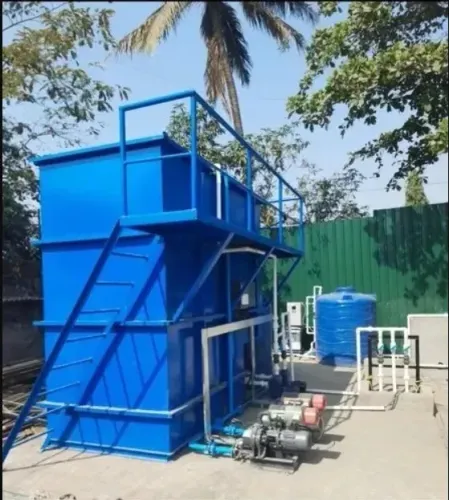
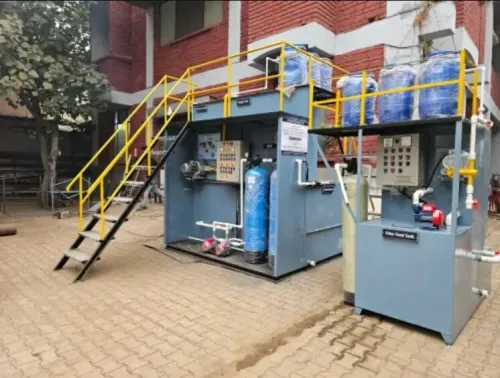
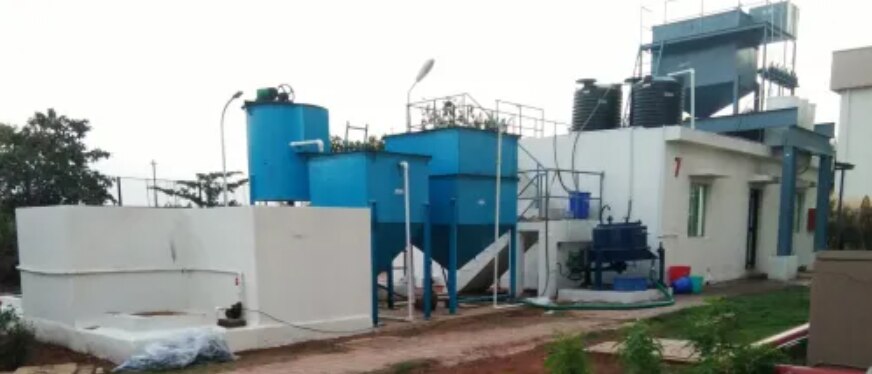
Packaged, modular or containerized equipment is the wrong choice for corrosive effluent, high flow, major flow swings, inadequate sludge space, planned expansion or high water-recovery targets. A sustainable industrial effluent treatment plant for installer in Nagpur must fit the site and future load.
Reject proposals using average-flow sizing, diluted testing, sewage mixed with industrial effluent, unpriced civil work, unclear RO-concentrate disposal or a one-sample outlet guarantee. Capture these checks before signing.
Frequently asked questions
Which company should install an industrial ETP in Nagpur?
Choose an EPC contractor or water-treatment integrator that covers process design, civil works, mechanical and electrical installation, instrumentation, commissioning and operation and maintenance.
What information does an ETP installer need before designing the plant?
Provide wastewater flow by shift, pH, temperature, pollutant concentrations, production changes, discharge or reuse targets, available area, utilities and site conditions.
How should you compare industrial ETP quotations?
Compare guaranteed treated-water quality, design capacity, energy and chemical consumption, sludge management, automation, civil scope, commissioning tests and total lifecycle cost.
What should an industrial wastewater treatment contract cover?
Define equipment and civil scope, performance guarantees, testing methods, acceptance criteria, warranties, operator training, spare parts, maintenance, documentation and responsibilities during handover.
Related products
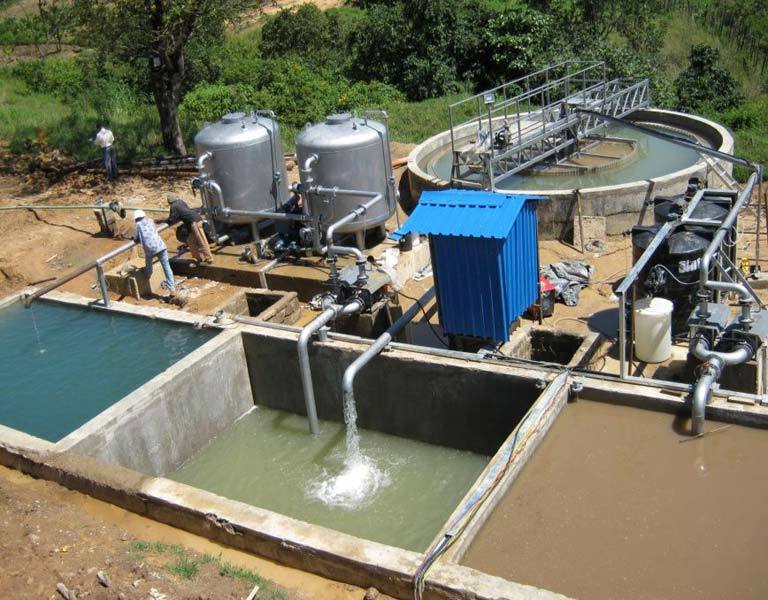 | WASTE WATER TREATMENT (ETP) SK Enterprises offers innovative and effective Effluent Treatment Plant (ETP) solutions to manage industrial wastewater and ensure... View product → |
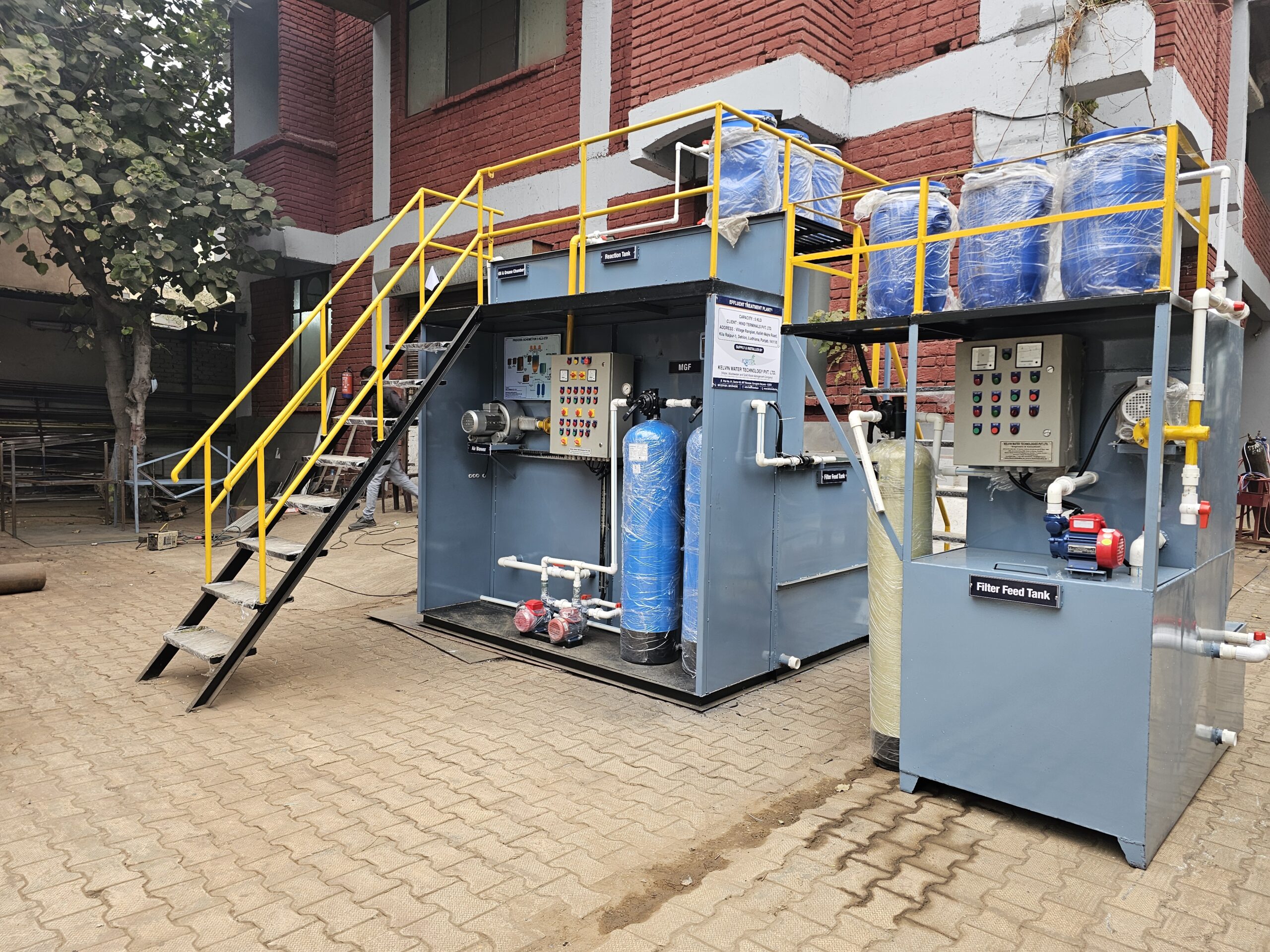 | EFFLUENT TREATMENT PLANTS A modular ETP can be configured to include multiple treatment stages, with each module handling a specific function. View product → |
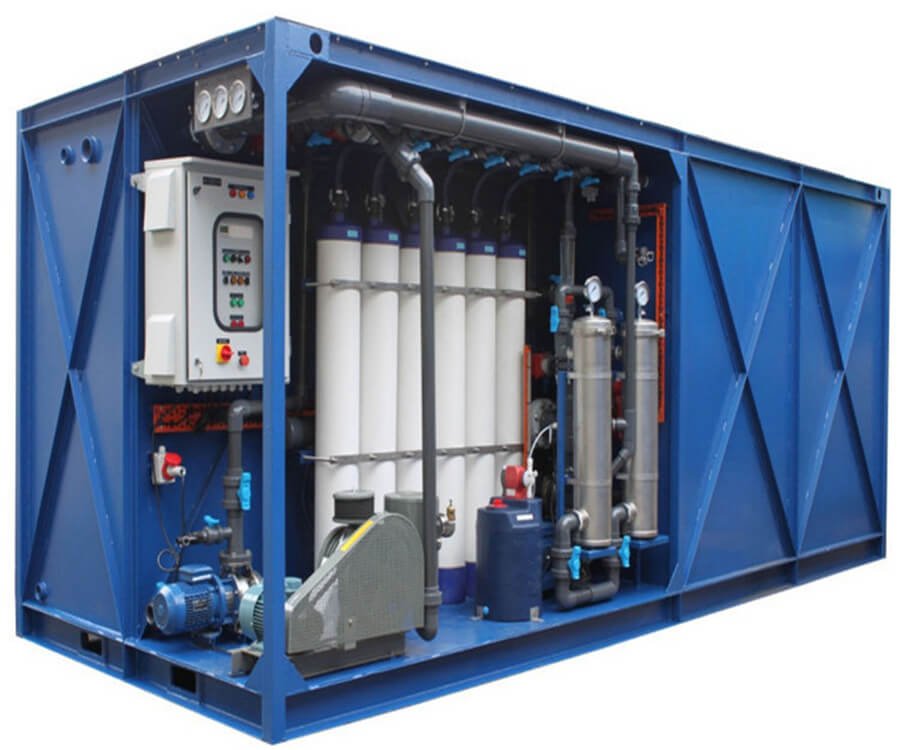 | EFFLUENT TREATMENT PLANTS A containerized effluent treatment plant (ETP) is a complete, self-contained wastewater treatment system built inside a shipping container. View product → |
Keywords