The right SBR capacity cannot be chosen from connected occupancy or a supplier’s KLD label alone. You will be able to turn flow records, peak surges, pollutant loads, operating schedules and expansion plans into a defensible plant size and a comparable purchase specification.
Key takeaways
- Measure inflow across a full 24-hour operating cycle.
- Select KLD capacity from measured flow, peaks and wastewater strength.
- Check reactor volume and equalization against shift-based inflow.
- Compare quotations by treated-water performance, not ₹/KLD alone.
Start with a 24-hour flow profile, not the connected population
A connected population is only a starting estimate. Measure the wastewater entering the proposed SBR across a full 24-hour period, because a facility with the same population can produce very different flows during shifts, kitchen operation, laundry use, or production hours.
Record these inputs at the inlet or calculate them from metered water use:
- Minimum overnight flow and average daily flow
- Maximum hourly flow and maximum daily flow
- Wet-weather flow, including infiltration through drains or damaged sewers
- Water used for cooling, gardening, cleaning, or other purposes that does not become sewage
- Occupancy, operating hours, production volume, and planned expansion
Use the measured daily volume to estimate cycles and decanting: daily wastewater flow = cycles per day × decanted volume per cycle. The basin cannot be sized at exactly the daily flow; retained settled sludge and operating freeboard occupy part of its volume.
For example, a 100 m³/day plant receiving high-COD industrial wastewater is not equivalent to one treating dilute domestic sewage at the same flow.
SBR plant capacity selection must therefore use hydraulic and pollutant loading together. Check whether peak inflow will compress filling, reaction, settling, or decanting. Equalization can flatten that peak, while two reactors or treated-water storage can maintain continuous reception when one basin is settling.
Specify the low-level decanter shutdown too; poor settling can otherwise pull sludge into the outlet and defeat the guaranteed TSS value.
Match KLD capacity bands to the facility and its load
A 20 KLD plant can suit a small office, but not if kitchens, toilets and washing operate at a sharp morning peak. Select the SBR wastewater treatment plant size in Nagpur from measured daily flow, maximum-hour flow, occupancy, operating hours and expansion plans—not from the connected population alone.
| Capacity band | Suitable starting fit | Check before selecting |
|---|---|---|
| 10–25 KLD | Small offices, shops and commercial premises | Confirm water used for cooling, kitchens or cleaning does not enter the sewer |
| 25–100 KLD | Restaurants, schools, hostels and small hotels | Allow for occupancy swings, laundry peaks and a balancing tank |
| 50–250 KLD | Hospitals, larger hotels and residential complexes | Separate clinical chemicals, disinfectants and high-strength kitchen waste |
| 100–500+ KLD | Factories, industrial estates and large campuses | Test COD, BOD, pH, temperature, oil, salinity, metals and toxic compounds |
These bands are screening points, not final selections. A 100 KLD nameplate is installed hydraulic capacity; actual daily throughput depends on the equalization tank, cycle schedule, reactor volume and pollutant load. Equalization can protect an SBR from a two-hour surge more effectively than simply adding reactor volume.
A hospital or hotel with intermittent occupancy may need two basins or treated-water storage if reuse water must be available while one basin settles or decants. An industrial site receiving 100 m³/day of high-COD effluent needs more biological capacity than a site receiving the same volume of dilute sewage.
Check the selected capacity against Maharashtra Pollution Control Board consent conditions and the destination: sewer, surface water, gardening, toilet flushing or cooling-tower makeup. Future production and occupancy growth belong in the design basis.
Check peak flow against cycles, equalization and reactor volume
A peak-hour inflow that arrives during settling or decanting can disrupt solids separation, even when the daily KLD looks adequate. Size the schedule from the 24-hour profile: daily flow equals cycles per day multiplied by decanted volume per cycle.
- Set the cycle sequence—fill, react or aerate, settle, decant and idle—against the measured inflow pattern. Longer settling or decanting improves separation but reduces cycles per day and hydraulic throughput.
- Limit the decanted volume to protect the sludge blanket and retain freeboard. Total reactor volume must also include settled sludge that remains after decanting.
- Size transfer pumps for the maximum required flow during filling and decanting, not only the average daily flow. Check duty and standby pumps against the peak-hour rate, discharge head and available operating hours.
- Add an equalization tank when hotels, hospitals, schools, labour camps or factories produce short, sharp surges. Its outlet can feed the SBR at a controlled rate, preventing a peak from shortening the fill, settle or decant windows.
- Provide parallel basins when inflow continues while one basin settles or decants, or when one reactor cannot complete enough cycles per day. More basins provide scheduling flexibility; simply enlarging one basin does not solve every peak-flow conflict.
For industrial SBR wastewater treatment in Nagpur, compare average flow, peak inflow, equalization volume and biological reactor volume separately. A quotation that states only installed KLD capacity can hide inadequate pumps, insufficient balancing storage or too few operating basins.
Use wastewater characterisation to prevent an undersized process
An SBR must be sized for both hydraulic flow and pollutant loading. Two facilities sending 100 m³/day are not equivalent if one produces dilute domestic sewage and the other discharges high-COD industrial effluent.
1. Measure pH, temperature, conductivity or salinity, BOD, COD, readily biodegradable COD, TSS, oil and grease, ammonia, colour, solvents, disinfectants and heavy metals. Record production batches and cleaning cycles because a short toxic discharge can damage biomass even when the daily average looks acceptable.
2. Use the results to set biological capacity, not only tank volume. High COD can require larger aeration capacity, longer reaction time, staged feeding, higher sludge inventory and a larger equalization tank. Low readily biodegradable COD can require an external carbon source or a different nutrient-removal strategy.
3. Segregate inhibitory streams before they reach the biology. Solvents, concentrated chemicals, metal-bearing rinses, high-salt liquor and strong cleaning solutions may need source control, physicochemical pretreatment or controlled dosing into equalization; sending them directly to the SBR can cause foaming, poor settling or biomass loss.
4. Exclude Nagpur monsoon runoff from the sewage design. Roof drains, surface water and leaking sewers create short hydraulic surges that can reduce fill, settle and decant time; provide stormwater separation or a defined bypass and equalization arrangement.
5. Specify decanter protection as part of treatment capacity. Require supernatant withdrawal without disturbing the sludge blanket, plus low-level shutdown, because poor settling can turn an apparently adequate aeration system into an outlet-TSS failure.
Compare Nagpur quotations by performance scope, not ₹/KLD
A ₹/KLD figure is not a comparable specification. Before comparing sequencing batch reactor plant cost in Nagpur, issue every bidder the same design brief, including these items:
- Design flow: average, minimum, maximum-hour, maximum-day and wet-weather flow; operating hours; future expansion allowance; and equalization volume.
- Influent and guaranteed effluent: BOD, COD, TSS, ammonia, total nitrogen, pH, temperature, oil and grease, conductivity, salinity, colour, metals, solvents and disinfectants.
- Cycle sequence: fill, anoxic mixing, aerobic reaction, settling, decant and idle durations. Low total nitrogen requires anoxic time, mixing without aeration, carbon availability and adequate sludge age.
- Decanter protection: state the guaranteed outlet TSS, settled-blanket clearance and low-level shutdown that prevents sludge withdrawal when settling fails.
- Scope: civil or containerized tanks, pretreatment, tertiary filtration, disinfection, sludge dewatering, automation, online instruments, chemical dosing, standby blowers and pumps, electrical backup, spares, installation, commissioning and operator training.
- State the sludge disposal route, chemical consumption, power supply, standby philosophy and performance-test conditions, including sampling points and test duration.
Scope comparison is clearer when quotations use the same baseline:
| Scope | Include in the quote | What a low quote may omit |
|---|---|---|
| Biological | Reactor volume, cycles, aeration and decanter | Equalization or nitrogen-removal provisions |
| Compliance | Tertiary treatment, disinfection and instruments | Guaranteed effluent testing |
| Industrial | Segregation and physicochemical pretreatment | Toxicity controls and sludge handling |
S K ENTERPRISES can help convert measured site data into a comparable SBR schedule, rather than pricing an unqualified KLD number. Ask every sbr plant manufacturer in Nagpur to sign the same performance schedule.
Related product
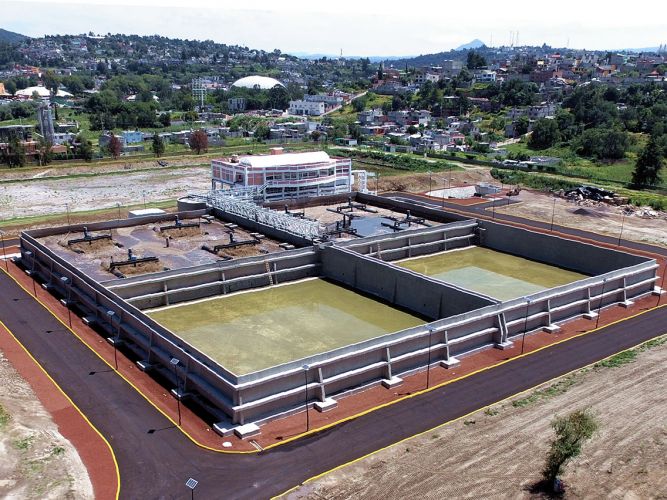 | WASTE WATER TREATMENT SEQUENCING BATCH REACTOR (SBR) for wastewater treatment The sequencing batch reactor (SBR) is a fill-and- draw activated sludge system for wastewater treatment. View product → |
Frequently asked questions
How do you choose an SBR wastewater treatment plant size in Nagpur?
Measure wastewater entering the facility over 24 hours, then match KLD capacity to average flow, peak flow, operating cycles and wastewater strength.
Why is connected population insufficient for SBR plant capacity selection?
The same population can produce different wastewater volumes because shifts, kitchens, laundries and production hours change the daily flow pattern.
How should peak flow be checked against an SBR plant?
Compare the measured hourly peaks with equalization volume, SBR cycle timing and reactor volume so short inflow surges do not overload the process.
What wastewater tests help prevent an undersized SBR plant?
Characterise the wastewater before sizing, including flow and pollutant loads relevant to the facility, because high-strength wastewater requires more treatment capacity than volume alone indicates.
How should you compare SBR wastewater treatment quotations in Nagpur?
Compare guaranteed treated-water performance, included equipment, testing scope, civil and electrical work, commissioning support and operating requirements instead of comparing only ₹/KLD.
Keywords