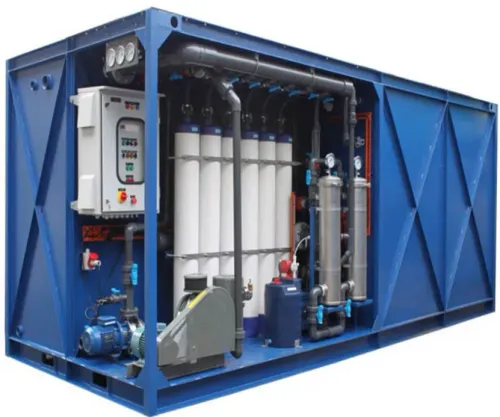
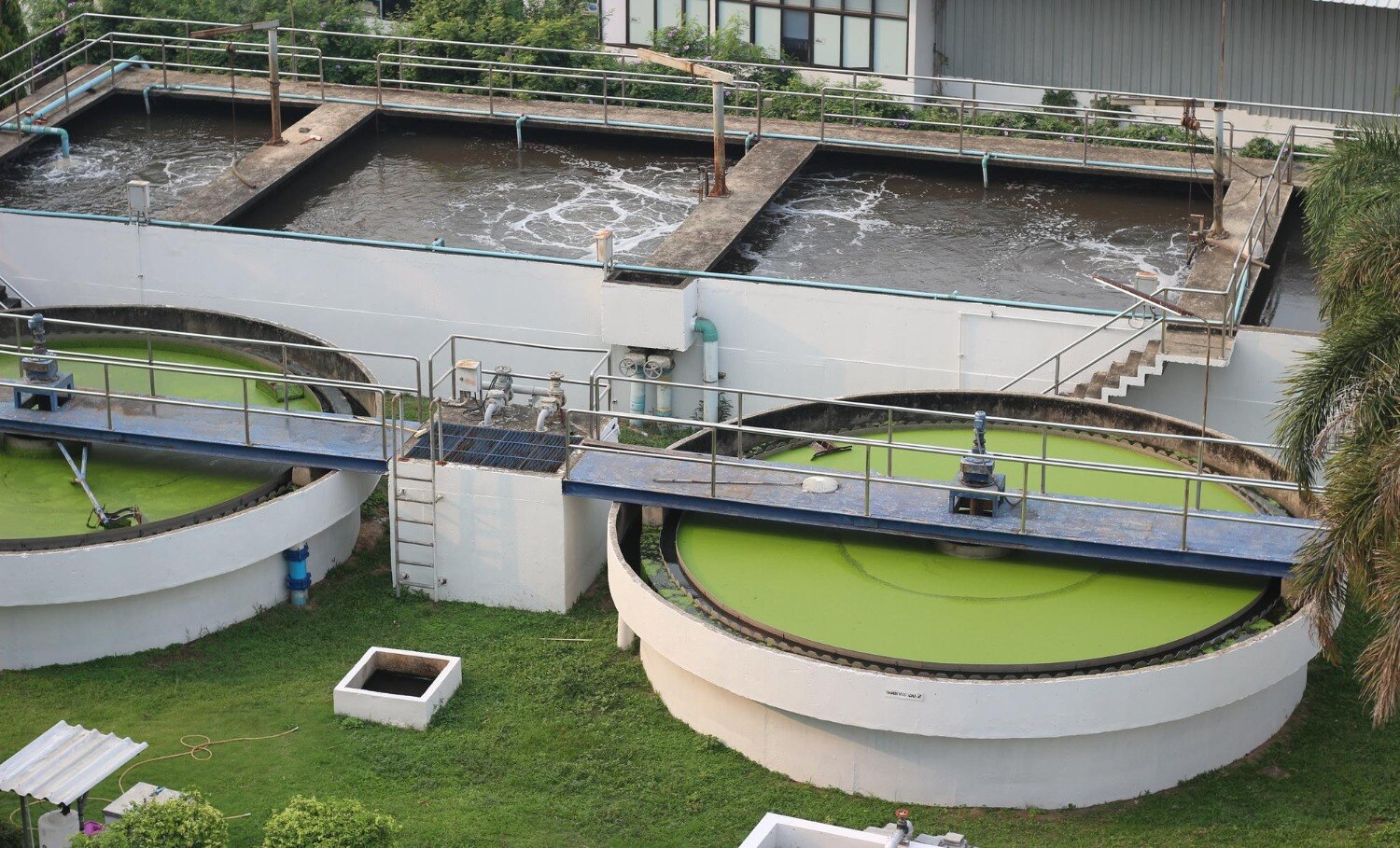
A Nagpur business needs to identify which wastewater streams require treatment, where the treated water will go, and what Maharashtra Pollution Control Board conditions apply before it selects an ETP. By the end, you will be able to classify your discharge, prepare reliable design data, compare treatment stages, and assess whether a proposal can support lawful operation.
Key takeaways
- Check whether your wastewater contains process chemicals, oil, colour, salts, or abnormal organic load.
- Confirm the MPCB consent, discharge route, and required monitoring before selecting equipment.
- Sample wastewater across operating shifts before fixing ETP capacity or treatment stages.
- Compare energy, sludge, testing, maintenance, and compliance costs—not only capital price.
Which Nagpur businesses need an ETP for discharge?
A business needs an ETP when its wastewater differs from ordinary domestic sewage in pH, colour, odour, solids, oil, chemicals, salts, or organic load. That practical test covers food processors, hospitals, healthcare facilities, hotels, laundries, automobile workshops, vehicle service centres, engineering units, laboratories, printing units, commercial kitchens, and other premises with process wastewater.
| Business type | Likely wastewater | Treatment route |
|---|---|---|
| Food processor or commercial kitchen | Food solids, grease, high BOD, wash water | ETP, often with screening and grease removal |
| Hospital, healthcare facility, or laboratory | Disinfectants, chemicals, pathogens, laboratory waste | ETP or combined strategy; segregate hazardous streams |
| Hotel or laundry | Laundry chemicals, surfactants, colour, kitchen grease | STP for domestic sewage plus ETP or pretreatment |
| Workshop, service centre, or engineering unit | Oily drainage, metals, chemical rinsing | ETP with oil separation and pollutant-specific treatment |
| Printing or manufacturing unit | Ink, solvents, production effluent, wash water | ETP based on chemical and organic load |
Toilet, washroom, and ordinary domestic kitchen flows belong in an STP. Chemical rinsing, boiler blowdown, cooling-tower blowdown, RO reject, laboratory waste, oily drainage, production effluent, and process wash water require an ETP for commercial wastewater or a combined treatment strategy. Keep domestic sewage, process effluent, stormwater, and high-strength batches separate where possible.
A municipal sewer connection does not remove pretreatment duties or Maharashtra Pollution Control Board consent when an industrial effluent outlet exists. The same distinction guides an ETP for businesses with wastewater discharge in Nagpur: identify trade effluent, sewage, or both before selecting treatment.
What MPCB approvals and discharge routes govern the ETP?
For an effluent treatment plant in Nagpur, obtain MPCB Consent to Establish before constructing or installing the treatment and discharge arrangement. Obtain Consent to Operate before starting the industrial activity or discharging effluent.
Use this sequence:
- Read the consent conditions for the permitted outlet, flow, discharge parameters, monitoring duties, sampling points, and receiving medium.
- Name the design route: inland surface water, public sewer, land for irrigation, reuse, or a common effluent treatment plant.
- Compare the treatment target with Schedule VI of the Environment (Protection) Rules, the industry-specific standard, MPCB limits, sewer-owner conditions, and CETP inlet criteria. Apply the strictest applicable limit.
- If the outlet is a public sewer, obtain written limits for pH, temperature, oil and grease, toxic substances, solids, and peak flow. Pretreatment remains necessary where the sewer owner or downstream STP requires it.
- If a cluster or industrial estate sends effluent to a CETP, confirm permitted flow, pollutant and toxicity limits, metering, equalisation, emergency storage, acceptance charges, and written operator conditions.
For industrial wastewater discharge treatment in Nagpur, connection to a CETP changes the treatment target, not the duty to meet its inlet requirements. A sewer connection also does not replace MPCB consent when an industrial effluent outlet exists.
Make the receiving medium explicit in the water balance before selecting equipment. Reuse or ZLD is not automatically required; the consent, water balance, salinity, recovery target, concentrate route, and operating cost decide whether it is justified.
What wastewater data and sampling are needed before sizing?
An ETP for businesses with wastewater discharge in Nagpur must be sized from measured flow and pollutant loading, not from incoming water supply alone. A business wastewater treatment system sized on water bills can miss cleaning surges, batch discharges, membrane backwash, tanker unloading, and seasonal peaks.
1. Collect water bills, flow-meter records, production quantity, operating hours, batch and cleaning schedules, raw-material and chemical inventories, existing drain drawings, tank volumes, and the proposed discharge point.
2. Measure average and peak flow, hourly variation, batch volume, and short-duration hydraulic or contaminant shocks. Record these during production, cleaning, shift changes, and other activities that alter discharge.
3. Test pH, BOD, COD, TSS, oil and grease, ammonia, chloride, sulphate, heavy metals, colour, and temperature. Add pathogen indicators where healthcare, food, reuse, or receiving-water conditions make them relevant.
4. Sample each source before combining it: food production, laundry, workshop, laboratory, healthcare, and domestic lines. Use grab samples for changing or toxic streams and compliance checks; use flow-proportional or time-composite samples for representative daily loading when the stream is well mixed.
5. Record the sampling time, location, flow, production activity, and preservative used. Chill samples at about 4°C and follow the laboratory’s holding-time instructions.
Use a laboratory that reports every parameter required for the proposed outlet and consent application, not only BOD and COD. A narrow report can produce an undersized process or reveal a compliance problem after installation.
How should treatment change by business and pollutant load?
An ETP for commercial wastewater must follow the pollutant profile, not a generic sewage package. Match each stream to the stage that removes its actual contaminant.
| Business or load | Main concern | Treatment response |
|---|---|---|
| Commercial kitchen | Oil, grease, food solids | Screening, solids removal, grease separation |
| Food or beverage production | High BOD and suspended solids | Equalisation, biological treatment, clarification |
| Laundry | Surfactants and colour | Equalisation, coagulation-flocculation, carbon or colour control |
| Workshop or vehicle service area | Free oil and metals | Oil separation, metals management, clarification |
| Chemical process | Acidic or alkaline water | pH correction before downstream treatment |
Use bar screening and solids removal for large particles. Equalisation with mixing, level control, and controlled feed reduces flow, pH, and concentration shocks; it does not remove pollutants. Add oil separation for kitchens, workshops, and vehicle service areas, and pH correction for acidic or alkaline process water.
Coagulation and flocculation, followed by clarification or dissolved air flotation, targets emulsified oil, colour, and suspended solids.
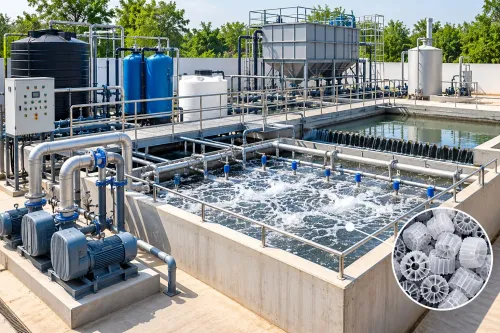
For industrial wastewater discharge treatment in Nagpur, an MBBR is a biological reactor where microorganisms grow on suspended plastic carrier media while aeration supplies oxygen. Protect it from:
- Toxic disinfectants, solvents, antibiotics, metal-bearing batches, or untreated chemical discharges
- High-salinity RO reject, extreme pH, shock loads, poor nutrient balance, or insufficient aeration
Add tertiary filtration, activated carbon, or disinfection only when the outlet, reuse target, colour, dissolved organics, or pathogen risk justifies the extra cost.
How do you judge an ETP proposal beyond its capital price?
A low capital price proves little if the proposal cannot show how the plant will meet your MPCB consent conditions during peak production. For an effluent treatment plant in Nagpur, judge the business wastewater treatment system by its operating commitments, not its equipment list.
1. Require a water and pollutant mass balance, sampling plan, guaranteed inlet assumptions, guaranteed outlet parameters, peak-flow basis, equalisation volume, chemical consumption, power demand, operator duties, alarm settings, bypass philosophy, sludge quantity, and disposal route. Ask which values remain guaranteed during cleaning, batch discharge, and power failure.
2. Make the guarantee apply at the permitted final outlet. An internal tank sample can look compliant while recirculation, dilution, bypasses, multiple outlets, or stormwater connections contaminate the actual discharge. Require flow measurement, pH monitoring, fixed sampling points, and online monitoring or data transmission when MPCB consent conditions require them.
3. Demand a sludge classification and documented handling route, not merely a filter press. If the sludge is hazardous, specify compliant storage, manifest, transport, and authorised disposal or utilisation; include those costs in the operating estimate.
4. Treat reuse, reverse osmosis, evaporation, mechanical vapour recompression or multi-effect evaporation, and zero liquid discharge as site decisions. Compare water balance, salinity, recovery target, concentrate disposal, energy, and continuous-operation demands before approving them.
S K ENTERPRISES can connect site data, treatment selection, installation, monitoring, and discharge documentation for a Nagpur business, but you should still require every guarantee in writing.
Related products
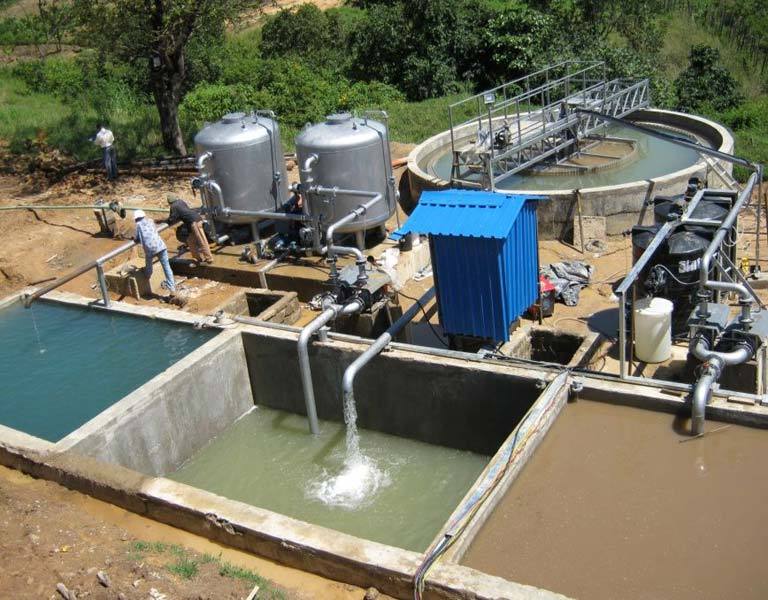 | WASTE WATER TREATMENT (ETP) SK Enterprises offers innovative and effective Effluent Treatment Plant (ETP) solutions to manage industrial wastewater and ensure... View product → |
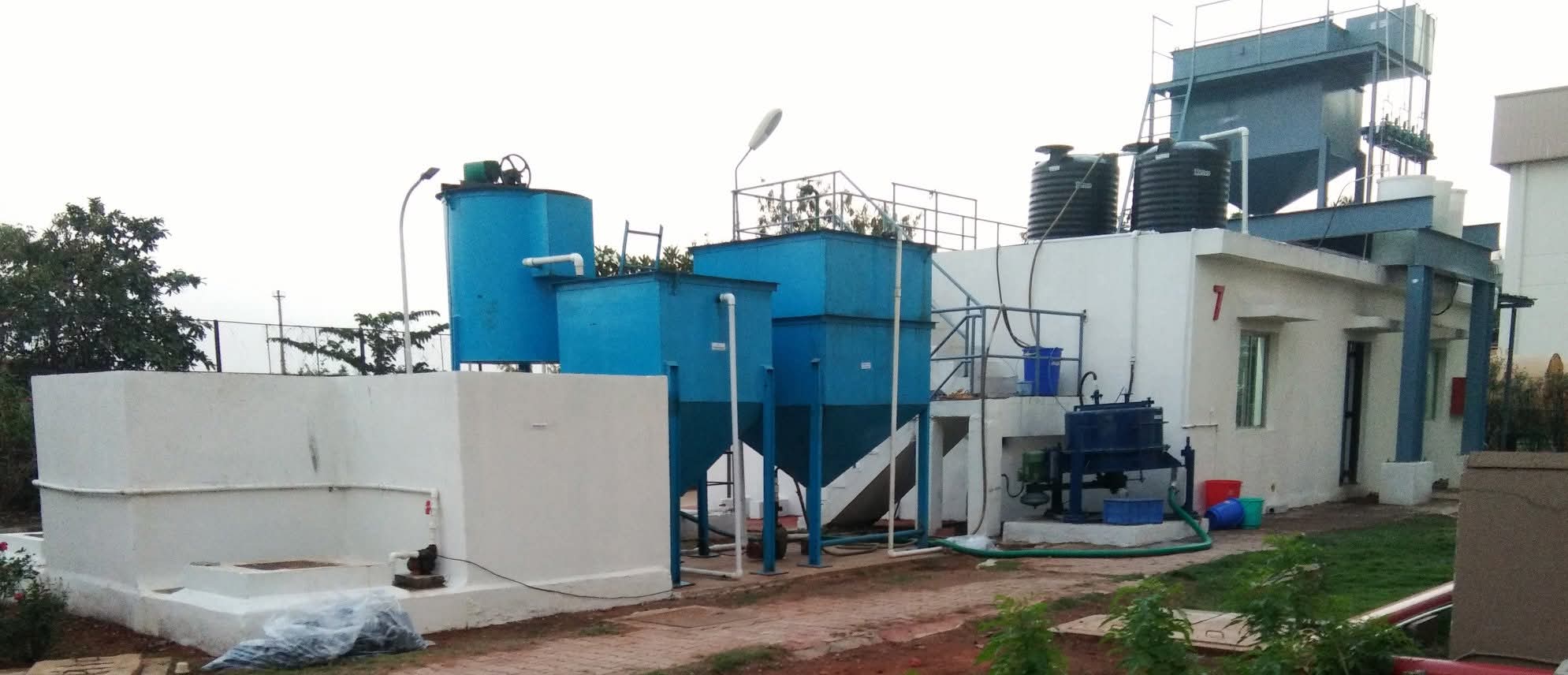 | EFFLUENT TREATMENT PLANTS INDUSTRIAL EFFLUENT TREATMENT PLANT An Industrial Effluent Treatment Plant (ETP) is a system that processes contaminated wastewater from industries (like textiles, pharma, food) using... View product → |
Frequently asked questions
Which Nagpur businesses need an ETP for wastewater discharge?
Businesses need an ETP when their wastewater differs from domestic sewage in pH, colour, odour, solids, oil, chemicals, salts, or organic load. Examples include food processors, hospitals, hotels, laundries, automobile workshops, laboratories, printing units, and commercial kitchens.
What MPCB approvals and discharge routes govern an ETP in Nagpur?
Check the Maharashtra Pollution Control Board consent requirements for your activity, including Consent to Establish and Consent to Operate where applicable. Confirm whether treated effluent will go to a sewer, be reused, or be discharged to land or a water body, because each route has different conditions and monitoring obligations.
What wastewater data is needed before sizing an ETP?
Record flow in kilolitres per day, peak hourly flow, operating shifts, batch variation, and water-use sources. Test representative samples for pH, BOD, COD, TSS, oil and grease, colour, conductivity or TDS, and process-specific pollutants before selecting treatment stages.
How should ETP treatment change by business and pollutant load?
Match treatment to the pollutants: screening and equalisation for variable flows, oil separation for oily wastewater, biological treatment for biodegradable organic load, coagulation and clarification for suspended solids or colour, and polishing or disinfection when reuse requires it.
How do you compare an ETP proposal beyond its capital price?
Compare guaranteed outlet limits, design flow and peak capacity, power consumption, chemical dosage, sludge quantity, operator skill requirements, testing costs, spare parts, maintenance access, warranty, and commissioning support. Ask the supplier to state exclusions and performance conditions in writing.
Related products
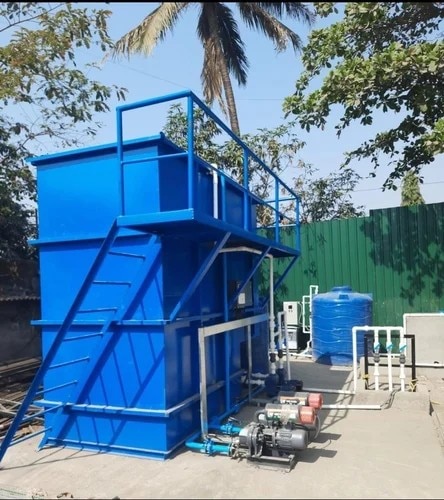 | EFFLUENT TREATMENT PLANTS A package ETP (Effluent Treatment Plant) is a compact, pre-engineered, and often skid-mounted wastewater treatment system designed for quick... View product → |
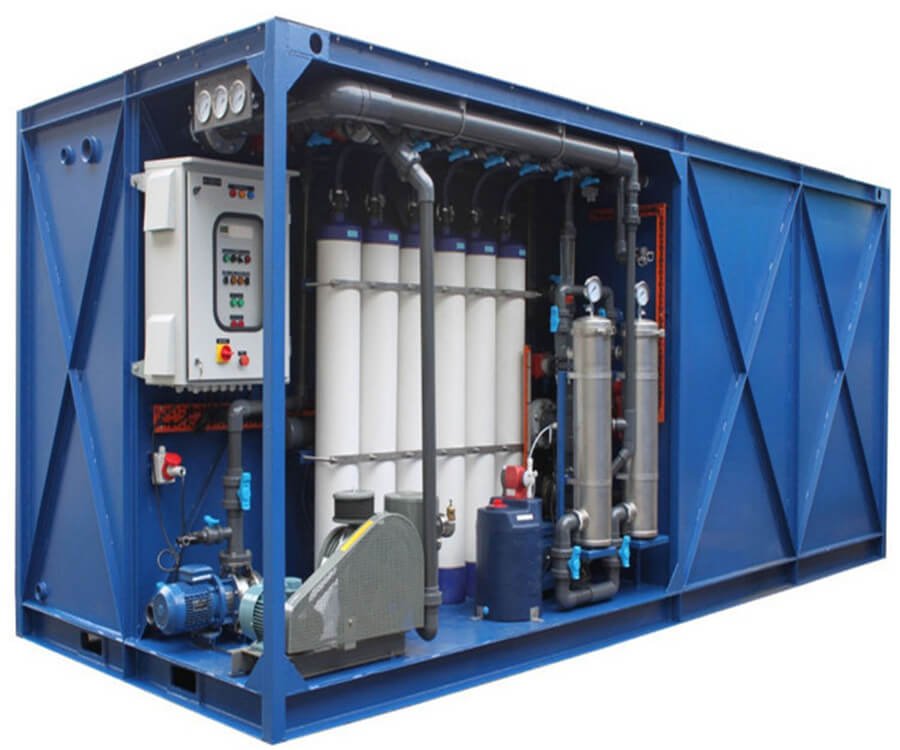 | EFFLUENT TREATMENT PLANTS A containerized effluent treatment plant (ETP) is a complete, self-contained wastewater treatment system built inside a shipping container. View product → |
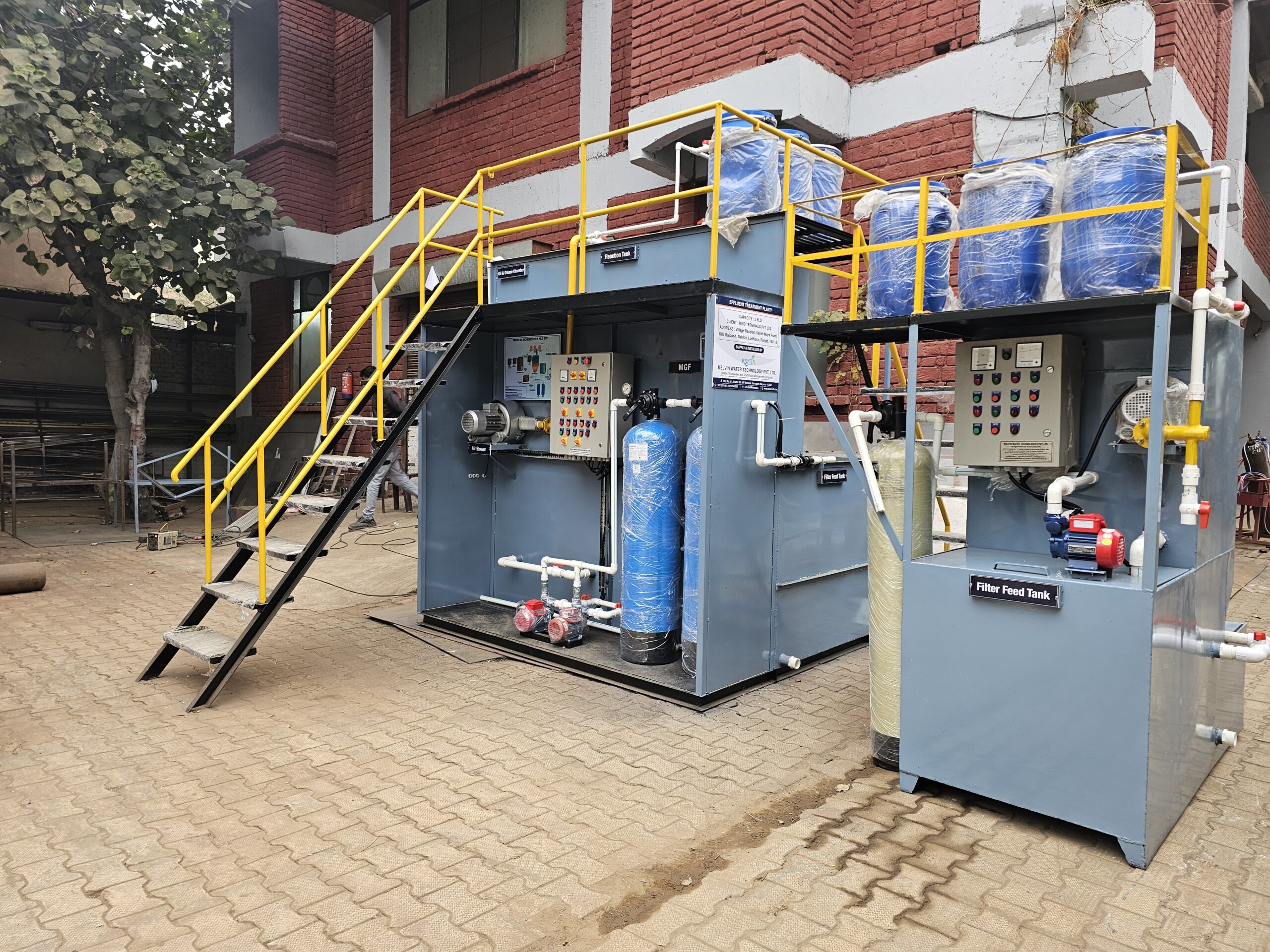 | EFFLUENT TREATMENT PLANTS A modular ETP can be configured to include multiple treatment stages, with each module handling a specific function. View product → |
 | WASTE WATER TREATMENT A sewage treatment plant (STP) is a facility that treats wastewater, primarily from domestic and commercial sources, to remove contaminants and... View product → |
Keywords