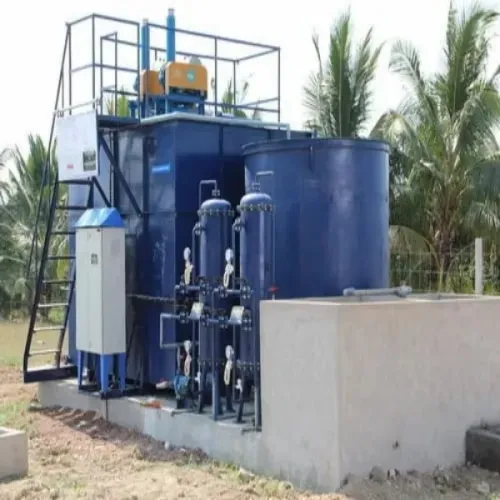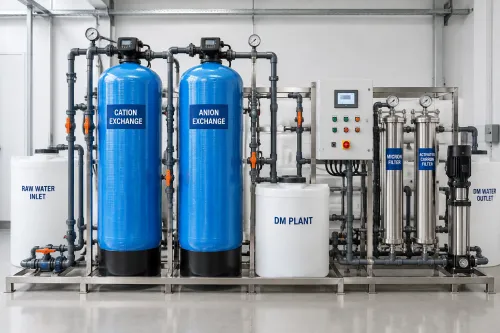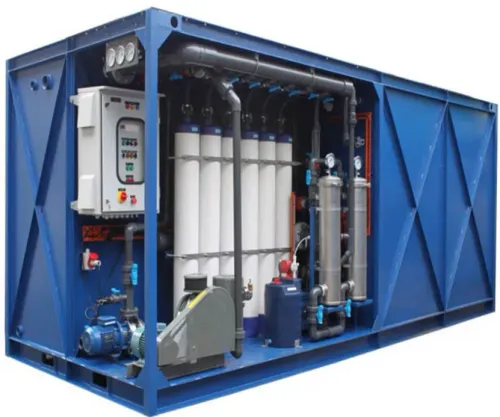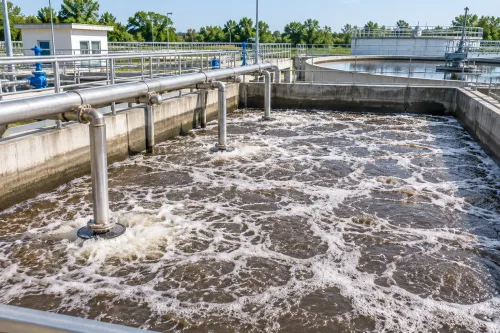
Wastewater treatment removes contaminants from water, but those contaminants do not simply disappear. Many eventually become concentrated in solid or semi-solid residual material that needs to be collected, handled, stored, and managed appropriately.
This makes Sludge Management an important part of treatment planning.
SK Enterprises works with wastewater-treatment projects in Nagpur where residual handling is considered alongside the main treatment requirements.
Where Does Sludge Come From
Residual solids can be generated during several stages of wastewater treatment.
Sources may include:
- Settling processes
- Chemical treatment
- Biological treatment
- Clarification
- Filtration
- Cleaning operations
The quantity and characteristics depend on wastewater composition and the treatment process.
Industrial residuals can also differ substantially from those produced by domestic sewage.
Why Water Content Matters
Fresh sludge can contain a large amount of water.
This increases volume and makes transportation and storage more difficult.
Reducing water content can make residual material easier to handle.
The appropriate method depends on sludge characteristics, quantity, available area, operating resources, and project requirements.
Plan Space Before Construction
Residual handling requires physical infrastructure.
Depending on the project, this can include:
- Holding areas
- Pumps
- Dewatering equipment
- Drainage
- Chemical preparation
- Temporary storage
- Maintenance space
If these requirements are considered only after the main treatment system has been installed, the facility may struggle to find adequate working space.
Avoid Unnecessary Chemical Use
Treatment chemicals can contribute to residual generation.
Using more chemicals than necessary can increase operating costs while producing additional solids that need handling.
Dosing should therefore be controlled according to wastewater characteristics and treatment performance.
Keep Operational Records
Tracking residual generation can reveal useful information.
If sludge quantity suddenly increases, the cause may be related to changes in incoming wastewater, chemical dosing, or process conditions.
Records help operators identify these trends.
Useful information can include:
- Quantity generated
- Frequency of removal
- Moisture condition
- Chemical consumption
- Storage duration
- Handling observations
Consider Access for Operators
Residual handling can become labour-intensive when equipment is difficult to reach.
Plant layout should provide safe and practical access for routine inspection, cleaning, operation, and maintenance.
This is particularly important where space is limited.
For facilities in Nagpur and across Maharashtra, SK Enterprises evaluates wastewater-treatment requirements with attention to practical plant operation and site conditions.
Effective Sludge Management begins before the first batch of wastewater enters the treatment facility.
By considering residual quantity, water content, storage, handling, operator access, and ongoing monitoring during the planning stage, businesses can avoid turning removed contaminants into a separate operational problem.
A complete treatment strategy should account for both the quality of treated water and the material left behind after treatment.
Keywords