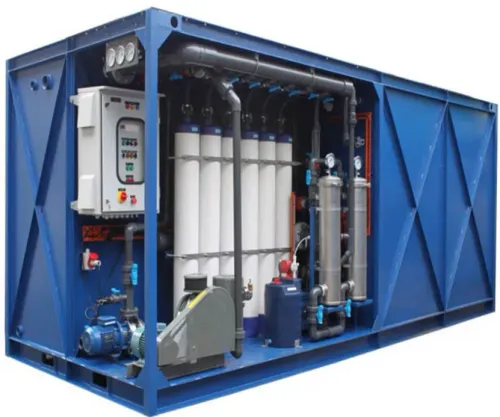

Water treatment becomes more demanding when conventional separation methods cannot provide the required level of water quality. Fine particles, microorganisms, colloidal matter, and other contaminants may require a more precise separation process.
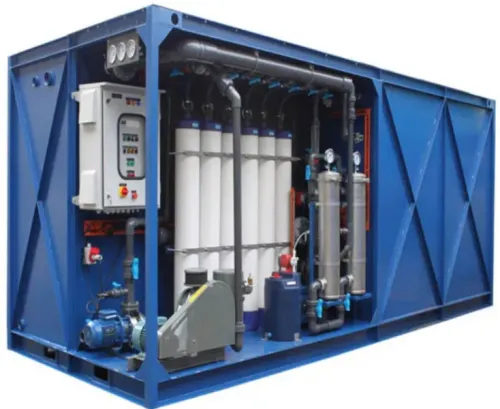
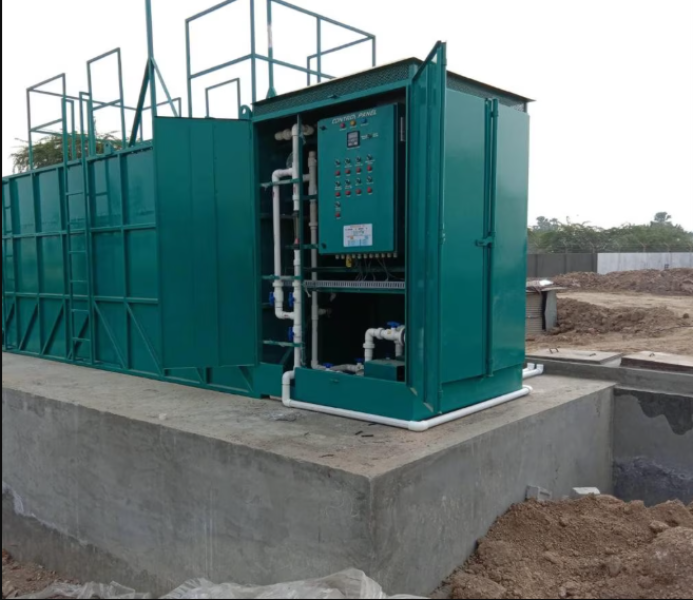
Membrane Filtration provides this additional treatment barrier by passing water through specially designed semi-permeable membranes.
SK Enterprises provides water-treatment solutions in Nagpur where membrane-based technologies may be selected according to source-water characteristics and the required final quality.
How Does Membrane Filtration Work
A membrane acts as a selective barrier.
Water passes through the membrane while particular contaminants are retained according to the characteristics and pore structure of the selected membrane.
Different membrane technologies provide different degrees of separation.
This makes it important to identify the treatment objective before choosing equipment.
Where Can Membrane Systems Be Used
Membrane-based treatment has applications across several sectors.
These can include:
- Industrial process-water preparation
- Commercial water treatment
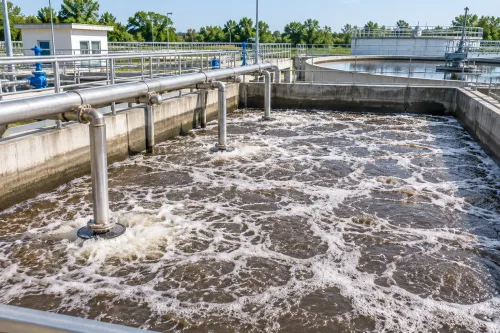
- Wastewater polishing
- Water recovery applications
- Institutional water systems
- Manufacturing processes
- Advanced filtration requirements
The technology selected for one application may not be appropriate for another.
Water analysis should therefore guide system selection.
Pretreatment Is Critical
One of the most important factors affecting membrane performance is the quality of water reaching the membrane.
Suspended particles, hardness-forming compounds, iron, oils, organic contaminants, and other substances can accumulate on membrane surfaces.
Appropriate pretreatment can reduce this burden.
Depending on water characteristics, pretreatment may involve sediment removal, conventional filtration, chemical conditioning, or other processes.
The objective is to protect the membrane and provide more stable operating conditions.
What Is Membrane Fouling
Fouling occurs when contaminants accumulate on the membrane surface or within its structure.
Possible signs include:
- Reduced water production
- Increasing operating pressure
- Changes in treated-water quality
- More frequent cleaning
- Increased energy requirements
Monitoring these changes helps operators identify performance deterioration early.
Maintenance Cannot Be Ignored
Membrane systems need scheduled inspection and cleaning.
Cleaning frequency depends on feed-water quality, operating conditions, membrane type, and pretreatment effectiveness.
Operators should maintain records of pressure, flow, water quality, and cleaning cycles.
These records can help identify gradual performance changes before they become serious.
Is Membrane Technology Necessary for Every Project
No.
Using advanced technology where conventional treatment can already meet the required quality may unnecessarily increase investment and maintenance requirements.
The decision should be based on source-water analysis, required treated-water quality, flow, operating capability, and lifecycle cost.
For customers in Nagpur and other parts of Maharashtra, SK Enterprises evaluates water-treatment requirements before recommending appropriate technologies.
Effective Membrane Filtration is not simply about installing a membrane unit. Successful operation depends on selecting the right membrane, preparing the incoming water correctly, monitoring performance, and maintaining the system according to actual operating conditions.
When these elements are considered together, membrane technology can provide a valuable treatment barrier for applications requiring more controlled water quality.